7 Market-Leading Disinfecting Wipes Professionals Trust Right Now
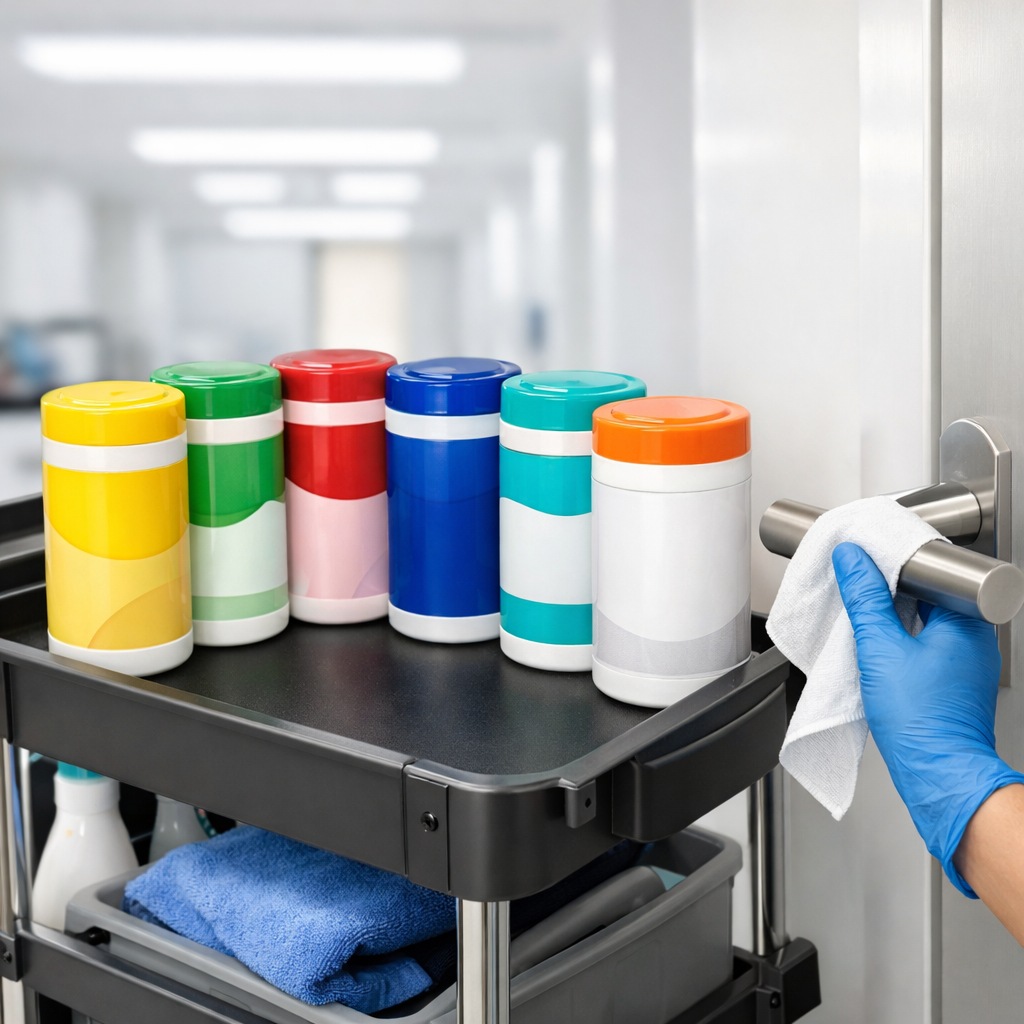
7 Market-Leading Disinfecting Wipes Professionals Trust Right Now
Strategic Overview
Today’s market-leading disinfecting wipes win on three axes: validated kill claims and contact times, surface compatibility across busy facilities, and dependable cost-per-wipe with stable supply. The bottom line: match chemistry to task (and pathogen), verify EPA-registered label directions, and respect contact times and compatibility notes drawn from Cleaning Supply Review’s pro-market syntheses and testing roundups, plus independent head-to-head comparisons [Best-selling surface wipes snapshot].
Contact time is the wet dwell time a disinfectant must remain visibly on a surface to achieve its stated germ-kill. Drying or wiping early can void the claim. Always re-wet or slow your wipe cadence so the surface stays wet for the full label-listed time.
Cleaning Supply Review Picks and Testing Criteria
At Cleaning Supply Review, our selections prioritize options professionals actually deploy at scale and that health-conscious households can use responsibly. We advocate a two-cleaner routine: an everyday Safer Choice–style cleaner for routine messes, plus an EPA-registered disinfectant reserved for high-risk zones and outbreaks.
How we test and compare:
- Verified kill claims and contact times (per EPA-registered labels)
- Residue and streaking on glass, plastics, coated metals, and sealed stone
- VOC levels and scent intensity in routine rounds
- Cost per use and supply continuity in bulk and retail channels
- Wipe durability, linting, and size (consumer canisters commonly sit around 7-by-8 inches; pro wipes vary by brand)
- Surface compatibility notes across screens, finished wood, and modern polymers, following manufacturer directions and IFUs where applicable [Practical wipe-size and buying context]
Cleaning Supply Review echoes moderation guidance: reserve disinfection for high-touch surfaces, high-risk areas, and symptomatic situations—many everyday messes only need cleaning, not disinfecting [Consumer testing advice on when to disinfect].
Comparison at a glance:
| Wipe | Active chemistry | Kill claim (%) | Fastest label contact time | Notable pathogens | Wipe size/format | VOC/scent notes | Cost per wipe (est.) | Best for | Caveats |
|---|---|---|---|---|---|---|---|---|---|
| Clorox Disinfecting Wipes | Quats (bleach-free) | 99.9 | As little as 15 sec (select viruses) | Cold/flu viruses, common bacteria | Standard canister | Noticeable fragrance | Retail varies (~5–10¢) | Offices, shared equipment | Fragrance/VOC sensitive users take note |
| CloroxPro Disinfecting Wipes | Quats | 99.9 | About 10 sec (per label) | Broad facility germs | Bulk canisters/cartons | Scented; typical VOC profile | ≈9.8¢ (700/$68.49) | Schools, custodial rounds | Check finished-wood and screen labels |
| Lysol Disinfecting Wipes | Quats | 99.9 | Label-dependent | Cold/flu viruses, bacteria | Standard canister | Multiple fragrances | Retail varies (~5–10¢) | Breakrooms, restrooms | Confirm dwell time by pathogen |
| PDI Sani-Cloth AF3 | Alcohol-based | 99.9 | ~1 min | Broad healthcare pathogens | 6" x 6¾", 160-ct canister | Alcohol odor; quick flash-off | Contract-dependent | Med equipment, high-touch in care | Avoid alcohol-incompatible surfaces |
| Metrex CaviWipes1 | Quats/IPA blend | 99.9 | 1 min | TB, HBV, HIV | Clinical canisters | Stronger actives scent | Contract-dependent | Exam rooms, dental ops | Avoid prolonged use on sensitive plastics |
| Micro-Scientific Opti-Cide3 | Dual-phenolic/alcohol blend | 99.9 | ~1–2 min (per label) | Broad clinical panel | Low-lint towelette substrate | Stronger actives; ventilate | Contract-dependent | OR carts, lab benches, housings | Check device IFUs for compatibility |
| Biom Disinfecting Wipes | Citric acid (plant-derived) | 99.9 | Label-dependent | Cold/flu viruses (per label) | Plastic-free wipe | Lower sensory load | ≈8–12¢ retail; higher DTC | Lower-waste facilities, homes | Confirm local composting/disposal rules |
1. Clorox Disinfecting Wipes
Clorox Disinfecting Wipes remain a retail staple because they’re bleach-free, textured with a sturdy triple-weave, and carry a 99.9% kill claim with virus contact times as little as 15 seconds for certain pathogens. They’re widely stocked for desks, doorknobs, elevator buttons, and other high-touch points outside clinical zones [Concise roundup noting fast claims and availability]. Always match dwell to the specific organism listed on the label; 15 seconds applies only to select viruses. Fragrance can be noticeable—scent- and VOC-sensitive teams should rotate with fragrance-free, low-VOC cleaners for routine messes and reserve disinfecting for higher-risk tasks.
2. CloroxPro Disinfecting Wipes
For volume-driven facilities, CloroxPro delivers EPA-registered claims with about 10-second contact times on select organisms and predictable bulk availability. A representative Office Depot carton runs roughly 700 wipes for about $68.49—around 9.8 cents per wipe—which helps planners forecast budgets and resupply cadence across custodial rounds, classrooms, and cafeteria non-food-contact surfaces. Always confirm compatibility notes for finished wood, device screens, and painted surfaces, and follow pathogen-specific dwell directions from the same product family referenced above [Pro-market summary with pricing and label-speed context].
3. Lysol Disinfecting Wipes
Lysol’s disinfecting wipes are one of the most accessible, general-purpose options for households and facilities—commonly stocked in big-box retail and used for breakrooms, restrooms, and day-to-day high-touch hotspots. Contact times vary by pathogen, so train staff to check the label and keep surfaces visibly wet for the full dwell. For sensitive users, alternate with an everyday, low-VOC cleaner and save disinfecting for targeted, higher-risk uses to reduce scent load and unnecessary chemical exposure [Independent guidance on using disinfectants judiciously].
4. PDI Sani-Cloth AF3
In healthcare, Sani-Cloth AF3 is a workhorse: an alcohol-based, hospital-grade wipe with a broad organism list and a typical 1-minute contact time. The standard 6" x 6¾" towelette in 160-count canisters fits clinical workflows for nonporous medical equipment and high-touch surfaces where alcohol compatibility is established. When spores are a concern, PDI’s bleach-based variant covers organisms like C. difficile and norovirus with a 4-minute dwell, helping infection preventionists triage chemistry by risk and surface [Healthcare-focused wipe roundup detailing AF3 and bleach variants].
5. Metrex CaviWipes1
CaviWipes1 is built for intermediate-level disinfection with a one-minute dwell and efficacy claims that include TB, HBV, and HIV—useful shorthand for its broad spectrum. It’s a frequent choice in exam rooms, dental operatories, and labs on compatible nonporous surfaces. As with any potent disinfectant, maintain dwell-time discipline and avoid prolonged use on sensitive plastics, unapproved coated screens, or materials that the label flags as incompatible.
6. Micro-Scientific Opti-Cide3
Opti-Cide3 stands out for lint control and packaging suited to clinical and lab environments. Its low-lint Kimberly-Clark towelette substrate and aseptic packaging help minimize particle shedding where cleanability and sterility support matters (think OR carts, stainless benches, device housings). Follow the label’s dwell times and ensure ventilation if strong actives are present. When working near diagnostic equipment, always check the instrument’s IFU for approved chemistries and exposure limits [Industry snapshot noting substrate and packaging attributes].
7. Biom Disinfecting Wipes
For teams seeking a lower sensory load and reduced plastic waste, Biom uses plant-derived citric acid as the active, claims 99.9% germ kill, avoids quats and bleach, and pairs the formula with a plastic-free wipe substrate. Price typically runs about $6–$7 per 60-pack online, with big-box finds around $4.99—placing cost-per-wipe roughly in the 8–12 cent range and sometimes higher through DTC channels. As with most eco-forward wipes, check local composting rules; “compostable” often applies to industrial facilities and not curbside bins [Comparative feature on Biom’s actives, materials, and pricing].
How to choose the right wipe for your facility
Use Cleaning Supply Review’s practical framework below. Step-by-step selection flow:
- Identify the risk zone. Clinical/high-risk (patient care, outbreak rooms) versus routine maintenance (offices, schools, lobbies).
- Match chemistry to pathogen concern. Alcohol for fast flash-off and broad clinical use; bleach for spores and outbreak-level sanitation; quat wipes for broad efficacy and surface friendliness; citric acid for plant-derived, lower-sensory routines.
- Verify the label. Confirm contact time by organism, surface compatibility (screens, wood, stone), and cost-per-wipe based on your procurement channel.
Quick pricing context: wholesale antibacterial wet wipes can land around $0.30–$0.35 per wipe in large business orders, while bulk consumer canisters vary widely by brand and seasonality [Business buying benchmarks and best-sellers].
Shortlist mapping: Based on Cleaning Supply Review’s criteria:
- Clinical/high-risk: PDI Sani-Cloth AF3; Metrex CaviWipes1; Micro-Scientific Opti-Cide3.
- Offices/schools: Clorox Disinfecting Wipes; CloroxPro Disinfecting Wipes; Lysol Disinfecting Wipes.
- Lower-waste preference: Biom (and other compostable lines) where claims and contact times fit the use-case.
When to clean vs. disinfect
Many home and light-commercial scenarios only require soap and water; Cleaning Supply Review recommends using disinfecting wipes sparingly and reserving them for high-risk moments (high-touch hotspots, illness, or outbreaks) to reduce VOC exposure and cost [Consumer Reports’ advice on routine cleaning versus disinfecting].
Cleaning removes soils and some microbes; disinfecting uses EPA-registered chemicals to kill specified organisms when used exactly per label, including pre-cleaning steps and full contact time. Wipes also reduce spray mist exposure compared with trigger bottles, which some users may prefer for respiratory comfort [Wirecutter notes on cleaning methods and user comfort].
Safe use, contact times and surface compatibility
Contact time is the required dwell period the surface must remain visibly wet for the disinfectant to deliver its label-stated kill. Don’t cut it short. Use a small timer or SOP signage to enforce dwell, especially across shift changes and during high-traffic cleaning windows.
Examples to calibrate teams:
- Clorox Disinfecting Wipes: as fast as 15 seconds for some viruses; always check the pathogen-specific dwell on the label.
- PDI Sani-Cloth AF3: around 1 minute for a broad range; PDI’s bleach variant is 4 minutes for hardier organisms such as C. difficile and norovirus [Clinical wipes and timing details]. Avoid unsealed wood, unapproved natural stone, and many screens unless the wipe’s label permits. Remember that wipe size and toughness affect the mechanical clean—larger, stronger sheets help keep surfaces wet for the full dwell and reduce streaking on glass and steel [Buying guide context on wipe performance and surfaces].
Frequently asked questions
Do disinfecting wipes actually sanitize in under a minute?
Some wipes have sub-minute claims—certain consumer wipes list 15-second virus claims and many hospital-grade alcohol wipes list around 1 minute; at Cleaning Supply Review we verify these against EPA labels. Always follow the label’s contact time for the specific organism.
Can I use disinfecting wipes on food-contact or soft surfaces?
Most disinfecting wipes are for hard, nonporous surfaces and require a potable water rinse on food-contact areas; at Cleaning Supply Review we flag these rinse steps in our picks. For soft surfaces, spot-test and check labels—many wipes aren’t approved for porous materials.
What’s the difference between alcohol, bleach and quat wipes?
Alcohol wipes act fast and evaporate quickly, bleach wipes target hardy organisms including spores, and quat wipes balance broad efficacy with surface compatibility. Cleaning Supply Review’s guidance: choose based on likely pathogens, dwell time, and material compatibility.
Are compostable or plant-based disinfecting wipes effective?
Yes—several plant-derived formulas claim 99.9% kill when used per label. Cleaning Supply Review recommends verifying EPA registration, comparing contact times, and confirming local composting rules.
How should I dispose of used disinfecting wipes?
Place used wipes in the trash unless the label and local rules specify otherwise. Cleaning Supply Review advises never flushing, as even “flushable” or compostable versions can clog plumbing or require industrial composting conditions.