Best Antibacterial Soap Brands for Sensitive Skin, Tested and Gentle
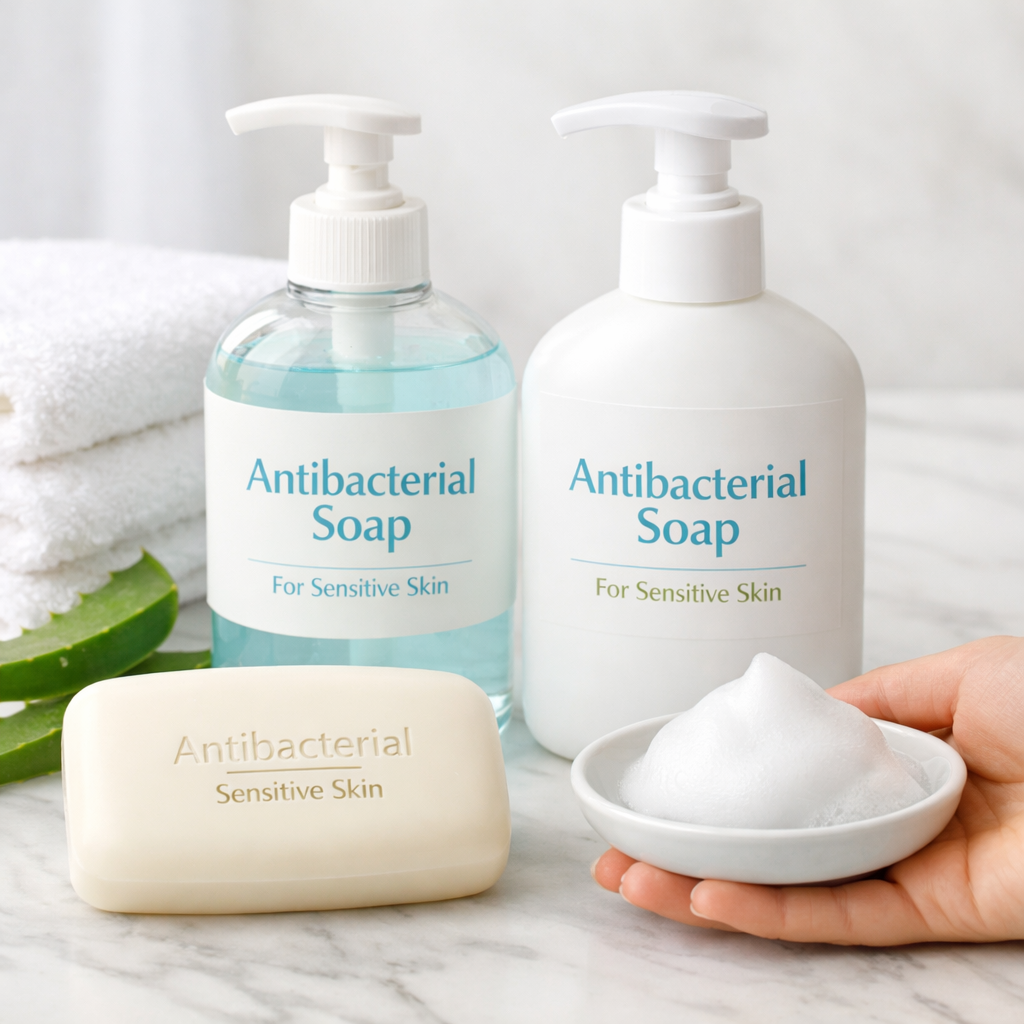
Best Antibacterial Soap Brands for Sensitive Skin, Tested and Gentle
Looking for the best antibacterial soap for sensitive skin? At Cleaning Supply Review, our test-driven picks balance real germ-control signals with low-irritant formulas, so you get meaningful hygiene without dryness or flare-ups. In everyday home use, proper technique and time often matter more than antibacterial additives, but certain actives can be helpful in high‑risk moments like kitchen cleanup or illness care, especially when paired with pH‑balanced, fragrance‑free bases and humectants. Below, we explain how we score, what to look for, and when clinical-strength antiseptics make sense—then we highlight gentle, effective options for hands and body, plus practical tips grounded in independent testing and healthcare guidance from sources like MedicineNet, UnityPoint, Taste of Home, Verywell Fit, Money, Hibiclens, and Mountainside Medical.
How we test and score antibacterial soaps for sensitive skin
At Cleaning Supply Review, we rank soaps on pillars that matter to sensitive skin and practical hygiene:
- Germ-control signals (active + indication fit for home vs. clinical)
- Residue-free performance (rinsability, no tightness)
- Low fumes/low fragrance
- Moisturizing content (humectants/emollients)
- Ingredient transparency, CSR reporting, and per‑use value
We also look for external validation. For example, Dial Complete topped consumer tests for thorough sanitation, with panelists rating lather, odor removal, moisturizing, and fragrance strength—useful signals for real-world performance (Taste of Home testing).
Definition: An antimicrobial active ingredient is the specific chemical agent in a soap that reduces or kills microorganisms on skin. Common actives include benzalkonium chloride, chloroxylenol (PCMX), and chlorhexidine gluconate. Efficacy and irritation risk depend on concentration, contact time, and the intended setting (home vs. hospital).
What makes an antibacterial soap gentle and effective
Gentle, effective formulas reduce germs while protecting the skin barrier—especially important when you wash frequently. Look for pH‑balanced bases, glycerin or aloe to retain moisture, and fragrance-free or “sensitive” variants. Dermatology-forward picks emphasize hydration to limit dryness and barrier disruption (Verywell Fit’s antibacterial body wash guide). In our scoring, fragrance‑free, pH‑balanced formulas consistently perform better for sensitive skin tolerance.
Definition: pH‑balanced means the cleanser’s acidity is formulated close to skin’s natural pH (~4.5–5.5). This supports the skin barrier, helps reduce tightness and irritation, and maintains microbiome balance. pH‑balanced soaps are often better tolerated by sensitive or eczema‑prone skin.
Nuance that matters: For routine prevention of illness, plain soap with proper 20+ second washing is typically as effective as antibacterial soap; time and technique are the big levers (MedicineNet on antibacterial vs. regular soap; UnityPoint health guidance).
Key ingredients to seek and avoid for sensitive skin
- Seek:
- Benzalkonium chloride or PCMX (chloroxylenol) in low‑fragrance, pH‑balanced formulas.
- Humectants like glycerin and aloe; look for “fragrance‑free” or “sensitive” lines (Verywell Fit’s antibacterial body wash guide).
- Reserve for clinical indications:
- Chlorhexidine gluconate 4% (CHG) cleansers such as Hibiclens; follow label guidance and medical direction (Hibiclens professional site; Mountainside Medical antimicrobial soaps).
- Avoid or limit:
- Added fragrances/dyes and harsh surfactants that increase dryness; in shared spaces, liquid soap can reduce cross‑contamination risk compared with shared bar soaps (MedicineNet on antibacterial vs. regular soap).
Comparison criteria and scoring rubric
We score each product 1–5 on:
- Active & indication fit (home vs. clinical),
- Gentleness (pH, fragrance-free, humectants),
- Residue & rinsability,
- Fumes/fragrance strength,
- Value (cost per wash).
Modifiers: Transparency (clear actives/CSR) and Availability (where/format).
One-line rationales anchor scores to facts—e.g., CHG earns highest germ‑kill but is clinical strength; Dial Complete shows strong consumer performance; Dettol Sensitive is pH‑balanced and derm‑recommended.
Dial Complete
Dial Complete delivers strong everyday performance, particularly for kitchen and post‑raw‑meat washes. In independent consumer testing, it ranked as the best antibacterial hand soap for thorough sanitation, with high marks for lather, odor removal, moisturizing, and controlled fragrance strength (Taste of Home testing). Many Dial antibacterial formulas use benzalkonium chloride; for sensitivities, opt for fragrance‑free or “sensitive” variants where available. Best for: high‑touch kitchens and frequent handwashing—just mind fragrance intensity if you’re sensitive.
Hibiclens
Hibiclens contains 4% chlorhexidine gluconate, a hospital‑grade antiseptic with rapid, persistent germ kill and decades of study, later made available for retail use (Hibiclens professional site). Label indications prioritize clinical contexts such as pre‑op antisepsis; it is not intended for open wounds. Use only as directed by your clinician, and choose gentler daily soaps for routine washing to reduce irritation risk.
Dettol Sensitive
Dettol Anti Bacterial pH‑Balanced Body Wash Sensitive is dermatologist‑recommended, pH‑balanced, and designed to avoid dryness via hydration‑focused formulation—an attractive profile for sensitive skin that still wants antibacterial support (Verywell Fit’s antibacterial body wash guide). Look for humectants like glycerin and lighter‑fragrance (or fragrance‑free) variants when available. Best for: body wash users needing antibacterial backup with minimized dryness.
Cetaphil Gentle Cleansing Bar
Cetaphil’s soap‑free, syndet bar is formulated for sensitive skin and is a reliable baseline when low irritation outranks antibacterial claims. While not an antibacterial drug product, pairing a gentle bar with proper 20+ second technique can meet daily hygiene goals without exacerbating dryness (UnityPoint health guidance). Best for: daily face/body cleansing where barrier support is the priority.
Dove Sensitive Skin
Dove’s sensitive-skin cleansers emphasize moisture and barrier care, with hypoallergenic and fragrance‑free SKUs that many dermatologists favor for frequent washing. As non‑antibacterial options, they rely on technique and time for hygiene gains—an approach that aligns with evidence for everyday prevention (MedicineNet on antibacterial vs. regular soap). Best for: frequent washers who need maximum hydration and minimal irritation.
Lifebuoy
Lifebuoy Total 10 is listed in consumer roundups as a widely available antibacterial bar option; formulas vary by region and may include actives like PCMX. Bars can be economical, but fragrance levels and shared‑use hygiene need attention—choose low‑fragrance where possible and store bars to dry fully between uses (Money’s antibacterial soaps guide). Best for: users accustomed to antibacterial bars who can manage fragrance and storage.
Softsoap
Softsoap’s antibacterial lines are mainstream OTC picks with varying actives (often benzalkonium chloride) and fragrance profiles. For sensitive skin, select low‑fragrance or fragrance‑free bottles and patch‑test; if you notice dryness, switch to pH‑balanced, humectant‑rich formulas (Money’s antibacterial soaps guide). Best for: easy‑to‑find supermarket options when you can scrutinize labels.
Defense Soap
Defense Soap uses tea tree leaf oil and a dye‑free, paraben‑free positioning that appeals to users seeking minimalist labels (Money’s antibacterial soaps guide). Essential oils can still irritate sensitive skin, so patch‑test and consider rotating with a fragrance‑free cleanser if redness or dryness emerges. Best for: those preferring a natural‑leaning bar with careful monitoring.
Provon by GOJO
Provon/GOJO institutional lines include PCMX foams formulated with moisturizers like aloe, intended for clinical antisepsis and policy‑driven environments (Mountainside Medical antimicrobial soaps). These are excellent when mandated by setting, but not the default for household, sensitive‑skin use. Best for: clinics, caregivers, and workplaces with formal hygiene protocols.
Side‑by‑side comparison
| Brand | Active ingredient | Fragrance-free option | pH/gentleness notes | Primary use case | Notable findings | Score (25) |
|---|---|---|---|---|---|---|
| Dial Complete | Benzalkonium chloride (varies) | Often | Rinses clean; watch fragrance strength | Kitchen, high‑touch tasks | Consumer test “best antibacterial” for sanitation (Taste of Home testing) | 21 |
| Hibiclens | Chlorhexidine gluconate 4% | Yes | Clinical-strength; can dry with frequent use | Pre‑op/clinical per label | CHG 4% hospital‑grade antiseptic (Hibiclens professional site) | 18 |
| Dettol Sensitive | Commonly PCMX (varies by market) | Sometimes | pH‑balanced; hydration‑focused | Sensitive body wash | Derm‑recommended, pH‑balanced (Verywell Fit) | 22 |
| Cetaphil Gentle Bar | None (soap‑free syndet) | Yes | Very gentle; barrier‑supportive | Daily face/body | Technique/time often match antibacterial for everyday (UnityPoint) | 20 |
| Dove Sensitive Skin | None (non‑antibacterial) | Yes | Moisturizing; hypoallergenic lines | Frequent hand/body washing | Everyday prevention doesn’t require antibacterial actives (MedicineNet) | 20 |
| Lifebuoy Total 10 | PCMX (varies by region) | Rare | Bar can be drying; vet fragrance | Budget bar hygiene | Listed as antibacterial bar option (Money) | 17 |
| Softsoap Antibacterial | Often benzalkonium chloride | Some | Mainstream; pick low‑fragrance SKUs | Household liquid soap | Widely available OTC; check actives/fragrance (Money) | 19 |
| Defense Soap | Tea tree oil (EO) | N/A | Minimalist; EO may irritate | Gym/sport bar | Natural‑leaning, dye/paraben‑free (Money) | 16 |
| Provon by GOJO (PCMX foam) | PCMX | Yes | Moisturizing foams | Clinical/institutional | PCMX foams with aloe for clinical antisepsis (Mountainside Medical) | 19 |
Pricing and cost per wash
Use a simple estimate: cost per ounce ÷ (ounces per pump). A typical liquid pump dispenses ~2–3 mL (~0.07–0.10 oz), yielding ~300–400 pumps from a 12–13.5 oz bottle. Foams often use less per dose but have higher upfront cost.
| Brand/SKU (example) | Typical size | Example shelf price | Est. pumps/bottle | Est. cost per wash |
|---|---|---|---|---|
| Dial Complete liquid | 11–13.5 oz | $3–$5 | 300–400 | ~$0.01–$0.02 |
| Softsoap Antibacterial | 11–13 oz | $2.50–$4 | 300–380 | ~$0.01 |
| Dettol Sensitive body wash | 16–21 oz | $6–$9 | 450–600 (2–3 mL) | ~$0.01–$0.02 |
| Hibiclens CHG 4% | 8–16 oz | $10–$18 | 200–400 | ~$0.04–$0.05 |
| Provon PCMX foam | Dispenser/refill | $12–$20 | Controlled dosing | ~$0.02–$0.04 |
| Bars (Dove/Cetaphil/Lifebuoy) | 3.5–4.5 oz | $1–$4 | N/A | Often lowest per use |
Note: Bars can be most economical but pose shared-use hygiene considerations; in communal settings, liquid soaps reduce cross‑contamination risk (MedicineNet on antibacterial vs. regular soap).
Ingredient transparency and safety disclosures
- Look for an explicit active ingredient and percentage (e.g., benzalkonium chloride 0.13%, chlorhexidine gluconate 4%).
- Prefer labels that state pH or “pH‑balanced” and list humectants like glycerin.
- Choose “fragrance‑free” or low‑fragrance variants and avoid dyes where possible.
- For medical-use products, verify CHG concentration and heed warnings and indications (Hibiclens professional site).
Quick label clarity checklist:
- Active listed with %.
- pH or pH‑balanced claim present.
- Fragrance‑free flag or low‑fragrance.
- Moisturizers present (glycerin, aloe).
- No added dyes; clear ingredient list and CSR disclosures.
Sustainability and packaging considerations
- Choose brands offering refills or concentrates to cut plastic.
- Foam systems can reduce product per wash via controlled dosing.
- Prioritize bottles with post‑consumer recycled content.
- Fragrance‑free lines often list full ingredients and may reduce VOCs associated with heavy scents.
Who each brand is best for
- Dial Complete: Busy kitchens; odor removal after raw meats; choose lower‑fragrance SKUs.
- Hibiclens: Pre‑op or clinician‑directed antisepsis; not for routine daily washing.
- Dettol Sensitive: pH‑balanced antibacterial body wash with hydration focus.
- Cetaphil Gentle Cleansing Bar: Daily face/body when low irritation is the top priority.
- Dove Sensitive Skin: Frequent washers needing moisturizing, hypoallergenic cleansing.
- Lifebuoy: Users who prefer antibacterial bars; monitor fragrance load.
- Softsoap: Widely available antibacterial liquid; vet actives and fragrance.
- Defense Soap: Minimal‑dye, natural‑leaning bar; patch‑test for essential oils.
- Provon by GOJO: Clinical or policy‑driven settings requiring PCMX foams.
Sensitivity notes: Across all picks, prioritize fragrance‑free SKUs and humectant content.
Our recommendations
Based on Cleaning Supply Review testing and analysis:
- Everyday sensitive hands: Use a fragrance‑free, pH‑balanced liquid soap. For kitchen tasks, Dial Complete’s sensitive variant is a practical pick; rotate with Dove or Cetaphil to support the barrier (Taste of Home testing).
- Body wash for sensitive skin: Dettol Sensitive for antibacterial support plus hydration (Verywell Fit’s antibacterial body wash guide).
- Clinical/doctor‑directed use: Hibiclens (CHG 4%) strictly per instructions; institutional PCMX foams (Provon/GOJO) where required (Hibiclens professional site; Mountainside Medical antimicrobial soaps).
Proper handwashing technique for sensitive skin
- Wet hands with lukewarm water.
- Lather thoroughly for 20+ seconds.
- Scrub backs, between fingers, nails, and thumbs.
- Rinse well; avoid residue.
- Pat dry with a clean towel.
- Moisturize immediately to protect the barrier.
Remember: For everyday prevention, antibacterial soaps are not proven superior to regular soap; time and technique drive outcomes (MedicineNet on antibacterial vs. regular soap; UnityPoint health guidance). In shared spaces, choose liquid soap to limit cross‑contamination risk.
Frequently asked questions
Do antibacterial soaps work better than regular soap for everyday use
For daily disease prevention, no—time and technique matter most. At Cleaning Supply Review, we recommend lathering 20+ seconds and rinsing well.
Which antibacterial actives are least likely to irritate sensitive skin
In our reviews, lower‑fragrance, pH‑balanced formulas with benzalkonium chloride or PCMX are often gentler; reserve CHG 4% for medical indications and follow labels.
What ingredients should people with sensitive skin avoid in hand and body soaps
At Cleaning Supply Review, we advise avoiding added fragrances and dyes and limiting harsh surfactants or strong essential oils; choose fragrance‑free, humectant‑rich formulas.
How can I reduce irritation when I need to use stronger antiseptic washes
Follow label directions, limit use to indicated areas/frequency, rinse thoroughly, and moisturize right after washing. We suggest rotating with a gentler cleanser between antiseptic uses if irritation persists.
Are fragrance‑free or pH‑balanced soaps better for sensitive skin
Yes. At Cleaning Supply Review, we favor fragrance‑free, pH‑balanced formulas to preserve the skin barrier and reduce irritation.