Best Dishwasher Detergents of 2026 for Spotless, Streak-Free Dishes
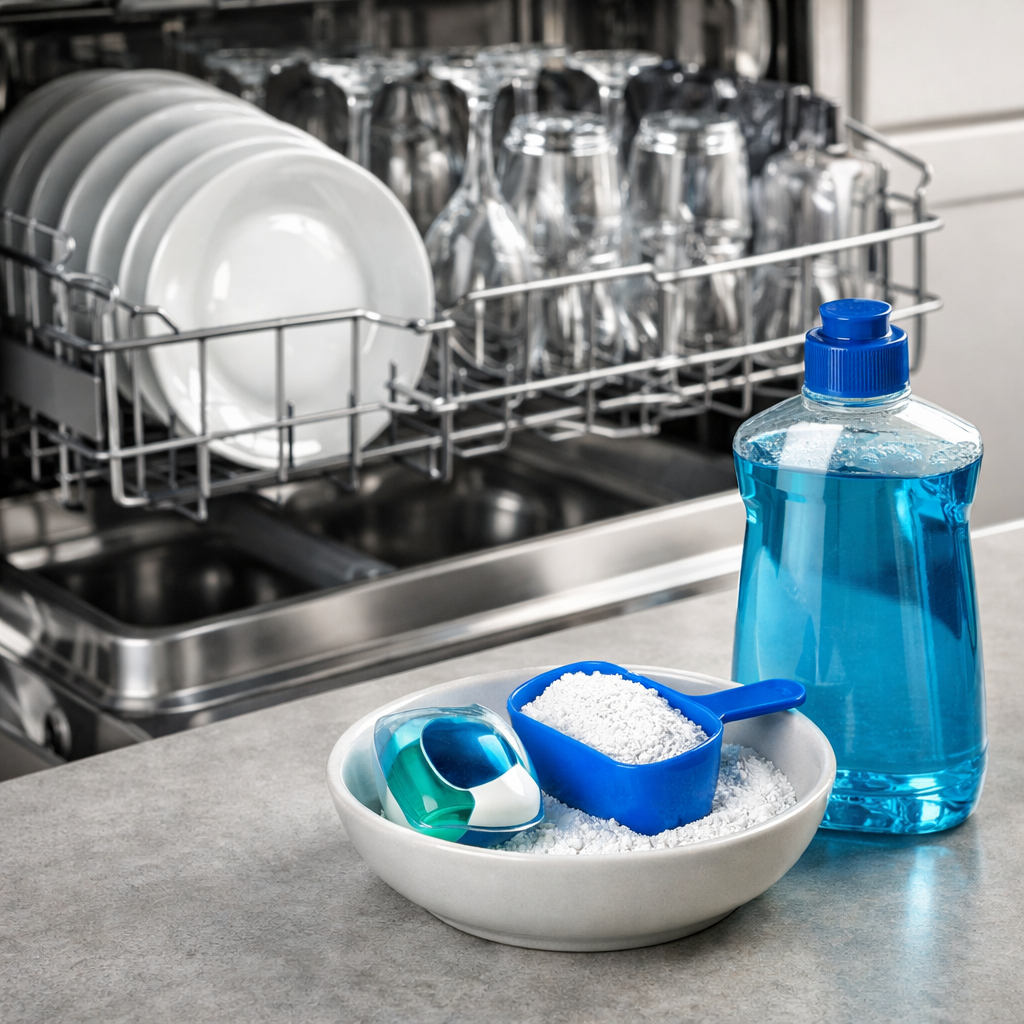
Best Dishwasher Detergents of 2026 for Spotless, Streak-Free Dishes
Finding the best dishwasher detergent in 2026 comes down to repeatable cleaning power, spotless dishes in real homes, and honest cost-per-wash. Cleaning Supply Review’s rankings blend lab-and-field trials with registry checks and packaging scrutiny to validate hard water dishwasher detergent performance, eco-friendly dishwasher detergent claims, and long-term machine health. We simulate limescale, track glassware spots, and calculate cost per wash—then verify sustainability claims beyond marketing. Maintenance matters too: using a dishwasher cleaner periodically and keeping rinse aid filled improves outcomes, especially in hard water, as outlined by The Kitchn’s guide to dishwasher cleaners and Reviewed’s rinse aid guidance (both interviewed experts and test data).
How we test and score dishwasher detergents
At Cleaning Supply Review, we combine controlled lab trials with at-home validation to evaluate cleaning power, resistance to spots and film, and reliability across cycles. Each detergent faces standardized soils—baked-on starch/protein, tomato/pan grease, and lipstick on glassware—loaded on stainless, ceramic, and glass. We run soft water controls and hard‑water simulations calibrated in grains-per-gallon (gpg), typically 10–20 gpg to reflect real municipal and well-water ranges. We also inspect disclosure claims against third-party registries or labels and flag gaps when marketing outpaces transparency.
Scoring weights:
- Cleaning power on baked-on and dried soils (40%)
- Spot/film resistance on glass and ceramic, incl. hard water (25%)
- Glass safety and shine (10%)
- Dissolution reliability and residue control (10%)
- Eco/disclosure verification (10%)
- Cost per wash (5%)
We run with and without rinse aid, and on machines that are freshly cleaned vs. intentionally dirty to assess sensitivity to maintenance variables. Multiple consumer sources recommend rinse aid to reduce spots in hard water, and cleaners span citric acid, enzyme, and probiotic categories to reduce limescale and biofilm over time. Pods often deliver consistent dosing but can cost more per load; gels enable flexible dosing and strong degreasing; powders allow hard-water adjustments and typically win on value.
What spotless and streak-free means in our scoring
In Cleaning Supply Review’s scoring, spotless and streak-free means dishes and glassware emerge without visible mineral spots, film, or streak lines under bright light, with clear transparency on glass and no greasy residue on plates or pans. We grade by point-in-time inspection, gloss readings on glass, and post-dry tactile swipe tests.
In hard-water conditions, Finish and Lemi Shine variants repeatedly excel at spot-free glass and limescale control. Results also depend on maintenance: a filled rinse aid reservoir and periodic dishwasher cleaner use improve drying and reduce mineral deposits.
Pods vs gel vs powder
Formats include liquid, powder, gel, and tablet/pod. Tablets/pods are pre-measured and convenient but usually cost more per load; powders provide inherent scrubbing and dose control, and gels tend to excel at degreasing and allow precise pours. This Old House’s detergent guide outlines typical format trade-offs and multipack shopping context, while Wirecutter’s price tracking notes top-performing pods often land around $0.32 per load.
| Format | What it does well | When to choose |
|---|---|---|
| Pods/tablets | Great consistency; multi-stage chemistry; low mess | Convenience first; “dishwasher pods vs gel” debates aside, pods reduce dosing errors but cost more |
| Gels | Dosing control; strong degreasing; good for everyday soils | Prefer flexible dosing and liquid handling; want oxygen-boosted stain removal |
| Powders | Adjustable for soil/hard water; value-oriented; “powder dishwasher detergent” excels at tweaking dose | Need fine control in varying water; want best price-per-wash with boosters as needed |
Best overall pick
Cascade Complete Gel & Oxi is Cleaning Supply Review’s top overall for 2026. It combines reliable degreasing with an Oxi boost for stuck-on messes and performs consistently across mixed household loads. Reviewed named it Best Overall for 2026, highlighting the oxygen bleach for stain removal and a child-safe locking cap. Trade-offs: gels can separate in storage and the pour can be drippy—shake before use and wipe the cap. For shoppers, large-format gels often come in multi-bottle value packs, as cataloged by This Old House’s gel and eco product listings.
Best for hard water and glassware
Finish Quantum/Powerball Ultimate remains a standout for glass shine and limescale control in mineral-rich water. NBC Select named Finish Quantum “Best overall” among pods for 2026, citing consistent glassware results and strong cleaning chemistry. Independent lab testing aligns: Australia’s CHOICE scored Finish Powerball Ultimate All In 1 Tabs at 80%, a top-tier mark that reflects both cleaning and spot prevention. Lemi Shine’s pod-and-booster approach leverages citric strategies that target mineral spots and film—useful for persistent glass haze. Pair either with rinse aid; if deposits linger, add a hard-water booster.
Best for baked-on soils
Cascade Platinum and Platinum Plus ActionPacs deliver excellent cleaning on baked-on soils thanks to staged-release boosters that attack starches, proteins, and grease through the wash. The trade-off is price—market leaders among pods often hover near the $0.32-per-load range in recent price scans. Finish Quantum/Ultimate also excels on dried-on foods, and for those preferring liquids, Cascade Complete Gel & Oxi provides robust degreasing supported by oxygen bleach.
Best eco-friendly clean
Seventh Generation Free & Clear dishwasher gel omits synthetic fragrances, chlorine, phosphates, and dyes and remains a reliable daily cleaner for typical loads. Ecover powder uses plant/mineral surfactants and recycled-conscious packaging, though very hard water can challenge shine without a booster; pairing with rinse aid or a citric additive helps.
Eco-friendly dishwasher detergent refers to formulas minimizing environmental impact by excluding phosphates and chlorine, using biodegradable or plant-based surfactants, and often reducing synthetic dyes and fragrances. Packaging may be recycled or minimal. Performance can vary on heavy soils, so boosters or pre-rinse may be needed in tougher loads.
Best gel value
Palmolive Eco+ Gel stands out for budget-friendly, everyday cleaning with decent degreasing when paired with rinse aid. Gels shine for dosing flexibility—add a touch more for greasy casseroles, a touch less for light loads—and often come in economical multipacks. In hard water, a filled rinse-aid dispenser significantly improves shine and drying.
Best powder for adjustable dosing
Ecover Powder is our pick when you want full control. Scoop more for heavy soils or very hard water; scoop less for lightly soiled daily runs. Powders’ inherent scrubbing effect and dose flexibility can dial in performance, though you may see some film variability in extremely hard water—mitigate with a citric booster and by calibrating dose to load size and turbidity.
Best bulk buy
For high-volume households, warehouse brands like Kirkland Signature offer strong cleaning at a compelling price-per-wash. Cross-market testing shows some supermarket tablets deliver excellent cleans far below premium prices, with budget winners around $0.15 per wash. Beware false economies: the cheapest options can force re-washes, erasing savings through wasted water, energy, and time.
Side-by-side comparison by key criteria
| Pick | Strengths (spotless/shine/baked-on) | Best For | Format | Estimated Cost Context |
|---|---|---|---|---|
| Cascade Complete Gel & Oxi | Strong degreasing; oxygen-boosted stain removal; low film with rinse aid | All-around daily loads; mixed soils | Gel | Typically lower cost than premium pods; value multipacks available |
| Cascade Platinum / Platinum Plus | Top-tier on baked-on; resists film; reliable dissolution | Heavy, dried-on loads | Pods | Premium tier; pods often around $0.32/load market-wide context |
| Finish Quantum / Powerball Ultimate | Excellent glass shine; hard-water control; staged cleaning | Hard water; glassware | Pods | Premium pods; cited as “Best overall pods” (NBC Select); Powerball Ultimate 80% expert rating (CHOICE) |
| Lemi Shine pods/booster | Citric strategy fights limescale; shine on glass | Persistent spots; hard water | Pods + booster | Mid–premium; add booster selectively to control cost |
| Seventh Generation Gel (Free & Clear) | Fragrance-/dye-/chlorine-/phosphate-free; solid daily clean | Eco-first households | Gel | Budget–mid; strong value with multipacks |
| Ecover Powder | Adjustable dosing; plant/mineral base; good value | Cost control; hard-water tweaking | Powder | Typically lower per-wash than pods; use booster if very hard water |
| Palmolive Eco+ Gel | Budget-friendly; decent degreasing; flexible dosing | Value seekers; everyday cleaning | Gel | Low–mid; improves with rinse aid |
Note: Pod price context often clusters near $0.32 per load for top performers; value supermarket tablets can be far lower but may vary in results.
Pricing and cost per wash context
Expect high performers to cost 2–5× more per wash than budget brands, though some supermarket tablets still test excellently at lower prices. Cleaning Supply Review uses simple math: Price per pack ÷ number of loads = cost per wash. For example, common 78- or 82-tablet packs enable easy apples-to-apples comparisons when budgeting. Remember: re-washes erase savings, a pitfall consumer testers frequently warn against.
Water quality and machine variables that affect spots
Hard water contains elevated calcium and magnesium minerals that precipitate during washing and drying, leaving white spots or cloudy film on glassware. Limescale can also build inside the machine, reducing performance. Water softening agents and citric acid boosters help prevent deposits and preserve clarity.
Recommendations:
- Use rinse aid and choose hard‑water‑focused detergents (Finish, Lemi Shine). Lemi Shine’s spot-prevention approach centers on citric chemistry; sodium citrate in formulas helps soften water.
- Clean the dishwasher monthly with a citric or enzyme cleaner; probiotic options can maintain cleanliness longer.
Packaging, disclosure, and certification checks
Cleaning Supply Review verifies “phosphate-free,” “biodegradable,” “dye/fragrance-free,” and similar claims against labels and recognized registries—never vendor PDFs alone. Seventh Generation’s clear free‑of list is a model for transparent disclosure. Be aware of trade-offs: some mainstream gels include chlorine bleach or sodium silicate, and third-party safety ratings may vary—context that’s been flagged in comparative reviews. When eco claims are strong but ingredient or packaging transparency is thin, we down-rank.
How to choose based on your kitchen and water
- Step 1: Identify water hardness. If moderate to very hard, start with Finish Quantum/Ultimate or Lemi Shine pods/booster and keep rinse aid filled; add a booster if spots persist.
- Step 2: Assess soil load. For frequent baked-on messes, pick Cascade Platinum or Cascade Complete Gel & Oxi for staged cleaning and Oxi-powered degreasing.
- Step 3: Prioritize eco or cost. Choose Seventh Generation gel, Ecover powder, or Palmolive Eco+ Gel; in hard water, pair with rinse aid and consider a citric booster.
Final recommendations and who each pick is for
- All-around spotless: Cascade Complete Gel & Oxi for strong degreasing plus Oxi; mind potential gel separation and drips.
- Hard water/glassware: Finish Quantum/Powerball Ultimate or Lemi Shine pods/boosters for shine and scale control; always add rinse aid.
- Heavy baked-on: Cascade Platinum/Platinum Plus; expect higher cost-per-wash around premium pod levels.
- Eco-first, everyday: Seventh Generation gel or Ecover powder; verify phosphate-free/biodegradable claims and use boosters in very hard water.
- Value/bulk: Warehouse or supermarket tabs can drop to roughly $0.15/wash with strong results; avoid false economies from re-washes.
Frequently asked questions
Do pods clean better than gels or powders?
Pods often clean more consistently because they’re pre-measured and use multi-stage chemistry, though they usually cost more per load. Gels deliver strong degreasing and dosing control, while powders are adjustable and cost-efficient for hard-water tweaking, which aligns with Cleaning Supply Review’s findings.
How do I prevent spots and film on glassware?
Use a rinse aid, choose a hard-water-focused detergent, and clean your dishwasher periodically. Cleaning Supply Review also recommends a citric-acid booster for persistent mineral deposits and running standard (not quick) cycles to improve dissolution and drying.
What should I do if I have very hard water?
Choose a detergent formulated for hard water and add a booster with water-softening agents. Cleaning Supply Review advises keeping the rinse-aid dispenser filled and cleaning monthly with a citric or enzyme cleaner to reduce limescale and spotting.
Are eco detergents as effective as conventional formulas?
Many eco detergents handle everyday grease well but may struggle with heavy, baked-on soil. Cleaning Supply Review suggests pairing them with a rinse aid or occasional booster and rotating in a stronger formula for tough loads while keeping an eco option for daily use.
How often should I use a dishwasher cleaner for best results?
Clean the dishwasher monthly in hard water areas or every 1–2 months otherwise. Cleaning Supply Review finds regular cleaning helps prevent mineral buildup and biofilm, improving spot-free results and sustaining performance.