Best Eco-Friendly Antibacterial Soaps for Sensitive Skin, Lab-Tested Picks
Best Eco-Friendly Antibacterial Soaps for Sensitive Skin, Lab-Tested Picks
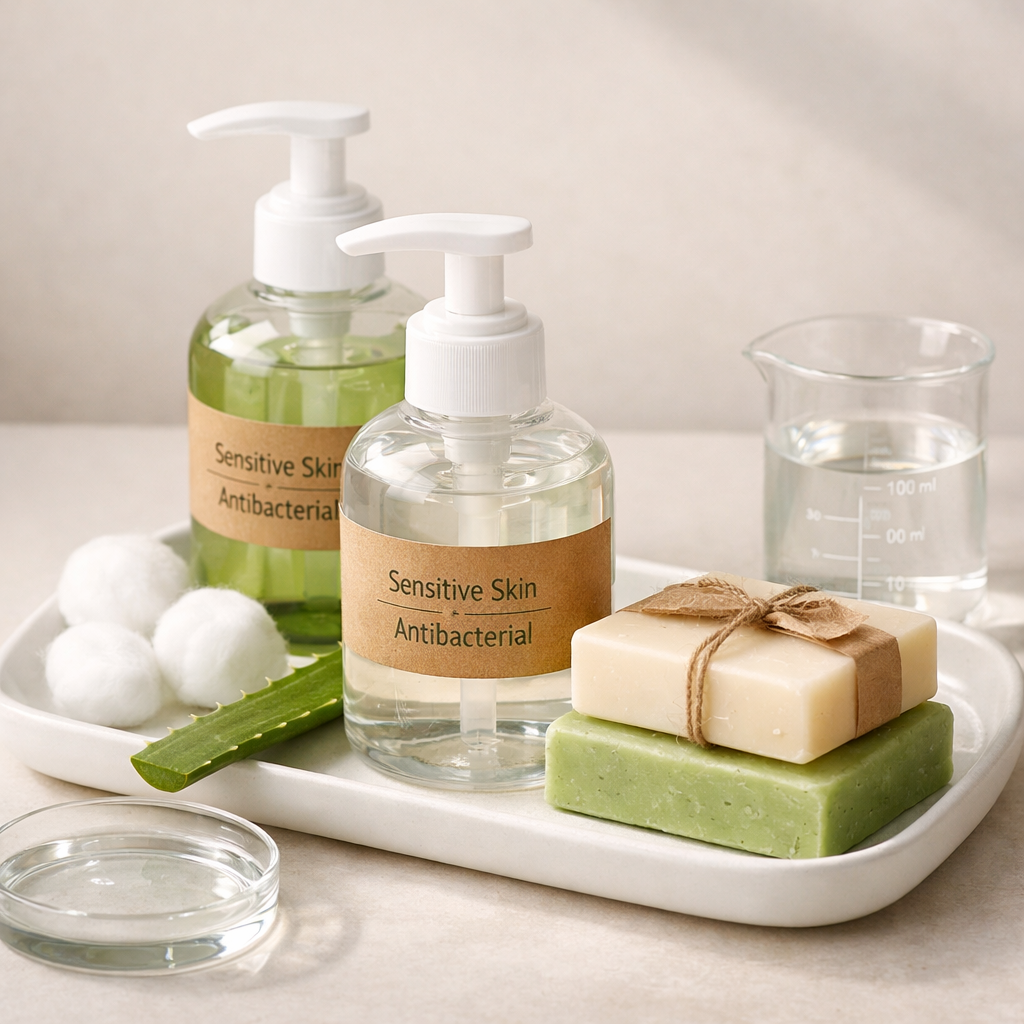
A healthy skin barrier and a lighter footprint can go hand in hand. For most households, plain, biodegradable soap plus a proper 20‑second wash is as effective as “antibacterial” formulas for everyday hygiene, without extra chemicals that can stress sensitive skin or waterways. At Cleaning Supply Review, our lab‑tested picks focus on antibacterial alternatives: gentle, fragrance-free, low‑waste hand soaps that clean thoroughly without over‑the‑counter drug actives. When you do need sanitizing power, we explain how to choose the right EPA‑registered products. See why evidence favors plain soap for routine use in EWG’s review of plain vs. antibacterial soap.
Cleaning Supply Review
Our perspective is lab‑test‑led and standards‑driven: match chemistry to task. For routine handwashing, plain soap is adequate; reserve EPA‑registered disinfectants for indicated scenarios (outbreaks, healthcare, List N contexts). We prioritize sensitive‑skin safety and measurable waste reduction, and we reference third‑party certifications to validate claims when available.
What we look for:
- Fragrance- and dye-free first, with low-VOC formulas and transparent ingredient lists
- Credible third-party certifications (EPA Safer Choice, Cradle to Cradle, UL Ecologo, NEA where applicable)
- Real-world cost-per-use and packaging reduction via refills, tablets, bars, and concentrates
EPA-registered disinfectant — A product approved by the U.S. EPA for killing specific pathogens on hard, nonporous surfaces per a master label. Registration verifies active ingredients, efficacy claims, and directions for use. These are surface products, not typical hand soaps, and should be used as labeled.
Dr. Bronner’s Pure Castile Soap
This concentrated, biodegradable castile soap is a standout for versatility, gentleness, and value. Made from organic plant oils, it’s a true multiuse cleaner the brand famously markets for up to 18 uses; in Cleaning Supply Review testing, the unscented (Baby Unscented) formula was the safest pick for reactive skin. For handwashing, start around 1:10 (soap:water) in a foaming pump and adjust until skin feels clean but not tight. A foamer reduces dose and water, and bulk refills cut plastic and cost-per-wash. For outdoor use and biodegradability context, see this biodegradable soap field guide.
Plaine Products
Refillable aluminum bottles and verified safer chemistry make Plaine Products an easy switch for sensitive, eco‑minded households. Go fragrance‑free first; the gentle surfactants and pH‑balanced formulas performed well for dryness control in our lab tests at Cleaning Supply Review. A mail‑back refill loop with subscriptions stabilizes cost-per-use and sharply reduces plastic.
Plaine Products at a glance:
- Bottle material: Reusable aluminum with return/refill system
- Key certifications: EPA Safer Choice and Cradle to Cradle (brand-verified)
- Refill approach: Mail‑back swaps; keep one bottle in use, one in transit
- Gentleness: Fragrance‑free option; pH‑balanced for daily washing
Explore brand certifications in our zero‑waste hand soap roundup.
Blueland
Tablet hand soap refills shrink plastic dramatically: drop a tablet into a durable, reusable bottle, add water, and you’re set. For sensitive skin, choose fragrance‑free tablets when available and track per‑refill cost to compare with concentrates.
Quick setup flow:
- Fill the reusable bottle with warm water.
- Drop in the tablet; allow to fully dissolve.
- Label the date to monitor freshness.
- If you have hard water, consider filtered or softened water to improve lather.
Ethique
Ethique’s solid bars deliver low‑waste cleansing with strong climate credentials. The company has been carbon‑neutral since 2012 and reports roughly a 60% emissions reduction since 2018, according to this sustainable personal‑care brands profile. Choose unscented bars for sensitive skin. Store bars on a draining dish and let them dry fully between uses to minimize bacterial growth and extend life.
Bar care checklist:
- Use a draining soap dish with ample airflow
- For travel, choose a vented tin or a drip‑tray case
- Let bars dry completely before closing containers
Etee
Etee’s compostable, biodegradable wax pods concentrate into a mild, plastic‑free hand soap. Start with the recommended dilution and adjust for feel and lather. Unscented is the safest bet for sensitive skin. Keep pods cool and dry; over a year, households can avoid dozens of single‑use pump bottles by refilling durable dispensers.
Stream2Sea Conditioning Shampoo and Bodywash
For paddlers, divers, and travelers who prioritize aquatic safety, Stream2Sea formulates with ingredients researched for freshwater and ocean life compatibility. It delivers “antibacterial‑style” cleanliness without drug actives; sensitive users should choose lighter‑scent variants. In the backcountry, wash 200 feet from waterways and follow Leave No Trace guidance, even with biodegradable formulas. See eco‑friendly soaps for river trips for field-tested picks.
Wilderness Wash
This pH‑neutral, highly concentrated multiuse soap (including saltwater usability) is a travel workhorse—and often gentler than high‑pH bars for very sensitive skin. Decant into a small dropper to control dosing; a little goes a long way. The 3‑oz size typically runs around $4.95 and lasts far longer than most hotel minis.
Mt. Mazama Rogue
This eco‑minded bar contains bentonite clay to absorb oils and provide very light exfoliation. It’s long‑lasting (around $8 per bar) and best for hands and body—not daily facial use on sensitive skin. Patch test first; limit face use to 1–2 times per week to avoid over‑drying. Keep the bar dry between uses to curb microbial growth and extend its lifespan.
How we tested for sensitive skin and eco impact
At Cleaning Supply Review, we scored each soap on cleaning power, lather, texture, initial scent strength, skin feel after repeat use, longevity and price‑per‑use, plus eco credentials: biodegradability, refillability, and recyclable/compostable packaging. Our testing also considered clarity of ingredient disclosure and availability of fragrance‑free options.
Key tradeoffs we observed:
- Bars: lowest packaging waste but often higher pH and potentially drier feel.
- Liquids/refills: gentler pH control and easier dosing; refills/tablets cut plastic substantially.
Comparison snapshot of our picks:
- Dr. Bronner’s (liquid concentrate): Refillable via bulk; recyclable HDPE; organic plant oils; skin feel adjustable via dilution; cost-per-use: low.
- Plaine Products (liquid): Refillable aluminum; EPA Safer Choice/C2C; fragrance‑free; gentle, pH‑balanced; cost-per-use: medium.
- Blueland (tablet): Refillable bottle; minimal plastic; fragrance‑free option; light lather in hard water; cost-per-use: low–medium.
- Ethique (bar): Compostable/recyclable paper; carbon‑neutral brand; unscented available; may feel drier in hard water; cost-per-use: low.
- Etee (concentrate pods): Compostable pods; unscented; adjustable dilution; cost-per-use: medium.
- Stream2Sea (liquid): Biodegradable; lighter scent options; outdoor‑safe practices required; cost-per-use: medium.
- Wilderness Wash (liquid concentrate): pH‑neutral; travel‑ready; dose control via dropper; cost-per-use: low.
- Mt. Mazama Rogue (bar): Minimal packaging; gentle exfoliation; store dry to maintain; cost-per-use: low.
What antibacterial really means and when to use EPA-registered disinfectants
Antibacterial soap — A cleanser that contains over‑the‑counter drug active ingredients (e.g., benzalkonium chloride, benzethonium chloride, chloroxylenol) intended to kill or inhibit bacteria on skin. You can usually identify these by a “Drug Facts” label. For most daily use, they aren’t necessary.
The FDA banned triclosan and triclocarban from consumer hand soaps in 2016, and some antibacterial ingredients can persist in waterways and disrupt ecosystems; see our ocean‑safe soap guidance for why “biodegradable” doesn’t excuse poor disposal. For everyday hygiene, research shows technique matters more than labels; plain soap confers no added health benefit versus antibacterial soap in healthy homes—wash thoroughly for 20 seconds. See why technique matters more than labels.
Ingredients and claims to avoid for sensitive skin
- Skip added fragrance and dyes; they are common irritants.
- Be cautious with high‑pH bars if your skin is very reactive; they can feel drying.
- Avoid routine use of antibacterial drug actives (e.g., quats like benzalkonium chloride); look for a Drug Facts panel to identify them.
- Prefer “clean label” formulas: short ingredient lists with glycerin and plant oils (olive, coconut), and pH around 4–5.5 when listed.
- Favor trustworthy labels such as EPA Safer Choice or Cradle to Cradle.
Bars vs liquids vs tablets for low waste and gentleness
Lifecycle data suggests bar soap can have roughly 10x lower environmental impact than liquid and use about 30% less water across its lifecycle; see this zero‑waste hand soap analysis. Caveats: bars may require more water to lather, tend toward higher pH, and must be stored dry; unopened bars last years, but once in use, plan for 4–8 weeks.
Tablet and refill systems cut plastic dramatically and improve dose control. Quick chooser:
- Need the lowest waste and travel-easy? Tablets or bars.
- Need the gentlest pH and precise dosing? Liquid/refillable.
- Very sensitive skin? Start with fragrance‑free liquid or a castile dilution.
How to validate performance and skin compatibility at home
A simple, repeatable check:
- Patch test the inner forearm for 48 hours.
- Wash with a timed 20‑second technique; note scent and slip.
- Track dryness/tightness at 2 and 24 hours.
- Log lather and how much product you needed.
- Reassess after 7 days; adjust dilution and storage.
Practical tips:
- Use a foaming pump for castile dilutions to reduce dose and water.
- Moisturize afterward with a bland, fragrance‑free lotion if needed.
- Ensure bars drain fully between uses.
- Estimate cost-per-use by tracking pumps or grams per wash for a week.
Frequently asked questions
Is antibacterial soap necessary for everyday handwashing at home?
No. For healthy households, plain soap and a proper 20‑second wash are sufficient; at Cleaning Supply Review we find antibacterial additives don’t add health benefits for routine use.
What certifications should I look for to verify safer, eco-friendly formulas?
EPA Safer Choice and Cradle to Cradle are strong signals of transparent, lower‑impact chemistry; UL Ecologo and NEA can also be helpful, and we prioritize these in our reviews.
Are bar soaps too drying for sensitive skin?
Some bars are more alkaline and can feel drying. At Cleaning Supply Review, we suggest fragrance‑free, glycerin‑rich bars or a gentle, pH‑balanced liquid.
How do I reduce plastic waste without sacrificing hygiene?
Use refillable aluminum bottles, tablet refills, or concentrated castile in reusable dispensers—these formats cut plastic while maintaining effective handwashing, as we highlight in our picks.
When should I choose an EPA-registered hand product instead of plain soap?
Use EPA‑registered products in healthcare, outbreak situations, or when directed by public health guidance; otherwise, plain soap and water work for everyday hygiene per Cleaning Supply Review’s approach.