Best Household Cleaning Products of 2026: Editor-Verified Essentials
Best Household Cleaning Products of 2026: Editor-Verified Essentials
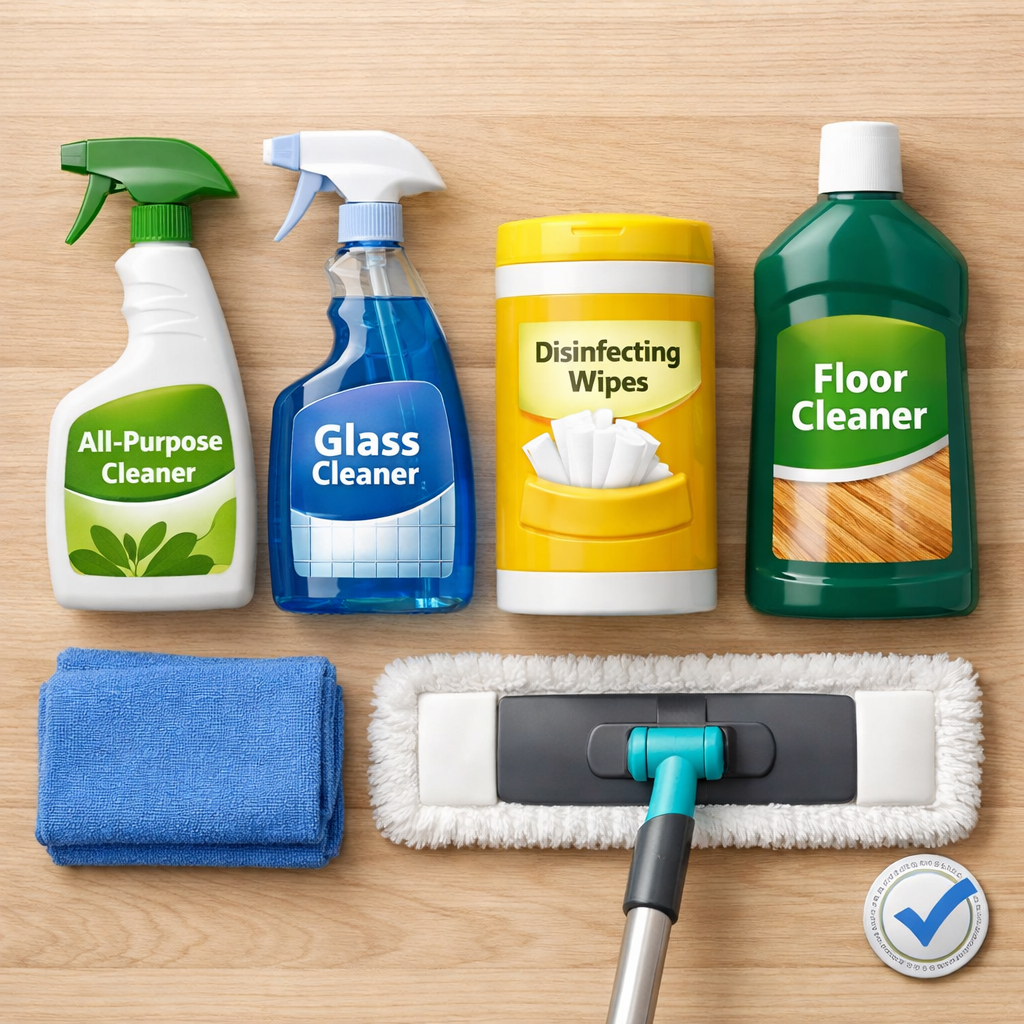
A new wave of targeted performance, ingredient transparency, and low‑waste refills is redefining the most trusted cleaning products for everyday use in 2026. Specialized formulas—like enzyme degreasers for baked‑on messes, pH‑neutral floor concentrates, and ammonia‑free glass cleaners—cut time and effort when paired with the right tools, as echoed by award panels and expert testers in the Good Housekeeping Cleaning Awards 2026. Cleaning Supply Review’s editor‑verified picks below reflect those shifts and the growing move to refillable cleaning systems profiled by CleaSpace’s home roundup.
What you’ll gain:
- Safer daily cleaning with low‑VOC, fragrance‑free options
- Clear disinfection guidance with realistic contact times
- Cost‑per‑use clarity across concentrates and tablets
- Sustainability signals to trust: EPA Safer Choice, UL Ecologo, NEA, and List N when relevant
Strategic Overview
Readers increasingly want two things at once: top-tier efficacy and cleaner air indoors. Our 2026 analysis focuses on editor‑verified picks that deliver targeted cleaning with fewer fumes, plus practical formats that reduce plastic. Trends converging this year:
- Targeted chemistries and tools that reduce scrubbing and streaks, with lab panels spotlighting enzyme action, microfiber systems, and smart applicators, as seen in Good Housekeeping’s Cleaning Awards 2026.
- Ingredient transparency moving mainstream, from plant‑based surfactants to dye‑free, hypoallergenic formulas.
- Refillable cleaning systems and tablets that cut shipping water and plastic while lowering cost‑per‑use, a shift highlighted in CleaSpace’s latest home guide.
Cleaning Supply Review Selection Standards
Our recommendations are independent and standards‑driven. Each product is scored across:
- Cleaning power: measured soil removal on kitchen, bath, and floor soils
- Surface safety: finish compatibility, streaking, and residue
- Scent/irritation: preference for fragrance‑free and low‑VOC cleaners
- Packaging and refillability: concentrates, tablets, and recyclability
- Tester feedback: ergonomics, ease, and time saved, aligning with our protocols and with methods used by respected testing outlets such as CNET’s expert reviews of all‑purpose cleaners
We prioritize verified credentials where applicable: EPA List N for disinfectants, EPA Safer Choice, UL Ecologo, and NEA Seal of Acceptance. For example, CNET notes Bona All‑Purpose as 99% plant‑based and Safer Choice certified, and references Windex multipurpose SKUs aligned with EPA disinfectant listings—helpful signals when building a two‑cleaner strategy.
EPA List N (definition, 40–50 words): A federal listing of disinfectants expected to kill SARS‑CoV‑2 and other pathogens when used as directed. Products must carry EPA registration with approved efficacy data and specific contact times. Always follow the master label for surface directions, dilution, and required wet‑time.
How We Tested and Verified
At Cleaning Supply Review, we combined lab‑style trials with at‑home validation:
- Surfaces and soils: we applied standardized greasy films, soap scum, and mineral spotting to counters, glass, stainless, and sealed floors.
- Protocols: set contact times per label; compared microfiber vs. paper; scored residue, streaking, and gloss.
- Labels and ingredients: verified master labels, List N registration (if applicable), VOC and fragrance claims, dye‑free status, and compatibility notes.
- Tools: benchmarked microfiber systems, telescoping dusters, spin mops, and powered scrubbers that award panels say cut cleaning time.
Editor summary table: task fit, surface safety, certifications, and cost-per-use snapshot
| Product | Task fit | Surface safety snapshot | Notable certifications/claims | Est. cost/32 oz equivalent |
|---|---|---|---|---|
| Atmos‑Klenz Daily Botanical | Gentle daily wipe‑downs | Most sealed counters, stainless, laminate; test natural stone | Low‑VOC/fragrance‑free positioning; not a disinfectant | Varies (RTU pricing) |
| Citra‑Melt Pro Enzymatic Degreaser | Baked‑on kitchen grease | Enamel, stainless; spot‑test aluminum/coated ovens | Enzyme‑forward; not a disinfectant | Varies (concentrate or RTU) |
| SteelShine Micro‑Oil Stainless Polish | Restore/defend stainless | For appliance exteriors; avoid food‑contact unless label allows | Protectant sheen | N/A (polish) |
| Vivid‑Clear Ammonia‑Free Streaker | Streak‑free glass/mirrors | Glass, cooktops, chrome; low fumes | Ammonia‑free | Varies (RTU) |
| Floor‑Restore pH‑Neutral Concentrate | Residue‑free floor care | Sealed hardwood, tile, laminate, LVT; avoid unsealed wood/stone | pH‑neutral | Low per bucket (dilutable) |
| Dr. Bronner’s Sal Suds | Multi‑use concentrate | Hard surfaces, floors, laundry; adjust per task | Biodegradable | Low (dilutable) |
| Blueland Clean Essentials Kit | Refillable AP, glass, bath | Task‑specific formulas in reusable bottles | Low‑waste tablets | Low–moderate (tablet‑made) |
| Swiffer Sweep & Mop Deluxe | Fast dry/damp floor care | Sealed floors; pad‑dependent | Tool (pads optional) | N/A (tool) |
| O‑Cedar EasyWring | Deeper floor cleaning | Sealed floors; microfiber head | Tool (washable head) | N/A (tool) |
| Puracy Stain‑Remover | Laundry/soft surfaces | Colorfast fabrics; test delicates | 92% USDA Biobased (per GH) | Varies (RTU) |
What to Buy for Everyday Cleaning
Match the task to the tool and keep it simple with a gentle daily cleaner plus an on‑label disinfectant:
- All‑purpose daily wipes/sprays: favor plant‑based or Safer Choice options for counters and high‑touch spots. Cleaning Supply Review’s testing and CNET’s all‑purpose roundup highlight safer choices for routine use.
- Enzyme degreaser: deploy for baked‑on pans, range hoods, and oven doors.
- Ammonia‑free glass cleaner: mirrors, shower doors, glass cooktops without harsh fumes.
- pH‑neutral floor concentrate: sealed hardwood, tile, and luxury vinyl with no sticky residue. Tools that shorten jobs: quality microfiber cloths, telescoping dusters, spin mops, and electric scrubbers streamline reach and scrubbing, echoing award‑panel insights from Good Housekeeping’s 2026 coverage and our in‑house trials. For mold/mildew or heavy bio‑load, bleach‑based products remove stains and disinfect effectively—use ventilation and follow the label.
Cleaning Supply Review
Our mission: deliver independent, standards‑first recommendations for homes and facilities, prioritizing low‑VOC, fragrance‑free safety, measurable performance, regulatory verification, and sustainability. We calculate cost‑per‑use across concentrates and tablets, verify EPA registrations and kill claims, and spotlight hypoallergenic, dye‑free, phosphate‑free picks. Explore our deep dives on residue‑free top performers in our all‑purpose cleaner testing and our ranked list of the most trusted cleaning brands. We test products hands‑on in both controlled and real settings to validate claims before recommending them.
Atmos-Klenz Daily Botanical
Positioning and use: a botanical, non‑toxic all‑purpose spray for daily wipe‑downs on counters, kids’ areas, and high‑touch points, with a low‑VOC profile and minimal residue compared with heavy solvent cleaners. It’s designed for frequent use without the lingering fumes common to traditional formulas.
Good for/Not for:
- Good for: routine counter resets, doorknobs, stainless, sealed laminate, sensitive households
- Not for: disinfection (unless label states List N registration), unsealed stone, heavy baked‑on grease
Citra-Melt Pro Enzymatic Degreaser
Go‑to choice for stubborn kitchen soils: this enzyme degreaser breaks down baked‑on fats with less scrubbing, reducing elbow grease on pans, grates, and oven doors when allowed a short dwell.
Enzymatic cleaner (definition, 40–50 words): A formula that uses proteins known as enzymes to target and break down soils—such as fats, starches, or proteins—into smaller, water‑soluble fragments. This selective action often reduces mechanical scrubbing and can work effectively at lower temperatures than solvent‑heavy degreasers.
Care notes:
- Verify compatibility with aluminum, coated ovens, and painted surfaces
- Ventilate during use and test‑spot on inconspicuous areas
- Rinse food‑contact items thoroughly
SteelShine Micro-Oil Stainless Steel Polish
This polish restores sheen, masks micro‑scratches, resists fingerprints, and helps repel new smudges on fridges and dishwashers.
- How to use: apply a small amount to microfiber, work along the grain, then buff dry to minimize streaks.
- Safety: avoid direct food‑contact zones unless the label permits; use a separate cleaner for interior food surfaces.
Mini comparison:
- Cleaner: removes soil but may not protect
- Polish: enhances shine and adds light protection; can mask fine marks
- Protectant: leans heavier on repellency; use when fingerprint resistance is the goal
Vivid-Clear Ammonia-Free Streaker
A low‑fume, ammonia‑free glass and mirror solution that leaves streak‑free clarity on mirrors, shower doors, chrome, and glass cooktops. For best results, use a lint‑free microfiber with the two‑cloth method—one to clean, one to buff—and avoid direct sun to prevent fast evaporation and haze. Sensitive users often prefer ammonia‑free options over traditional glass cleaners for indoor air comfort.
Floor-Restore pH-Neutral Concentrate
Designed for sealed hardwood, tile, laminate, and luxury vinyl, this pH‑neutral concentrate lifts soils without clouding or residue.
- Dilution: follow label; typical floor ratios keep suds low and drying even
- Mop compatibility: microfiber flat mops for routine care; spin mops for periodic deeper cleans
- Warning: avoid on unsealed wood or specialty stone that requires different pH; always spot test
Dr. Bronner’s Sal Suds
A budget‑smart, biodegradable multi‑purpose concentrate suitable for floors, dishes, and laundry when diluted correctly.
- Typical starting dilutions: all‑purpose spray ~1 tsp per quart; floors ~1–2 Tbsp per gallon; laundry ~2–3 Tbsp per load; adjust to soil and water hardness
- Do not mix with vinegar in the same bucket; acids can reduce surfactant performance
- Value: concentrates dramatically lower cost‑per‑clean while cutting plastic
Blueland Clean Essentials Kit
Refillable, water‑free tablets and reusable bottles keep plastic low and cabinets tidy. The kit is about $46 with 23,000+ positive reviews noted in The Good Trade’s roundup of nontoxic cleaners, and tablets mix into task‑specific sprays (all‑purpose, glass, bath). Because concentrates and refills often clean two to four times more surface area than comparable ready‑to‑use bottles, long‑term value is strong.
Simple workflow:
- Fill bottle with warm water
- Drop tablet and let dissolve fully
- Label bottle for the task
Swiffer Sweep & Mop Deluxe
An upgraded flat‑mop system speeds upkeep in kitchens, baths, and entryways.
- Ergonomics: a collapsible telescoping handle and locking pivoting head improve reach along baseboards and tight spaces, features highlighted by Good Housekeeping’s 2026 awards
- Use: make a dry dust pass first, then a damp pass; pair with pH‑neutral solutions on sealed floors
- Pads: dry for dust/debris; wet or reusable microfiber for light mopping
Quick comparison vs. spin mops:
- Speed and convenience for frequent touch‑ups
- Less agitation and water volume than a deep‑clean session
O-Cedar EasyWring
Ideal for deeper floor cleaning with less strain.
- Features: hands‑free wringing and a foot pedal to control moisture, as demonstrated in this head‑to‑head demo
- Technique: use pH‑neutral solutions and a figure‑eight pattern to lift soil efficiently
- Cost‑per‑use tip: washable microfiber heads last dozens of cycles, lowering lifetime cost versus disposables
Puracy Stain-Remover
A specialty, enzyme‑forward laundry pre‑treat with strong biobased credentials—92% USDA Biobased and six enzymes cited by Good Housekeeping’s 2026 coverage.
- How to use: saturate stain, allow 5–15 minutes of dwell, lightly agitate, then launder
- Safety: test colorfastness on delicates and rinse thoroughly
How to Build a Two-Cleaner Strategy
Balance daily safety and targeted germ kill with a simple routine we recommend at Cleaning Supply Review:
- Daily clean: use a plant‑based or Safer Choice all‑purpose for counters and touchpoints.
- Targeted soils: apply an enzyme degreaser on baked‑on kitchen messes.
- Disinfect when needed: choose an EPA List N disinfectant and meet the label’s wet contact time, especially in bathrooms, trash zones, and during illness.
Many plant‑based and enzyme products excel at cleaning but are not EPA‑registered disinfectants; pair them with a List N option. For mold/mildew or stain removal, bleach‑based disinfectants are effective—ensure ventilation and follow label precautions.
Refill Systems and Cost per Use
Concentrates and tablet refills can clean two to four times more surface area per shipment than ready‑to‑use bottles, reducing plastic and cost‑per‑clean over time. Blueland’s reusable bottles and water‑free tablets are a practical example of this low‑waste approach.
Calculator‑style examples (replace with your prices; estimates only):
| System | Upfront kit price | Refills per year (example) | Ounces made per refill | Estimated cost/32 oz equivalent |
|---|---|---|---|---|
| Blueland Clean Essentials Kit | ~$46 | 12 | 24 oz | (refill price ÷ 24) × 32 |
| Sal Suds concentrate | Varies | 6 | Depends on dilution | (price per diluted ounce) × 32 |
| Generic 1:16 concentrate | Varies | 6 | 512 oz from 32 oz concentrate | total price ÷ 16 (per gal) ÷ 4 (per 32 oz) |
Tip: Track how many 32‑oz equivalents you mix from a single concentrate or tablet pack; divide total spend by that number to compare against ready‑to‑spray bottles.
Safety, Certifications, and Ingredient Transparency
Quick checklist we use in reviews:
- Fragrance‑free or low‑VOC where possible
- Dye‑free and phosphate‑free
- Full ingredient disclosure and a clear master label
- Child/pet considerations and proper storage
- Ventilation guidance for bleach actives and strong solvents
- Look for Safer Choice, UL Ecologo, NEA, or USDA Biobased where relevant; confirm List N for disinfectants
Examples to trust (cross‑referenced with our verification):
- Bona All‑Purpose is 99% plant‑based and Safer Choice certified, as noted by CNET’s expert review
- Certain Windex multipurpose SKUs are referenced as EPA‑listed disinfectants in CNET coverage; confirm the exact product’s master label
- Clorox Clean‑Up Cleaner + Bleach remains a reliable option for disinfection and tough stains, mold, and mildew per Forbes’ buyer’s guide
Pull‑quotes for fast reference:
- “VOCs are volatile organic compounds that can off‑gas indoors; choosing low‑VOC cleaners helps reduce fumes and irritation, especially for sensitive users.”
- “EPA List N includes disinfectants expected to kill SARS‑CoV‑2 and other pathogens when used exactly as directed, including the specified wet contact time.”
Frequently asked questions
What is the difference between cleaning, sanitizing, and disinfecting?
Cleaning removes visible soil using surfactants; sanitizing reduces bacteria to safer levels; disinfecting kills listed germs when you meet the product’s wet contact time. At Cleaning Supply Review, we advise cleaning first, then disinfecting high‑risk areas or during illness.
How do I choose products for sensitive skin and low VOC needs?
Cleaning Supply Review recommends fragrance‑free, dye‑free, low‑VOC formulas with Safer Choice or similar certifications. Avoid strong solvents, check full ingredient lists, and favor pH‑neutral or plant‑based concentrates for daily wipe‑downs.
Are plant-based or enzyme cleaners as effective as traditional formulas?
Many plant‑based and enzyme cleaners remove everyday soils and grease but don’t necessarily disinfect. Cleaning Supply Review suggests pairing them with an EPA‑registered disinfectant in bathrooms, kitchens, and during illness.
What certifications should I look for on safer cleaning products?
Start with EPA Safer Choice and look for UL Ecologo, NEA, or USDA Biobased; for germ kill, confirm EPA List N on the master label. Cleaning Supply Review prioritizes these credentials in our picks.
How can I reduce plastic waste and still get high performance?
Choose concentrates, tablet refills, and reusable bottles to cut plastic and shipping weight. Cleaning Supply Review favors microfiber tools and pH‑neutral concentrates to maintain performance while lowering cost‑per‑use.