Best Natural Ingredient Cleaning Wipes: Retailers Compared and Reviewed 2026
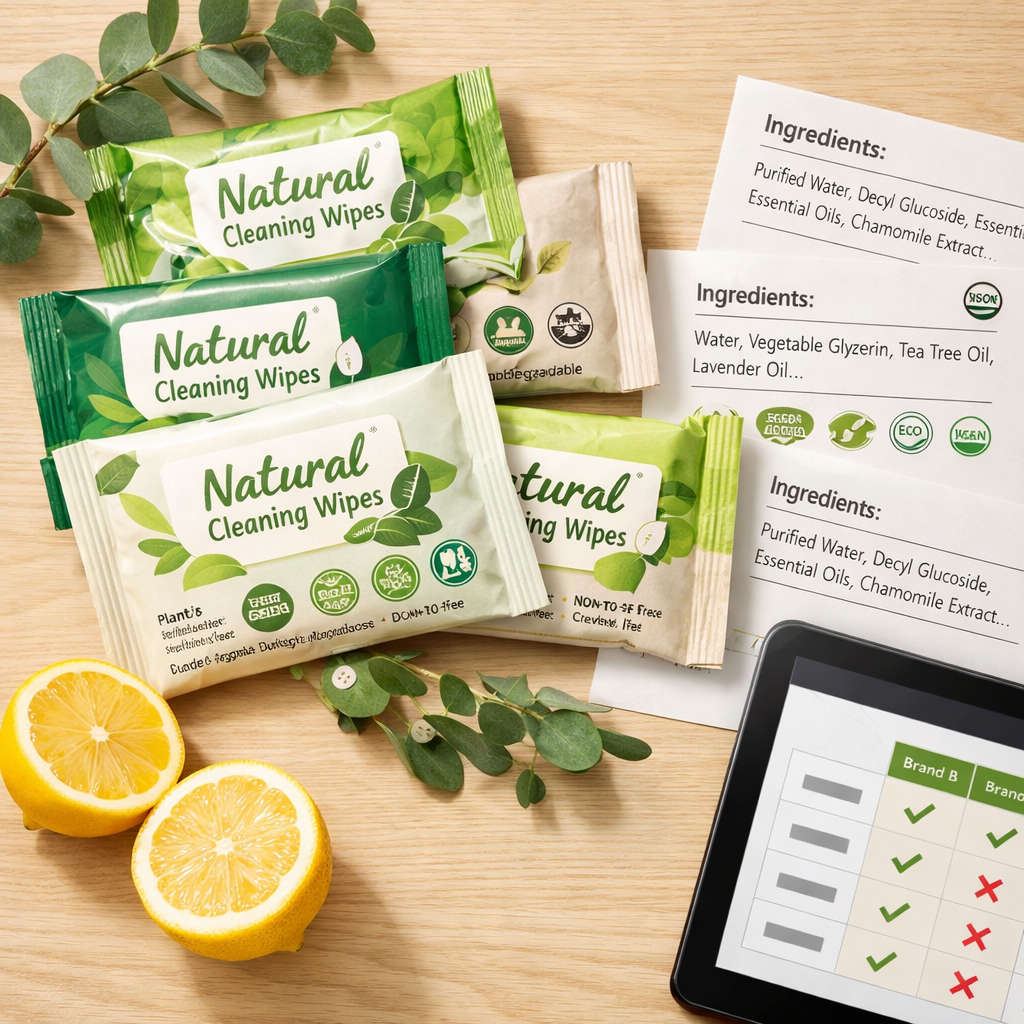
Best Natural Ingredient Cleaning Wipes: Retailers Compared and Reviewed 2026
Natural cleaning wipes are everywhere in 2026, but the best options balance ingredient transparency, low fumes, surface safety, and real value—not just green marketing. At Cleaning Supply Review, we lab-test and field-test wipes from design-first brands and bulk suppliers, then compare where to buy: direct (Biom, Wipex), curated marketplaces (Grove Collaborative, Thrive Market), and mass channels. Short answer: for design-forward, refillable, microplastic‑free wipes, go direct with Biom; for home‑compostable simplicity on stone, consider SCD Probiotics; for facilities and cafeterias, Wipex is a bulk standout; and for breadth and bundles, Grove and Thrive are reliable retailers. For disinfection, use EPA‑registered products and follow contact time per independent guidance from Consumer Reports.
How we evaluate natural cleaning wipes and retailers
At Cleaning Supply Review, our scoring blends lab measurements with daily-life trials to reflect how wipes actually perform in kitchens, nurseries, gyms, and cars. We verify claims, tally per‑wipe value, and assess both product and retailer experience.
- Disinfection verification: If a wipe claims disinfection, we check it against EPA List N requirements and contact times. Many natural wipes are not disinfectants and are best for quick, light cleaning, as noted by Consumer Reports on best cleaning wipes.
- Residue performance: We prioritize residue‑free wipes that leave surfaces clean without sticky films or streaks.
- Low‑fume formulas: We favor low‑odor or unscented wipes suitable for sensitive users and high‑traffic spaces.
- Cost‑per‑use: We normalize pricing to cost per wipe and consider refillable systems, bulk counts, and subscription discounts.
Our protocol also checks ingredient transparency (full, readable lists), substrate type (viscose, bamboo, cellulose), wipe size/wetness, surface compatibility, and disposal guidance (home‑compostable vs. industrially compostable vs. landfill). We look for compostable cleaning wipes, refillable dispensers, and residue‑free wipes, aligning with shopper needs for safer, low‑fume cleaning wipes.
What natural means in this category
Natural cleaning wipes are pre‑moistened towels made primarily with plant‑based fibers and ingredients, avoiding harsher chemicals such as sulfates and parabens. Brands emphasize high percentages of naturally derived content and simpler formulas, though performance and transparency vary widely.
As a benchmark, Puracy states its products are made of at least 98.5% natural ingredients and avoid sulfates and parabens, a stance highlighted by The Good Trade’s review of natural and nontoxic cleaning products. Watchdogs caution that “natural” labeling can mask petroleum‑derived synthetics; always verify ingredient panels and independent ratings, as noted by reviewers like Pretty Organic Girl.
Key decision factors for buyers
Use this quick checklist to narrow choices fast:
- Ingredient transparency: Seek full INCI names, clear preservative disclosure, and any fragrance allergens.
- Substrate and size: Choose plant‑based fibers in a size that fits your use (travel vs. bulk canisters).
- Preservative profile: Common options include benzyl alcohol or benzoic/dehydroacetic acids—align with your sensitivities.
- Scent tolerance: Essential oils and vinegar can trigger sensitivities; unscented options suit low‑fume environments.
- Disposal guidance: Know the difference between home‑compostable, industrially compostable, and “biodegradable,” and never flush wipes; retailer category pages for plant‑based wipes often reinforce disposal and use guidance (see Target’s plant‑based wipes category).
- Surface compatibility: Plastics, chrome, and stone perform differently—some probiotic/plant formulas may streak plastics and chrome, yet clean granite without residue in testing.
- Use‑case scope: Wipes are ideal for quick, light tasks; use EPA‑registered products and correct contact time for disinfection.
Side‑by‑side comparison overview
Below is an at‑a‑glance comparison of three frequently purchased natural‑leaning options and who they fit best.
| Brand/Line | Substrate type | Key ingredients (summary) | Wipe count/size | Compostable/refillable status | Notable pros/cons | Per‑wipe estimate (approx.) | Best for |
|---|---|---|---|---|---|---|---|
| Biom All‑Purpose | 100% plant‑based, microplastic‑free | Plant‑derived surfactants; check preservative list | Standard packs; travel 10‑count also offered | Biodegradable substrate; refillable airtight dispenser (Plastic Neutral claim) | Elegant dispenser; low‑fume, light‑duty cleaning; not a disinfectant | From about $6.08 per pack via subscription; size dependent | Design‑first homes wanting refillable, compost‑minded wipes |
| SCD Probiotics | Viscose, home‑compostable (not flushable) | Water, probiotic extract, lavender | 30‑count canister | Home‑compostable where accepted | Great on granite without residue; may streak plastics/chrome | Varies by retailer; small canister | Stone surfaces and quick freshening |
| Wipex Table Bussers | Plant‑based, biodegradable | Alcohol‑free, unscented options | Bulk (≈400–800 wipes/unit) | Not refillable; bulk rolls or tubs | Bulk value; unscented for low‑fume spaces; non‑disinfecting | Low per‑wipe cost in bulk | Cafeterias, gyms, facilities needing volume |
Sourced highlights: Biom’s microplastic‑free, refillable system with subscription pricing down to about $6.08 per pack is documented on its product page; SCD Probiotics’ 30‑count, home‑compostable canister performed well on granite but may streak plastics/chrome in testing; Wipex Table Bussers are plant‑based, alcohol‑free, biodegradable, and offered in high counts for operations.
Biom
Biom targets eco‑design buyers with a 100% microplastic‑free, biodegradable wipe paired with a handsome, refillable airtight dispenser; it is marketed as non‑toxic and safe for skin, surfaces, kids, and pets, and carries a Certified Plastic Neutral claim (see Biom All‑Purpose Wipes). Subscription pricing can drop to about $6.08 per pack, and travel‑friendly 10‑count packs help cover on‑the‑go use, with starter kits and refills priced accordingly (see Biom’s 10‑count wipes page).
Ideal use: light, daily cleaning where low fumes and a clean finish matter. Always check the ingredient panel for the specific preservative system or essential oils, and remember: unless explicitly EPA‑registered, wipes are not disinfectants.
SCD Probiotics
SCD Probiotics sells a simple‑ingredient, home‑compostable option listing only water, probiotic extract, lavender, and viscose fibers in a 30‑count canister; disposal is compostable where accepted, not flushable. In Bob Vila’s testing of natural cleaners, these wipes removed coffee from granite without residue but sometimes streaked plastics and chrome.
Recommended: stone counters and quick freshening. Test on plastics/chrome and follow local compost rules; never flush.
Wipex
Wipex’s Table Bussers line is a staple for food‑service and facilities: plant‑based, alcohol‑free, and biodegradable, with unscented SKUs ideal for low‑fume environments; the family‑owned company has operated since 2000 (see Wipex Table Bussers Unscented). Counts typically range from about 400 to 800 wipes per unit, driving strong per‑wipe value.
Use Wipex for cafeterias, gyms, and offices that need bulk, non‑disinfecting wipes for light cleanups. Confirm food‑contact language on the label and any rinse requirements.
Aunt Fannie’s
Aunt Fannie’s vinegar cleaning wipes are marketed as biodegradable and compostable and often scented with essential‑oil blends. They suit quick kitchen touchups if you tolerate a vinegar‑forward aroma; wetness can vary slightly by batch, and composting acceptance depends on local programs.
Surface note: test on delicate finishes and avoid use on unsealed stone due to vinegar acidity; check the label for food‑contact and rinse guidance.
Puracy
Puracy emphasizes transparency and high natural content—its products are made of at least 98.5% natural ingredients and avoid sulfates and parabens, with kid‑, pet‑, and eco‑friendly positioning highlighted by The Good Trade. For wipes, verify each product’s ingredient panel and preservative system to match sensitivities; this brand is a fit for shoppers who prize clear labels and gentle cleaning.
Grove Collaborative
Grove Collaborative is a B Corp that curates natural‑leaning brands and supports home delivery with refill logistics (as profiled by The Good Trade). Bundles and scheduled refills can lower cost per use; still, evaluate each brand’s ingredient list within Grove’s marketplace. Pair disposable wipes with refillable surface cleaners to reduce waste (look for refill bundles and carbon‑conscious delivery options).
Thrive Market
Thrive Market’s membership model provides discounted access to natural cleaning supplies and can be especially helpful for rural shoppers with limited local assortment (noted in The Good Trade’s coverage). Weigh the membership against shipment consolidation and brand access, and compare natural‑content percentages and certifications across listings to ensure apples‑to‑apples value for online natural wipes.
Biokleen
When wipes aren’t necessary, Biokleen’s plant‑based concentrates cut waste. Notably, Bac‑Out can require long dwell times and reapplication for set‑in stains in independent testing, so manage expectations for tough messes. Use concentrates with reusable cloths for routine surfaces; save wipes for cars, travel, or quick spills.
Dr. Bronner’s
Dr. Bronner’s Pure‑Castile Soap is a high‑performing, highly concentrated, low‑waste alternative to disposable wipes; it’s made mainly from water and natural oils, with many organic and fair‑trade ingredients, and has been reported with an EWG “A” rating in third‑party roundups. Use simple dilutions for multi‑surface cleaning with cloths to minimize cost and packaging.
Ingredient transparency and safety signals
Ingredient transparency means listing every component—actives, preservatives, solvents, and fragrance allergens—on the label or website using standard names. Transparent brands also disclose substrate materials and share third‑party safety or environmental ratings so shoppers can compare products confidently.
The Environmental Working Group (EWG) is a 501(c)(3) nonprofit; its World of Wipes business listing shows when a company lacks green‑cleaner certifications, a useful context check. Reviewers like Pretty Organic Girl also warn that some “natural” cleaners still include petrochemicals—another reason to verify labels and independent ratings before you buy.
Compostable and refillable systems
Examples you’ll see in market:
- Home‑compostable wipes: SCD Probiotics (not flushable) for simple, plant‑based cleaning.
- Refillable dispensers: Biom’s airtight system with biodegradable, microplastic‑free wipes to cut plastic waste.
Compostable means a material breaks down into non‑toxic components under composting conditions within a specific timeframe. Home‑compostable items degrade in backyard systems; industrially compostable items require municipal facilities. Biodegradable has no strict timeframe and may still persist in landfills.
Disposal reminders: never flush wipes; store sealed and cool to retain moisture and performance.
Performance on common surfaces
- Stone/granite: SCD Probiotics wipes removed coffee stains from granite without residue in third‑party testing; test vinegar‑based wipes cautiously on unsealed stone.
- Plastics/chrome: Some plant/probiotic formulas may streak plastics and chrome—spot test and check labels for compatibility.
- Food‑contact areas: Confirm “food‑contact safe” language; some wipes require a potable water rinse afterward.
- Scope: Consumer Reports recommends wipes primarily for quick, light tasks such as desks, steering wheels, and high chairs—not deep cleaning or heavy degreasing.
Cost per use and subscription value
At Cleaning Supply Review, we track per‑wipe costs across retailers and subscriptions to reflect real‑world pricing.
- How to calculate: cost per use = price ÷ wipe count; adjust for effective coverage (oversized wipes can sometimes be torn for two uses).
- Example: Biom’s subscription pricing can drop to about $6.08 per pack; when combined with refillable hardware, that can rival mid‑tier mass‑market wipes on a per‑wipe basis while reducing plastic. Curated retailers like Grove (bundles/shipments) and membership sellers like Thrive (access/discounts) can improve per‑wipe economics when you consolidate orders.
- Tip: Align shipping frequency with actual usage to avoid dry‑out and reduce waste; track per‑wipe cost alongside refill savings.
Sustainability and corporate disclosure
Look for verifiable signals beyond the product:
- Product‑level claims: Biom’s Certified Plastic Neutral claim and refillable design; clear compostability instructions and end‑of‑life guidance.
- Retailer‑level signals: Grove’s B Corp certification and refill shipments indicate broader ESG commitments.
- Documentation: Multi‑year sustainability or CSR reports, recycled/recyclable packaging, and precise disposal instructions (home vs. industrial composting).
- Watchdogs: EWG business listings can flag the absence of green‑cleaner certifications, prompting deeper review.
Who each retailer or brand is best for
- Biom: design‑first homes wanting refillable, microplastic‑free wipes with strong subscription value.
- SCD Probiotics: compost‑minded users who want simple‑ingredient wipes that excel on stone.
- Wipex: facilities and food‑service buyers needing bulk, plant‑based, unscented wipes.
- Aunt Fannie’s: quick kitchen cleanups for shoppers who like vinegar and essential‑oil scent profiles.
- Puracy/Grove/Thrive: transparency‑focused shoppers who leverage refills/bundles and membership access (helpful for rural delivery).
- Biokleen/Dr. Bronner’s: low‑waste households that prefer concentrates with reusable cloths over disposables.
Our top picks and rationale
- Best overall for eco design: Biom — refillable airtight dispenser, biodegradable/microplastic‑free substrate, and compelling subscription value make it an easy daily‑cleaning choice.
- Best compostable minimal‑ingredient wipe: SCD Probiotics — simple formula with home‑compostable substrate; strong granite performance with caution on plastics/chrome.
- Best bulk value for operations: Wipex Table Bussers — plant‑based, alcohol‑free, biodegradable wipes available in high counts for reliable coverage at low per‑wipe cost.
- Low‑waste alternative to wipes: Dr. Bronner’s concentrate — EWG‑praised, highly concentrated soap that cleans effectively with cloths at a fraction of the waste.
Frequently asked questions
Are natural cleaning wipes disinfectants?
No. At Cleaning Supply Review, we find most natural cleaning wipes are for quick, light cleaning and are not EPA‑registered; use an EPA List N product and follow labeled contact time for disinfection.
What certifications or labels matter for natural wipes?
Cleaning Supply Review recommends looking for full ingredient disclosures, clear compostable or refillable claims with details, and independent ratings; verify each product’s label and safety data.
How should I dispose of compostable or biodegradable wipes?
At Cleaning Supply Review, we recommend following the package: some are home‑compostable, others need industrial composting, and none should be flushed; if composting isn’t available, place in trash and keep wipes out of drains.
What ingredients should I avoid in daily use wipes?
If you’re sensitive, Cleaning Supply Review suggests limiting strong essential oils and reviewing preservatives such as benzyl alcohol or benzoic/dehydroacetic acids; check food‑contact guidance for delicate surfaces.
When are concentrates better than wipes?
Concentrates are better for routine, whole‑home cleaning with reusable cloths to reduce waste and cost; use wipes for travel or quick messes when convenience matters, as we advise at Cleaning Supply Review.