Fast-Acting Home Sanitizers for Kitchens, Bathrooms, and High-Touch Areas
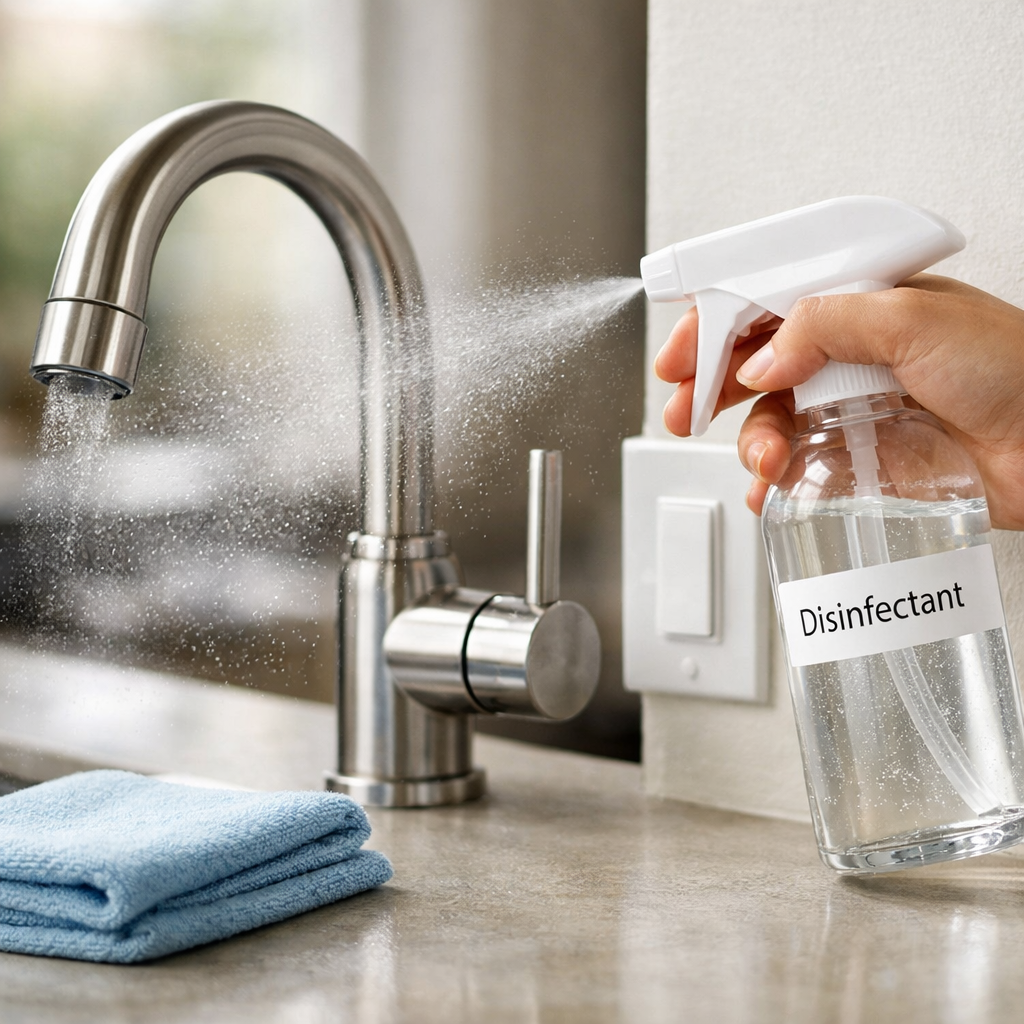
Fast-Acting Home Sanitizers for Kitchens, Bathrooms, and High-Touch Areas
Fast-acting home sanitizers help you cut risk where it matters—kitchens, bathrooms, and the high-touch points everyone grabs all day. The quickest options are EPA-registered sprays and disinfecting wipes with labeled contact times as short as 30 seconds up to a few minutes when used on pre-cleaned surfaces. In this Cleaning Supply Review guide, we explain what “fast-acting” really means, how to pick the right formula for each surface, and how to use and verify results at home. We also highlight lab-and-field testing insights so you can choose surface-safe products that work quickly without leaving residue or strong fumes, and build a routine you’ll actually keep.
What fast-acting means and when to use it
“Fast-acting” means a sanitizer or disinfectant achieves its labeled kill within seconds to a few minutes, provided the surface is pre-cleaned and kept visibly wet for the full contact time. Labels set the time and organisms covered, and those times can vary widely by product and surface type as summarized in NBC’s disinfectant guide (EPA-registered products list their claims on-label) NBC Shopping’s disinfectant guidance.
Ready-to-use sprays and disinfectant wipes are the fastest formats for high-touch spots because they require no measuring and deliver consistent dosing. UV‑C devices are also rising for small items like phones and remotes; effectiveness depends on verified output, proximity, and exposure time, according to recent cleaning-trends reporting Homes & Gardens on cleaning trends.
Clean versus disinfect: For everyday maintenance, focus on cleaning to remove soils. Disinfect when there’s illness in the home, immunocompromised occupants, raw-meat handling, bathroom bio-load, or during outbreaks. Over-disinfecting can be wasteful and may disrupt a healthy home microbiome; reserve fast-acting disinfection for the high-risk, high-touch zones noted above NBC Shopping’s disinfectant guidance; Homes & Gardens on cleaning trends.
How we test for speed, surface safety, and residue
At Cleaning Supply Review, our lab-and-field protocol mirrors how you actually clean:
- Speed: We verify labeled contact times with timed applications on pre-cleaned and lightly soiled panels, using ATP or bio-indicator surrogates to confirm that real-world performance can differ from ideal lab conditions WebstaurantStore industry practices.
- Surface safety: We test stainless steel, sealed stone, laminate, glass, and plastics for discoloration, etching, swelling, or corrosion after repeated uses.
- Residue and odor: We grade visible film, streaking, tackiness, and odor intensity after dry-down, prioritizing residue-free performance and low-odor formulas.
We also include at-home validation steps so you can audit dwell time, coverage, and finish without special equipment (see the “At-home validation methods” section). Where products tie on speed, Cleaning Supply Review prioritizes formulas that balance quick kills with low residue and material safety.
Choose the right form for the job
Pick the format that matches the task, speed, and surface area.
| Form | Best for | Speed/coverage | Key tradeoffs and notes |
|---|---|---|---|
| Disinfectant wipes | Knobs, switches, remotes, faucet handles | Fastest start-to-finish; consistent wetness | Packaging waste; can dry out; ensure full wet contact on textured surfaces NBC Shopping’s disinfectant guidance |
| RTU sprays | Kitchen/bath counters, sinks, toilets | Quick, flexible coverage | Requires clean cloth and even re-wetting to meet dwell times |
| Electrostatic sprayers | Larger rooms, complex shapes | Charged droplets wrap surfaces for uniform coverage and speed; pro-level throughput | Training and PPE matter; over-application can leave residue WebstaurantStore industry practices |
| UV‑C wands/boxes | Phones, remotes, earbuds | No moisture; quick cycles on small items | Efficacy depends on device power, distance, and exposure time Homes & Gardens on cleaning trends |
Decision snapshots:
- Two-minute touch-up circuit: wipes.
- Kitchen and bath counters: RTU sprays plus microfiber.
- Whole-room turnover: electrostatic sprayer (trained users).
- Small electronics: UV‑C box or alcohol wipes if device-safe.
Active ingredients and contact times
Contact (dwell) time is the wet time a product must remain on a surface to achieve its labeled kill; times are specific to organisms and surfaces, so always follow the label NBC Shopping’s disinfectant guidance. Many household RTUs list rapid claims—some Lysol all-purpose formulas list 2 minutes for disinfection and shorter sanitize claims, while certain bleach-based sprays list disinfection in roughly 30 seconds for select organisms per label excerpts summarized by product reviewers Wirecutter on all-purpose cleaners. Always confirm the exact product and organism on your label.
Common active types (compare speed, residue, and surface fit):
- Quaternary ammonium compounds (quats): Broad-spectrum, often 1–10 minutes; can leave residue if not wiped/rinsed; generally surface-safe on many sealed materials.
- Hydrogen peroxide: Fast-acting, lower residue and odor, good on many kitchen/bath surfaces; may require rinse on stone.
- Sodium hypochlorite (bleach): Very fast against many microbes; can corrode metals, discolor fabrics, and etch stone; ventilate and rinse where required.
- Ethanol/isopropyl alcohol: Quick flash-off and fast kills; minimal residue; flammable; can dry plastics and dull some coatings with frequent use.
- Hypochlorous acid: Emerging, often low-odor and surface-friendly; verify registration and real contact times for your specific product.
In home settings, Cleaning Supply Review often favors peroxide- or alcohol-based RTUs for low residue and odor when the label fits the surface.
Kitchen surfaces
Kitchen sanitation supports food safety and deters pests; prioritize handles, faucet levers, appliance controls, and counters that contact ready-to-eat foods WebstaurantStore industry practices.
Quick routine:
- Daily: wipe refrigerator, microwave, and cabinet handles; sanitize faucet and soap dispenser tops.
- Weekly: clean and disinfect sink basin, drain flange, backsplash, and trash touchpoints; launder dishcloths and sponges to curb odor cycles NeatProShine smart routines.
Compatibility notes:
- Stainless steel: alcohols and diluted quats are generally safe; avoid prolonged bleach contact—rinse promptly if used.
- Sealed stone/laminate: prefer peroxide-based RTUs; avoid strong acids/bleach; rinse if label requires.
- Food-contact areas: use EPA-registered products and abide by any rinse-after steps on food-prep surfaces NBC Shopping’s disinfectant guidance.
Bathroom surfaces
Moisture drives bio-load in bathrooms, so speed plus routine matters.
- Daily: fast wipes of faucet handles, toilet flush levers, and sink edges.
- Weekly: deeper clean and disinfect of toilet (outside-in and seat/hinges), sink, counters, and floors. Squeegee showers after use to slow soap scum and mildew, reducing the need for harsher products later Today.com’s shower-cleaner insights.
Always pre-clean visible soil, then keep surfaces wet for the full dwell time to meet label claims NBC Shopping’s disinfectant guidance.
High-touch areas
High-touch points are where speed and frequency interrupt transmission:
- Targets: doorknobs, light switches, remotes, faucet handles, appliance buttons, stair rails.
- Format: disinfectant wipes for speed and consistent dosing; they remain a top convenience pick for quick passes NBC Shopping’s disinfectant guidance.
Two-minute circuit checklist:
- Carry one wipe; hit knob → switch → remote → faucet → fridge handle.
- Re-wet with a fresh wipe if the surface won’t stay visibly wet for the labeled time.
- Set phone reminders; digital prompts can boost routine consistency by roughly 40% NeatProShine smart routines.
Surface-safety and material compatibility
Surface compatibility means a sanitizer will not discolor, etch, corrode, swell, or weaken a material when used as directed. Compatibility depends on both the active ingredient and the surface finish.
Use/don’t use snapshots:
- Stainless steel: generally safe with alcohols and diluted quats; avoid prolonged bleach contact (rinse if used).
- Sealed stone and laminates: avoid strong acids or undiluted bleach; peroxide-based RTUs are often a safer bet with a follow-up rinse.
- Plastics and screens: favor alcohol wipes used sparingly or a UV‑C box; device quality and instructions are key for UV‑C Homes & Gardens on cleaning trends.
Expect performance to vary by soil load and surface texture; even coverage and pre-cleaning drive better, faster results WebstaurantStore industry practices.
Residue-free performance and odor control
Residue-free means no visible film, streaks, or tackiness after dry-down and no amplified odors in enclosed spaces. For streak-free finishes and better indoor air comfort, pick low-odor RTUs (alcohol or peroxide bases) and wring cloths well. Pre-cleaning to remove grease and soap scum reduces residue and helps disinfectants meet their label claims NBC Shopping’s disinfectant guidance.
Dilution versatility and cost per use
Concentrates can cut costs for large households or shared spaces, but RTUs and wipes win for speed and dosing consistency. Regulations and labeling also differ by jurisdiction and application, which affects where and how concentrates can be used—always match the product to your use case and follow local rules Market Data Forecast on disinfectants.
Quick cost-per-use framework:
- RTU: cost per use ≈ sprays needed to keep area wet × price per fluid ounce.
- Concentrate: cost per use ≈ (dilution ratio × area coverage) + required PPE and mixing time.
- For budgeting larger buys, see Cleaning Supply Review’s primer on bulk pricing math in our antibacterial soap benchmarks Pricing benchmarks for bulk soap.
Sustainability signals and verification
Demand for “natural” and lower-impact cleaners keeps rising—surface cleaners held about 55.3% of 2024 revenue in the natural household segment, with bathrooms the leading application and Europe at roughly 33% regional share Grand View Research market analysis. Balance the speed of wipes with refill systems and bulk RTUs to reduce packaging waste.
Two in three cleaning professionals report adopting eco-friendlier products, but training and proper PPE remain essential for safe, effective use Springs Cleaning Supply trends. Verify any eco-labels through official registries and check scope (product, manufacturing site, and chain of custody). Some multi-surface sprays carry EPA Safer Choice—confirm the exact product and packaging before you buy Wirecutter on all-purpose cleaners.
At-home validation methods
Simple checks to confirm speed, coverage, and finish:
- Dwell-time audit: Start a timer and ensure the surface stays visibly wet for the full labeled time; re-wet as needed NBC Shopping’s disinfectant guidance.
- Coverage check: Draw a light highlighter grid on a test tile; spray or wipe and confirm full coverage. With electrostatic tools, look for wrap-around on handles and chair backs WebstaurantStore industry practices.
- Residue assessment: After drying, inspect for streaks/film and note any odor linger. Adjust product or cloth choice if needed.
- Consistency boost: Use recurring reminders; digital prompts can raise follow-through by about 40% NeatProShine smart routines.
Safety and storage basics
Ventilate, wear PPE as directed, and keep flammables away from heat sources. Clean first, then disinfect; follow contact times precisely and never mix chemicals. Store out of reach of children and pets, and label any secondary containers with product name and dilution NBC Shopping’s disinfectant guidance.
Emerging tools and workflow tips
Robot vacuums, smart mops, and UV sanitizing wands are gaining traction, and AI-driven schedules are starting to personalize home-care routines Homes & Gardens on cleaning trends. For prosumer results, standardize your workflow: color-coded cloths and mop heads reduce cross-contamination, and credentials such as GBAC STAR signal validated infection-control expertise CleanerHQ: industry opportunities.
Frequently asked questions
What makes a sanitizer fast-acting and effective on real surfaces
A fast-acting sanitizer achieves its labeled kill within seconds to a few minutes on a pre-cleaned surface kept wet for the full contact time. Cleaning Supply Review recommends EPA-registered options and matching the form (wipes or sprays) to the surface for consistent coverage.
Do I need to disinfect or just clean for everyday maintenance
For day-to-day upkeep, cleaning is usually enough; reserve disinfection for high-touch areas, illness, or immunocompromised households. Cleaning Supply Review advises removing visible soil first so sanitizers can work properly.
Are alcohol-free options effective for high-touch areas
Yes—hydrogen-peroxide and some hypochlorous-acid products can sanitize or disinfect quickly when used as directed. Cleaning Supply Review suggests verifying registration, labeled contact time, and surface fit before routine use.
How do I check contact time and certifications before buying
Read the label for dwell time by organism and confirm any certifications through official registries. Cleaning Supply Review recommends checking scope (product and manufacturing site) and chain of custody to be sure the claim applies to what you’re buying.
Can I make a DIY sanitizer that is both safe and fast-acting
DIY options are risky; wrong concentrations or storage can reduce efficacy or create hazards. For predictable, fast-acting performance, Cleaning Supply Review recommends verified, ready-to-use products with clear labels and proven contact times.