How to Choose Budget Dryer Sheets That Stop Static Cling
How to Choose Budget Dryer Sheets That Stop Static Cling
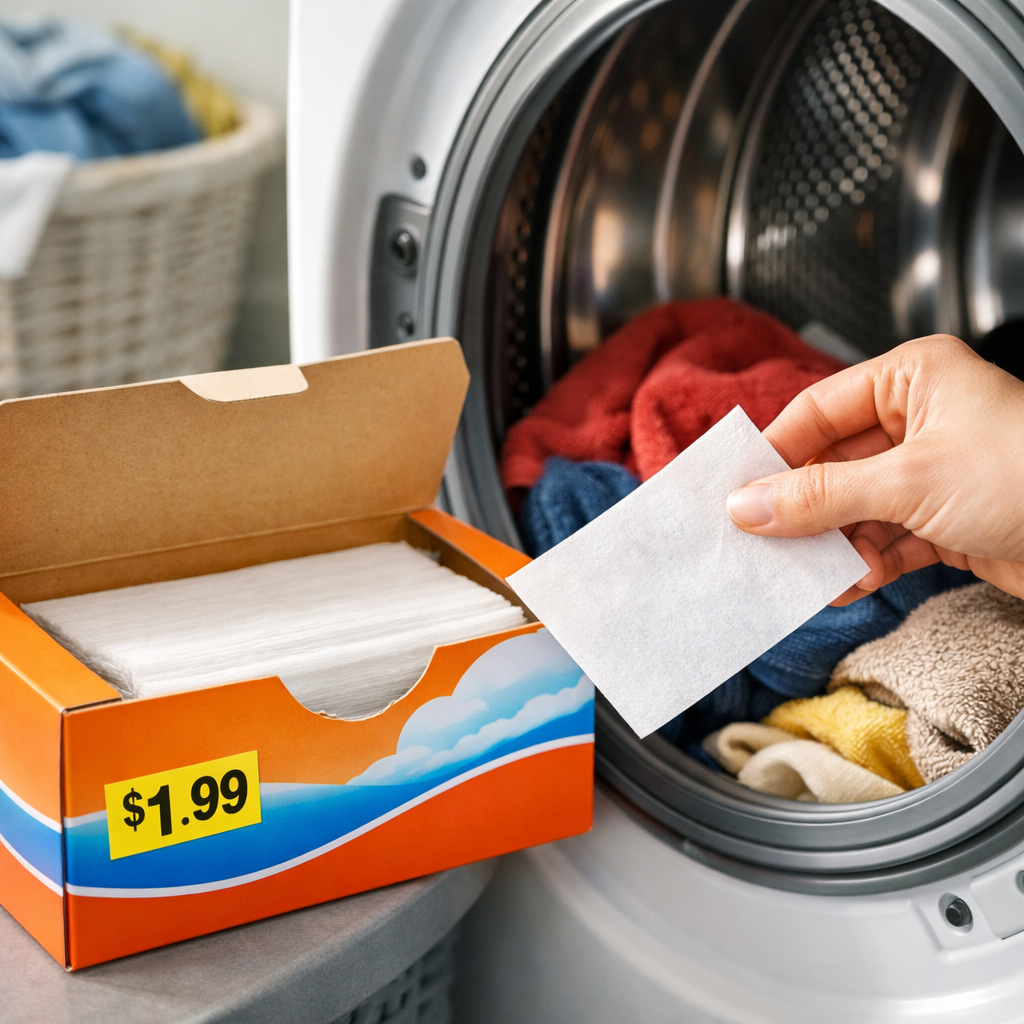
Static cling is most stubborn when the air is dry and your load mixes cottons with synthetics. The right budget dryer sheets can fix it without overspending or over-scenting. At Cleaning Supply Review, we focus on practical, low-cost steps that work: this guide shows how dryer sheets work, which fabrics to skip, what labels mean, and how to dose smartly so you reduce static for just a few cents per load—plus low‑waste alternatives when you want fewer chemicals and less residue.
Understand how dryer sheets reduce static
Static builds as tumbling fabrics rub and exchange charges; low humidity makes the effect worse. Dryer sheets counter that by depositing a very thin, lubricating, antistatic coating that helps balance positive and negative charges so clothes release cleanly instead of clinging, a mechanism explained by Maytag’s laundry experts (see this overview from Maytag on removing static from clothes).
Dryer sheets are nonwoven fabrics coated with silicone oils or quaternary ammonium compounds. Inside a hot dryer, the coating softens and transfers in a thin layer to the laundry, neutralizing electrical charge and lubricating fibers. The result is less static cling and softer feel in mixed loads.
If you’ve wondered how dryer sheets work, that’s the essence: reduce friction, neutralize charge, and add just enough lubricity to keep garments from grabbing each other. Cleaning Supply Review prioritizes sheets that explicitly claim static control rather than generic “softening” alone.
Know which fabrics to skip
Residue from softeners can flatten loops, block pores, and interfere with special finishes. To protect performance, skip dryer sheets on:
- Athletic wear and other moisture‑wicking synthetics (residue impairs wicking)
- Microfiber cloths and towels (reduced absorbency)
- Flame‑resistant children’s sleepwear and water‑repellent outerwear (finishes can be affected)
Maytag cautions against using softeners on towels and performance fabrics; repeated residues can also impact the flame resistance of treated garments over time. Cleaning Supply Review recommends erring on the side of skipping sheets on any item with performance finishes.
Sort by fabric type before drying. Synthetics hold charge longer and can make static worse when tumbled with natural fibers, a pattern lab testers often highlight.
Quick guidance by fabric:
| Fabric type | Use dryer sheets? | Why it matters |
|---|---|---|
| Cotton and cotton blends | Yes, for static control | Least prone to buildup; coating is mild |
| Synthetics (polyester, fleece, acrylic) | Use minimal or alternatives | High static potential; avoid heavy residue |
| Towels, microfiber, athletic wear, FR sleepwear | Skip | Protect absorbency, wicking, and finishes |
Set a budget by calculating cost per use
To compare true affordability, use a simple formula: cost per use = box price ÷ number of sheets. Stretch further by:
- Cutting sheets in half for small or all‑cotton loads
- Choosing “mega” or larger sheets that let you dose half a sheet without losing performance
- Buying multi‑packs when unit pricing drops
Product roundups from The Spruce frequently note that value sheets and half‑sheet dosing can keep cost per sheet low while delivering affordable static control. Cleaning Supply Review compares products by cost per use, not box price, to flag real value.
Check labels for static control and safer chemistry
On packaging, prioritize explicit performance claims—static control, anti‑static, or pet hair reduction—since these usually indicate a more substantial active coating per sheet. Good Housekeeping’s lab reviews also call out “static control” standouts and the role larger sheets can play in tougher loads.
For chemistry, many sheets rely on quaternary ammonium compounds to neutralize charge. If you prefer simpler formulations, look for brands that disclose ingredients and use plant‑based softening agents. Few dryer sheets carry third‑party safer-chemistry marks (such as EPA Safer Choice or UL Ecologo), but transparent ingredient lists and low‑fragrance lines are positive signals. Cleaning Supply Review favors clear ingredient disclosure and low‑fragrance options for budget picks.
Choose fragrance-free or low-VOC options
Fragrance-free dryer sheets reduce the chance of skin irritation from perfumes and dyes and can still soften and reduce static. Many mainstream lines now offer unscented variants; check labels for “fragrance‑free” or “free & clear,” and watch for low‑VOC language if you’re minimizing indoor emissions for sensitive skin laundry and low‑VOC laundry goals. Cleaning Supply Review generally recommends fragrance‑free sheets for households managing sensitivities.
Start small and right-size the dose
Cleaning Supply Review’s rule of thumb: use the smallest effective dose and adjust by halves.
- Start with 1 sheet for small/medium loads and 2 for large or very static‑prone loads.
- If you buy larger or “mega” sheets, test half a sheet on light cotton loads.
- Simple test: run a mixed cotton/synthetic load (a common lab scenario), check cling at the door, then adjust by halves or an extra sheet as seasons and humidity change.
Use sheets correctly for best results
- Place one sheet on top of the wet load (two for large loads); it will circulate as garments tumble.
- Avoid over‑dying: use moisture‑sensor cycles or shorten dry time to reduce friction and static.
- Add humidity at the end: Southern Living suggests a brief steam cycle or tossing in a few ice cubes for 3–5 minutes to cut cling in very dry air.
- Air‑dry sensitive items, and when possible, dry synthetics separate from cottons to reduce charge buildup.
Cleaning Supply Review recommends starting with moisture‑sensor cycles to curb over‑drying, the most common driver of cling.
Compare low-waste and reusable alternatives
If you want to lower recurring cost and residue, consider:
- Wool dryer balls: They separate fabrics to reduce friction, can shorten dry time, and last for hundreds of loads; they’re a low‑waste standby highlighted in real‑world tests by Andrea Dekker’s laundry experiment.
- Reusable polyester/cloth dryer sheets: Inexpensive per use, but softening agents diminish over time; expect declining effect before advertised maximum loads.
- Budget stopgaps: A damp rag in the final minutes adds humidity; aluminum foil balls can help discharge static but aren’t biodegradable and compress with use. Attainable Sustainable also shares DIY dryer sheet approaches if you want a make‑at‑home option.
At Cleaning Supply Review, we favor alternatives that cut residue and recurring cost without adding fragrance.
Balance tradeoffs for scent, residue, and performance
Every pick has pros and cons:
- Budget/scented: Strong static control and price, but often heavier scent and higher residue risk.
- Fragrance‑free: Gentler on skin and air, though you may need two sheets in big synthetic‑heavy loads.
- Reusable/wool balls: Lowest recurring cost and no added scent; static control varies in very dry air.
Cleaning Supply Review’s budget‑smart workflow: sort synthetics from naturals, test a small pack of an affordable sheet with explicit static‑control claims, start with 1–2 sheets per load, and supplement with wool balls or a brief steam finish during dry seasons.
Frequently asked questions
Do cheaper dryer sheets work as well as premium options?
Often, yes. At Cleaning Supply Review, we find that matching dose to load size and choosing “static control” formulas delivers comparable results; in very dry conditions, add wool balls or a brief steam cycle.
How many dryer sheets should I use per load?
Start with 1 sheet for small/medium loads and 2 for large loads. Cleaning Supply Review suggests trying half a mega sheet first and adjusting for fabric mix and season.
Are dryer sheets safe for all fabrics and sensitive skin?
They’re fine for most cottons, but skip them on towels, microfiber, athletic wear, and flame‑resistant items. Cleaning Supply Review recommends fragrance‑free sheets and the minimum effective dose to limit residue and irritation.
What affordable alternatives reduce static without added fragrance?
Wool dryer balls are a low‑cost, reusable option that reduce static by separating fabrics. Cleaning Supply Review also recommends a short steam cycle or a damp cloth in the last few minutes to add humidity and cut cling.
Why do my dryer sheets stop working in some seasons and how can I fix it?
Static worsens in cold, dry air. Cleaning Supply Review suggests shortening dry times, using moisture‑sensor or steam settings, adding wool balls or a few ice cubes for a brief tumble, and separating synthetics from cottons.