How to Choose the Right Home Sanitizing Cleaner, Confidently
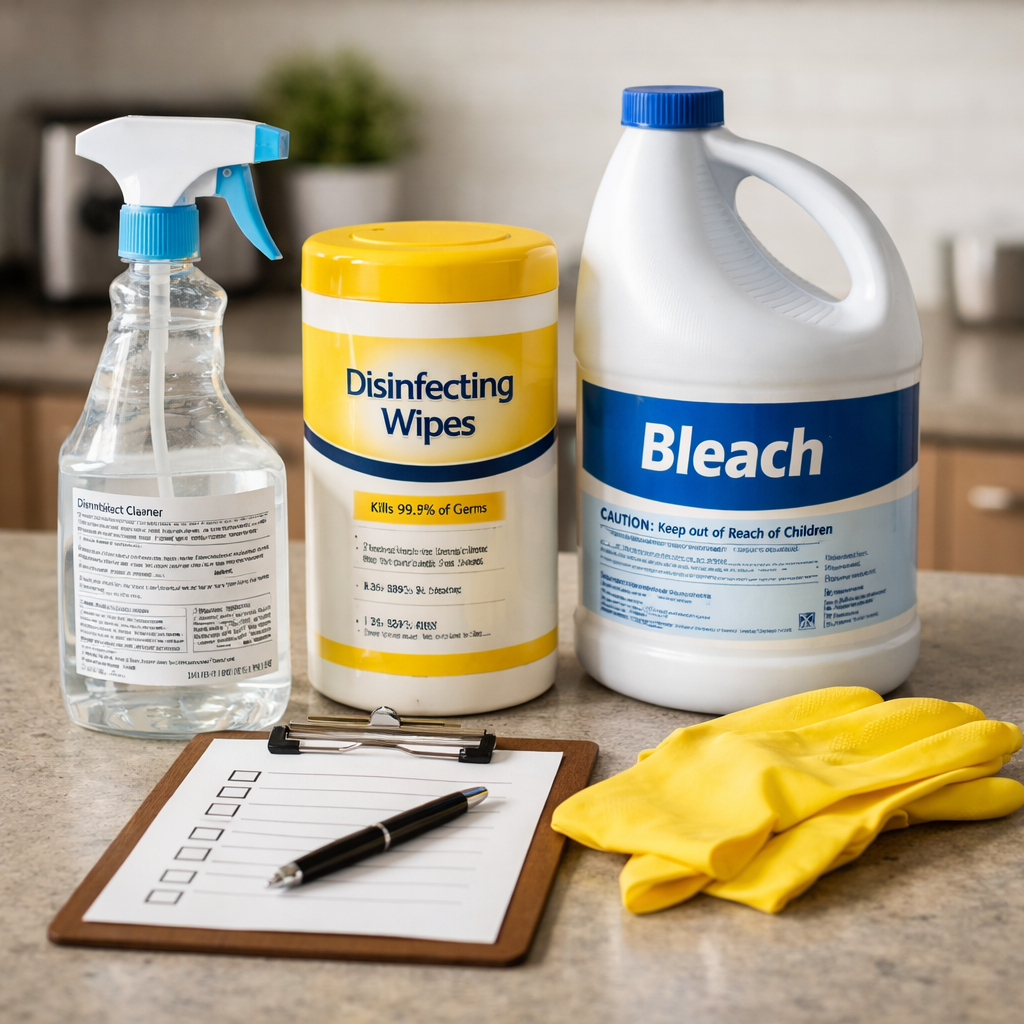
How to Choose the Right Home Sanitizing Cleaner, Confidently
A cleaner you can trust starts with three checkpoints: pick the right hygiene level (clean, sanitize, or disinfect), confirm the label (EPA Registration Number and, when needed, List N), and match safer actives to your surface and risk. For most homes, a two-cleaner strategy—daily low‑VOC cleaner plus a targeted EPA‑registered disinfectant—delivers excellent results with fewer harsh chemicals. Prioritize contact time, surface compatibility, and cost per use. Independent testing labs and public‑health resources agree: pre‑cleaning and correct dwell times matter more than brand promises, and 70% isopropyl alcohol is ideal for quick sanitizing of small, nonporous items, while hydrogen peroxide or citric acid products shine in bathrooms and high‑touch zones (see Wirecutter guidance). At Cleaning Supply Review, we evaluate cleaners on these factors so you can decide quickly and confidently.
Start with clean vs sanitize vs disinfect
Cleaning removes soil and many microbes with soap and water; it should come first, because dirt blocks germ contact. Sanitizing reduces most germs on nonporous surfaces to safe levels for food‑contact or kids’ items. Disinfecting kills a broader set of pathogens on hard, nonporous surfaces when label contact time is met.
Nonporous surfaces are hard, sealed materials (stainless steel, glass, glazed tile, many plastics) that don’t absorb liquid. Contact (dwell) time is the time a surface must stay visibly wet to meet the product’s kill claims.
| Step | Purpose | Typical actives/formats | Everyday examples |
|---|---|---|---|
| Clean | Physically remove soil and many microbes | Soap + water; all‑purpose spray; microfiber | Before meals; sticky spills; daily messes |
| Sanitize | Reduce most germs to safe levels on nonporous items | 70% isopropyl alcohol; food‑safe quats | Toys, cutting boards, highchairs |
| Disinfect | Kill a broader range of bacteria and viruses | Hydrogen peroxide, citric/lactic acid, NaDCC/bleach | Bathrooms; high‑touch points during illness |
Pre‑cleaning boosts performance by removing grime that blocks disinfectants from reaching germs, a point echoed in Wirecutter guidance.
Know the labels that matter
Start at the label. An EPA Registration Number verifies the disinfectant met efficacy and safety requirements when used exactly as directed. For virus‑specific needs (such as SARS‑CoV‑2), consult List N and, where possible, favor products designated under EPA’s Design for the Environment (DfE) program for safer disinfectants, as summarized in the UCSF Child Care Health Program notes. Cleaning Supply Review recommendations verify EPA Reg. No. and, when relevant, List N status before inclusion.
Look for third‑party seals that flag lower‑toxicity choices: EPA Safer Choice, Green Seal, UL ECOLOGO, and the DfE logo for disinfectants. Early‑childhood hygiene standards also steer buyers to these marks and rinse instructions for food‑contact surfaces in the child‑care hygiene guide.
- Micro‑glossary:
- EPA Registration Number: The unique identifier showing a disinfectant is proven effective and safe when used per its label.
- List N: EPA’s list of disinfectants expected to kill SARS‑CoV‑2 when used as directed.
Label check
- Find the EPA Registration Number (often “EPA Reg. No. XXXXX‑XX”) on the front or back label.
- Confirm List N only when you need virus‑specific assurance.
- Cross‑check for Safer Choice, Green Seal, ECOLOGO, or DfE logos to prioritize lower‑toxicity options.
Match the cleaner to the surface and use case
Food‑contact surfaces: Choose EPA‑registered products explicitly labeled for food‑contact use; follow any required rinse step. For routine prep zones, a Safer Choice cleaner plus hot water often suffices; sanitize boards and baby items as needed.
Bathrooms, tile, and grout: Hydrogen peroxide or citric acid disinfectants are effective and surface‑friendly. For periodic deep disinfection or moldy grout, use properly diluted bleach or NaDCC, taking care around delicate finishes.
Electronics and glass: 70% isopropyl alcohol can sanitize nonporous screens and glass. Leave visibly wet for around 30 seconds or follow the label’s contact time.
Soft/porous items: Many kill claims apply only to hard, nonporous surfaces. For fabrics and carpets, follow manufacturer care, launder when possible, or use products specifically labeled for soft surfaces.
Always pre‑clean. Organic soil can sharply reduce disinfectant efficacy; removing it first lets actives reach microbes effectively, as emphasized by Wirecutter guidance and infection‑control reviews. Cleaning Supply Review’s surface guides map actives to common materials to avoid damage.
Choose safer, effective active ingredients
Safer actives can deliver strong performance when used per label:
- Citric acid and lactic acid: Effective against many bacteria and some viruses; lower fumes; may require longer contact times.
- Hydrogen peroxide: Broad efficacy with minimal residue; good for bathrooms; can discolor textiles.
- Ethanol/isopropyl alcohol: Rapid sanitizing at 70%; fast‑evaporating, so re‑wetting may be needed for longer dwell times.
Alcohol percentage matters. A peer‑reviewed review on alcohol efficacy notes that 70% alcohol outperforms 99% for sanitizing because water slows evaporation and aids penetration; <50% offers little practical value.
Chlorine options perform well when needed. At 2,500 ppm available chlorine, sodium dichloroisocyanurate (NaDCC) and sodium hypochlorite (bleach) achieved at least a 6‑log reduction on nonporous surfaces in lab testing.
Suggested picks by use:
- Quick, small items: 70% isopropyl alcohol.
- Bathroom/high‑risk: Hydrogen peroxide or citric acid disinfectants.
- Mold/grout episodes: Properly diluted bleach with ventilation and full label dwell time.
Comparison at a glance:
| Active (example) | Best surfaces/uses | Pros | Watch‑outs |
|---|---|---|---|
| 70% isopropyl alcohol | Small electronics, knobs, glass | Fast; no residue | Flammable; dries quickly—may need re‑wetting |
| Hydrogen peroxide (0.5–3%) | Bathrooms, tile, tubs | Broad spectrum; low odor; minimal residue | Can bleach fabrics; store away from light |
| Citric/lactic acid | Kitchens, bathrooms, fixtures | Lower fumes; food‑adjacent compatibility | Longer dwell times; can etch some stones |
| NaDCC/bleach (diluted) | Grout, mold, outbreaks | Rapid, high‑level kill (6‑log at 2,500 ppm) | Strong odor; corrosive; never mix with acids or ammonia |
Plan a two-cleaner strategy for home use
Daily cleaning: Use a plant‑based, Safer Choice all‑purpose cleaner for routine messes to minimize VOCs and residue; microfiber boosts soil removal with less chemistry.
Targeted disinfection: Keep an EPA‑registered disinfectant for bathrooms, high‑touch areas, and illness periods. Confirm the required household disinfecting contact time and re‑wet if the surface dries early.
Apply it room by room:
- Kitchen: Clean counters after prep; sanitize cutting boards and toys using a wash‑rinse‑sanitize sequence when appropriate.
- Laundry: Wash at the warmest safe temperature and dry completely to reduce germs.
Explore our latest category comparisons of daily cleaners and EPA‑registered disinfectants on Cleaning Supply Review’s posts hub.
Apply correctly for real-world effectiveness
- Clean first with soap and water; soil blocks disinfectants from contacting germs.
- Apply the product so the surface stays visibly wet for the full contact (dwell) time on the label.
- If it dries early, re‑apply to meet the stated minutes.
- Ventilate the room, wear gloves as needed, and never mix products.
Fast facts:
- 70% alcohol can sanitize small, nonporous items—leave them wet for about 30 seconds or follow the label.
- Many disinfectants need minutes, not seconds; fast‑evaporating formulas often require re‑wetting to hit the time.
Contact time tips
- Use a timer; wet edges last.
- On vertical surfaces, apply more solution or use saturated wipes to prevent premature drying.
- For multi‑pathogen labels, default to the longest time listed for your target.
Balance performance, VOCs, scent, and cost per use
Choose fragrance‑free, dye‑free formulas to reduce VOC exposure and sensitivities. Not all all‑purpose cleaners disinfect; read labels for “sanitizer” or “disinfectant” and required times, a habit echoed by Good Housekeeping Institute tests.
Compare formats by cost per use:
- Example: A 32‑oz ready‑to‑use spray at $4 is $0.125/oz. If you use ~1 oz to cover ~10 sq ft, that’s about $0.013/sq ft.
- An 80‑count wipe canister at $6 is $0.075/wipe. If each wipe effectively covers ~2 sq ft, that’s about $0.038/sq ft—often pricier than sprays.
See Cleaning Supply Review’s pricing benchmarks for cost math you can adapt to bulk and refill buys.
Use microfiber to lower chemical load while improving soil removal; launder cloths and color‑code to prevent cross‑contamination.
Consider low-waste and alternative systems
Steam cleaning can sanitize sealed hard surfaces and grout without chemicals, cutting residues while removing grease. Refill concentrates and tablets reduce plastic and shipping weight; when selecting disinfectants, look for DfE‑listed options among safer disinfectant choices per the UCSF Child Care Health Program notes. Cleaning Supply Review’s low‑waste roundups flag DfE‑listed disinfectants where available.
Supportive practices that lower bioburden:
- Place floor mats and encourage shoe removal.
- Vacuum entry mats daily; HEPA vacuums capture more fine dust and microbes than standard models, improving hygiene in high‑traffic zones from the child‑care hygiene guide.
Storage, safety, and household protocols
Keep cleaners and hand sanitizers out of children’s reach; poison centers documented increased exposures during periods of heightened cleaning, according to a CDC analysis of cleaning‑chemical exposures. Never mix bleach with vinegar or ammonia—dangerous gases can result.
Bleach protocols:
- Add bleach to water (not water to bleach), ventilate well, and make fresh solutions daily; light and dilution degrade potency quickly.
- Clean first, apply, keep surfaces wet for label contact time, and keep children and pets away until dry.
Laundry: Wash items at the warmest safe temperature and dry completely to reduce germs and odors.
Frequently asked questions
How do I verify that a disinfectant is EPA registered and what does List N mean?
Find the EPA Registration Number on the label to confirm proven efficacy when used as directed. You can also use Cleaning Supply Review’s label checklists and picks, which note List N status when relevant.
What contact time should I follow if the label lists multiple pathogens?
Use the longest listed time for your target pathogen, or the general‑use time if none is specified. Cleaning Supply Review highlights required dwell times in our product summaries.
Are plant-based or fragrance-free options strong enough for bathrooms and high-touch areas?
Yes—when EPA‑registered and used per label. Cleaning Supply Review features options with safer actives like hydrogen peroxide or citric acid.
Can I use one product for wood, stone, stainless steel, and electronics?
Not typically. See Cleaning Supply Review’s surface‑by‑surface guidance to match products to materials.
When should I clean only, sanitize, or fully disinfect at home?
Clean daily messes with soap and water; sanitize food‑contact items and toys; disinfect bathrooms and high‑touch points during illness or for higher‑risk households. This aligns with Cleaning Supply Review’s two‑cleaner strategy for most homes.