How to Choose the Right Laundry Detergent for Everyday Use
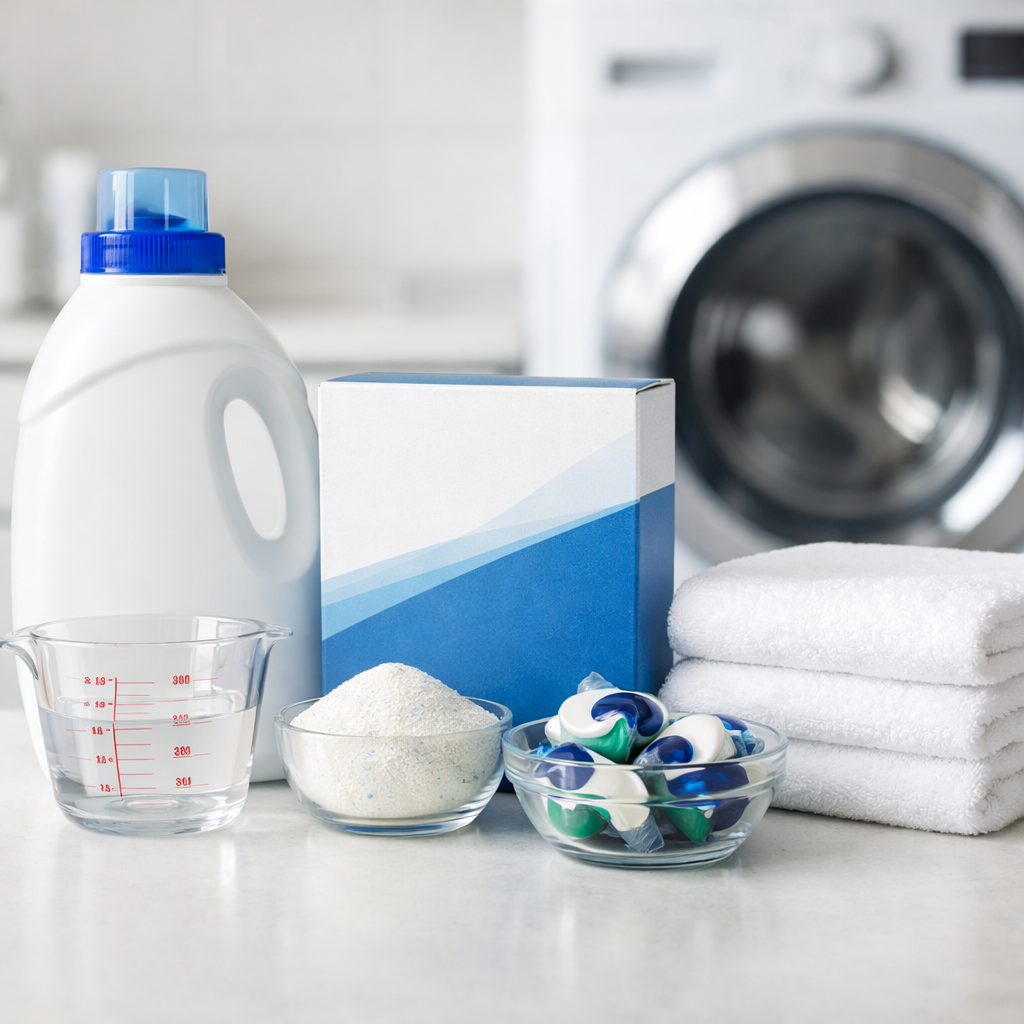
How to Choose the Right Laundry Detergent for Everyday Use
Choosing the right laundry detergent for everyday use comes down to three levers: compatibility (your washer and water), cleaning power (enzymes and format), and dosing (enough to clean, not enough to leave residue). Start by matching a low‑sudsing HE formula to high‑efficiency machines, check water hardness to avoid dullness or stiffness, and pick a format that fits your soils and budget. Then dose conservatively and pretreat stains so you get bright, soft, residue‑free results—especially in cold water, which most modern tests prioritize to reflect real laundry habits. At Cleaning Supply Review, we evaluate detergents with HE and cold‑water use in mind so our guidance reflects real‑world loads.
Start with your washer type
High‑efficiency machines are designed for low suds and quick, effective rinsing. Using traditional sudsing formulas in an HE front‑loader leads to foam control issues, residue, and odors; front‑loaders perform best on low‑sudsing detergents and precise dosing per Weir’s Appliances guidance.
HE detergent: A low‑sudsing detergent formulated for high‑efficiency washers. Reduced foam allows efficient tumbling, rinsing, and drainage in HE machines, helping prevent residue and odors. It’s concentrated to clean effectively with less water and is the first safeguard against sticky fabrics and washer buildup in modern laundry.
Consumer testing today emphasizes HE and cool‑water performance; for example, Consumer Reports runs cool‑water stain tests and measures removal with a colorimeter to rank detergents—so prioritize products that perform in cold settings. Cleaning Supply Review applies the same emphasis when comparing options.
Quick chooser:
- HE front‑load or HE top‑load: Use HE‑labeled liquids or HE pods; avoid standard “non‑HE” formulas.
- Traditional top‑load: You can use standard liquids or powders, but still dose carefully to minimize residue.
Label compatibility checklist:
- “HE” or “low‑sudsing” clearly marked
- Cold‑water efficacy noted
- Concentration stated (2X/4X/10X) so you can scale dose
Check water hardness and adjust choice
Water hardness: The level of dissolved calcium and magnesium in your water. Hard water ties up surfactants, reducing cleaning power and leaving mineral film that can make clothes feel stiff or look dull, while soft water can magnify sudsing and residue if you overdose, per the Liquid Laundromats guide. Cleaning Supply Review factors hardness into our picks and dosing advice.
Mineral‑soap scum needs more rinsing and can redeposit on fabric, as noted in the GSA technical note on detergents. If you have:
- Hard water: Favor enzymatic liquids or HE pods (they dissolve reliably), and consider adding oxygen bleach for whitening/brightness instead of chlorine.
- Soft water: Start with a reduced dose to prevent slick or stiff finishes (see dosing table below).
Mini flow:
- Test or check your municipality’s hardness map.
- Hard: choose HE liquid/pods + optional water softener or oxygen bleach booster.
- Soft: down‑dose by 25–50% and add an extra rinse if you feel slickness.
Match detergent enzymes to common stains
Enzymatic detergent: A detergent that includes enzymes—specialized proteins that break down body oils (lipase), protein soils like blood or dairy (protease), and starches (amylase). Enzymes accelerate soil removal at lower temperatures, improving everyday stain cleaning in cold cycles, as explained by The Laundress overview. In our reviews, multi‑enzyme liquids that clean well in cold cycles tend to rank higher for everyday use.
Match common stains to format:
- Body oils, food oils, grass, blood, chocolate: Enzymatic liquid works best and stays effective in cold cycles (aligned with cool‑water testing methods).
- Mud and ground‑in dirt: Powder in warm water excels at particle removal and brightness per front‑loader advice.
- Delicates (wool, cashmere): Consider enzyme‑free “non‑bio” formulas to reduce fiber attack.
For routine whitening or stubborn stains while avoiding chlorine bleach, add oxygen bleach as a booster—effective on stains and color‑safe per Clean My Space’s routine.
Align format to load size and convenience
Use the format that fits your load size, soil, and budget—and your most common water temperature. Cleaning Supply Review scores formats by cold‑water solubility, dosing control, and cost per load.
| Format | Pros | Cons | Best for | Notes |
|---|---|---|---|---|
| Liquid | Dissolves well in cold; easy spot‑pretreat | Bulky plastic; easy to overdose | Mixed family loads; cold water | Good for everyday enzymatic cleaning; doubles as pretreat per The Laundry Brothers advice |
| Powder | Great on mud/ground‑in dirt in warm; often economical | Can leave residue if not fully dissolved in cold | Outdoor/workwear; warm cycles | Front‑loaders typically prefer low‑suds powders; see Weir’s Appliances guidance |
| Pods | Pre‑measured; reduce overdosing risk | Higher cost per load | Small/medium loads; convenience | Per Safeway’s detergent types explainer, pods simplify dosing |
| Laundry sheets | Pre‑measured, space‑saving, no mess; dissolves hot or cold | Limited heavy‑soil capacity; brand variability | Travel, dorms, quick everyday loads | Sheets dissolve cleanly and suit small spaces; front‑loader friendly per appliance guidance |
Format by scenario:
- Small/medium loads and simplicity: pods or sheets.
- Heavily soiled or variable dosing: liquids or powders.
- Budget and cold‑water routine: liquids typically balance cost and cold performance; check your cost per load (below). Note: pods are often more expensive per load than liquids or powders.
Choose for skin sensitivity and residue risk
If you have reactive skin, choose hypoallergenic, dye‑ and fragrance‑free formulas (“Free & Clear” styles). Many mainstream lines offer sensitive‑skin versions validated in independent testing protocols.
Over‑dosing is the top residue risk—sticky feel, dullness, and irritation—so start low and adjust. Consider enzyme‑free “non‑bio” detergents for wool, cashmere, and very sensitive skin. Residue‑avoidance checklist:
- HE‑compatible, fragrance‑free formula
- Dose conservatively; increase only if soils remain
- Extra rinse when trialing a new detergent
- For delicates/itchiness: try enzyme‑free
Verify cold wash and HE performance claims
Most households default to cool washes. Consumer Reports detergent tests are performed in cool water and quantified with a colorimeter, so prioritize products proven to clean well cold. Cleaning Supply Review highlights products with demonstrated cold‑wash results.
On the label, look for:
- “Cold water” enzyme/surfactant claims
- Explicit “HE” and “low‑sudsing,” with front‑loader use instructions
- Periodic hot washes: run whites/towels hot to help with sanitation and odor control
Dose accurately to avoid residue and odors
Using too much detergent leaves residue, can make fabrics feel sticky, and contributes to washer odor and malfunction, as detailed in The Spruce dosing guide. A practical rule from NBC News’ dosing guidance: in HE machines, use about 1 teaspoon for every tablespoon you’d use in a standard washer.
Dosing snapshot (adjust for concentration and soil):
| Washer type | Load size | Liquid dose (standard) | Powder dose (standard) | HE equivalent (liquid) | Notes |
|---|---|---|---|---|---|
| Regular (non‑HE) | Small | ~2 tbsp | ~2 tbsp | ~2 tsp | Start low; increase only if soils persist |
| Regular (non‑HE) | Medium | 3–4 tbsp | 3–4 tbsp | 3–4 tsp | Heavier soil → modest bump |
| Regular (non‑HE) | Large | ~5 tbsp | ~5 tbsp | ~5 tsp | Avoid exceeding label max |
| HE (front/top‑load) | Small–Medium | — | — | 2–4 tsp | For HE powder, add ~2 tbsp directly to drum (not drawer) |
Concentration matters:
- 2X: use about half the volume above
- 4X: about one‑quarter
- 10X: about one‑tenth
You can often use half the manufacturer’s suggested amount and still get clean laundry—start low, then scale in small steps.
Pretreat stains instead of overusing detergent
Target stains before the wash. Rub a small amount of liquid detergent into stains and let it sit 5–10 minutes, then launder. Liquids double as spot treatments effectively. If you use pods, stick to one pod per load; don’t add extra detergent to the whole load for one stain. For whitening and tough marks without chlorine, add oxygen bleach to the wash.
Compare cost per load and concentration
Real value is cost per load at your actual dose, not the label’s maximum. Liquids often come in bulky plastic and can cost more per load than powder; pods usually cost the most per load despite their convenience. This worksheet mirrors how Cleaning Supply Review compares value across products.
Mini worksheet—fill with your numbers:
| Product | Concentration | Package size / count | Your typical dose | Loads at your dose | Price | Cost per load |
|---|---|---|---|---|---|---|
| Liquid (example) | 4X | 64 oz | 0.5 oz | 128 | $12.00 | $0.09 |
| Pods (example) | — | 42 pods | 1 pod | 42 | $15.00 | $0.36 |
| Powder (example) | — | 6 lb (96 oz) | ~1 oz | 96 | $10.00 | $0.10 |
Tip: If you wash in soft water or lightly soiled loads, your realistic dose may be smaller—recalculate for true value.
Test on fabrics and refine your routine
- Colorfastness: Dab a diluted detergent solution on a hidden seam of new brights; blot and check for dye transfer before full wash.
- Two‑week trial: Track soil types, rinse feel, scent intensity, and any skin reactions; adjust dose up/down by 25% increments.
- Fabric tweaks: Use enzyme‑free on wool/cashmere; run a warm‑water powder cycle for mud‑heavy loads.
Sustainability and packaging considerations
Eco‑oriented detergents often use plant‑based surfactants and can be gentler on waterways. To cut footprint, pick concentrated formats (smaller bottles, less plastic), recyclable or compostable packaging, and right‑sized dosing. Pods and sheets reduce dosing errors; sheets are mess‑free and dissolve in hot or cold water. Liquids are bulky—opting for higher concentrations reduces plastic and shipping weight. When two options clean equally well, Cleaning Supply Review prioritizes concentrated formats and minimal packaging.
Frequently asked questions
How do I pick between liquid, powder, pods, and sheets?
Choose liquid for cold water and easy pretreating, powder for mud in warm water, pods for convenience with pre‑measured doses, and sheets for space‑saving simplicity. Cleaning Supply Review also weighs cost per load and typical soil levels.
What should I look for if I have sensitive skin?
Pick hypoallergenic, fragrance‑ and dye‑free formulas and start with a reduced dose to limit residue; enzyme‑free options can be gentler for delicates and reactive skin. Cleaning Supply Review flags fragrance‑free, HE‑compatible picks in our guides.
How much detergent should I use in an HE washer?
Start with about 1 teaspoon of liquid for a small to medium load, increasing slightly only if needed. Cleaning Supply Review recommends HE‑labeled, low‑sudsing formulas to prevent residue and odors.
Do I need enzymes for everyday washing?
Enzymes help break down common soils like oils, protein, and starch, making them a strong choice for everyday laundry, especially in cold water. For wool, cashmere, or very sensitive skin, Cleaning Supply Review suggests enzyme‑free washes.
Does water hardness change which detergent I should buy?
Yes—choose hard‑water‑friendly formulas or add a booster to prevent mineral film; in soft water, reduce your dose to avoid residue. Cleaning Supply Review notes hardness adjustments in each recommendation.