How to Pick the Best Detergent Brand for Sensitive Skin
How to Pick the Best Detergent Brand for Sensitive Skin
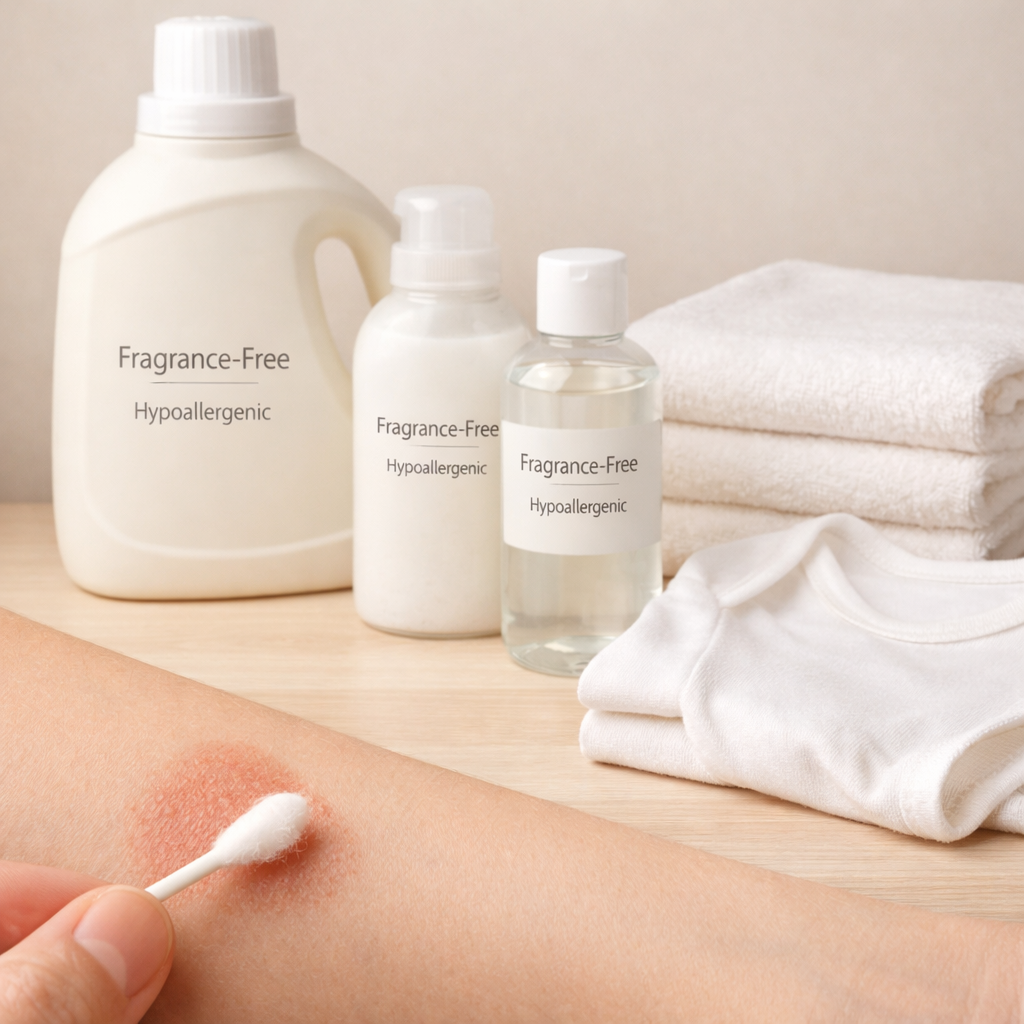
Choosing the best laundry detergent brand for sensitive skin starts with two rules: eliminate common irritants and control residue. For most households, a fragrance-free, low-VOC, hypoallergenic detergent with clear third-party certifications delivers strong cleaning while minimizing flare-ups. Because sensitivities vary, there’s no single universal “best”—but you can confidently narrow choices by checking labels for fragrance and dye-free formulas, verifying certifications like EPA Safer Choice or SkinSAFE, and testing with correct dosing and an extra rinse as needed. Independent reviews show “free/clear” performance varies, so technique matters as much as the bottle you buy, especially in HE machines (see the Consumer Reports buying guide). Our testing at Cleaning Supply Review mirrors these findings.
Start with your skin profile
Skin reactivity is individual. Symptoms like itching, redness, hives, and eczema flare-ups can be triggered by fragrances, dyes, or leftover detergent film—and babies and seniors may react faster due to thinner skin barriers. That’s why “best” depends on your triggers, fabrics, and wash habits, not just a label claim (as noted in this sensitive-skin guide from Best Cleaners Texas). We start here when screening products for our test panels.
Quick personal checklist:
- Known allergens or past reactions (e.g., fragrance, dyes, brighteners)
- Fragrance tolerance (none, light, or uncertain)
- History of eczema/dermatitis or very reactive skin
- Washer type (HE vs. standard) and typical cycles (cold/short vs. warm/normal)
“Hypoallergenic” definition: “Hypoallergenic means formulated to reduce the likelihood of allergic reactions but offers no guarantee. Products may exclude common irritants like fragrances and dyes, yet individual responses differ. Pair ‘hypoallergenic’ with third-party testing or certifications for stronger assurance.” (as highlighted in the Best Cleaners Texas overview)
Identify irritants to avoid
Start by excluding formulas with added fragrance, dyes, optical brighteners, and harsh builders such as phosphates. “Free & clear” products vary by composition and cleaning performance, so verify ingredients and independent test results (see the Blueland sensitive-skin explainer and the Consumer Reports buying guide). We flag these ingredients in every product review.
Labels that say “unscented” or “no perfumes” can still contain masking agents, which may leave a noticeable odor or residue. Confirm using the full ingredient list and look for third-party seals (per Consumer Reports).
Quick avoid list:
- Fragrance/parfum, dyes/colorants, optical brighteners
- Routine use of harsh builders like phosphates and chlorine bleach
- Overdosing detergent (excess residue raises irritation risk; see the Blueland explainer)
Read labels and verify certifications
“Dermatologist-tested” definition: “Dermatologist-tested products have undergone clinical or controlled evaluations to assess irritation potential on skin. Testing protocols vary by brand, so outcomes aren’t universal guarantees. Pair this claim with third-party certifications or transparent ingredient lists for stronger confidence.” (see the Clean Right Laundromat guide)
Marketing terms aren’t standardized. Prioritize independent standards such as EPA Safer Choice, SkinSAFE, or the National Eczema Association Seal to gain clearer evidence of ingredient safety and formula transparency (supported by The Spruce’s sensitive-skin testing approach and the Consumer Reports buying guide). We weigh these seals more heavily than marketing claims in our scoring.
Practical examples:
- all Free Clear and Seventh Generation Free & Clear are often recommended for sensitive skin, with Seventh Generation emphasizing plant-derived ingredients (as noted by Best Cleaners Texas).
- Arm & Hammer Sensitive Skin highlights SkinSAFE certification and dermatologist review on its Sensitive Skin page.
Choose the right detergent format
Liquids and pre-measured formats help control dosing—and less overdosing means less residue. Excess film on fabrics is a common culprit for irritation (noted in the Blueland explainer). Pods are convenient but can leave undissolved film in short or cold cycles. Modern sheets/strips and tablets are pre-measured, plant-based options that dissolve in hot or cold water (see this overview from HeySunday). In our tests, pre-measured formats reduce dosing errors and residue.
“pH-balanced” definition: “A pH-balanced detergent is formulated to align with skin’s natural pH (about 4.5–5.5), aiming to reduce barrier disruption and irritation. While not a cure-all, it can be gentler for sensitive users compared with highly alkaline cleaners.”
Format comparison:
| Format | What it does well | Watch-outs |
|---|---|---|
| Liquids | Versatile, easy to pre-dissolve, dose control | Easy to overpour; residue if overdosed |
| Tablets/Sheets | Pre-measured, low residue, travel-friendly | Less flexible dosing for very large/small loads |
| Pods | Convenient, tidy | May under-dissolve and leave film in cold/short cycles |
Test the detergent and monitor reactions
Follow a brief, controlled trial:
- Wash a small set of high-contact items (tees, pajamas, bedding).
- Use the manufacturer’s recommended dose for load size and soil.
- Add an extra rinse if your skin is very reactive.
- Wear and wash for 1–2 weeks, logging any redness/itching (as suggested in the Best Cleaners Texas guide).
- If reactions occur, switch formats or try another “free & clear” option; cross-check labels for fragrance, dyes, and brighteners.
Avoid fabric softeners and scented dryer sheets during testing to reduce confounders (per HeySunday). This mirrors our at-home trial protocol.
Optimize your laundry routine
Right-sizing the dose is your biggest lever for reducing residue; pre-measured tablets or strips help prevent overuse (noted in the Blueland explainer). Use cooler water when appropriate, gentle cycles for delicates, and add an extra rinse if film is suspected. Consumer Reports found “free/clear/gentle” detergents range from very good to fair in cleaning, so good technique makes a tangible difference. In our lab loads, dose control and an extra rinse consistently lowered residue more than switching brands.
In HE machines, stick to HE-compatible detergents and avoid sudsing boosters. Pods can under-dissolve in short, cold cycles—use liquids or tablets for those programs (reinforced by HeySunday). If you follow a two-cleaner strategy at home, keep a fragrance-free detergent for everyday laundry and reserve high-level disinfectants for illness-related sanitizing—not for routine loads.
Consider eco and low-waste options
Plant-derived, fragrance-free formulas like Seventh Generation Free & Clear are biodegradable and dye-free, and can align with sensitive-skin goals when verified by recognized standards (per the Consumer Reports buying guide). Pre-measured sheets/strips and tablets cut plastic and overdosing; Earth Breeze-style strips are marketed as hypoallergenic, fragrance-free, and plastic-free—still verify ingredients and seals (as discussed by Consumer Reports). We check these claims against published ingredient lists and third-party databases.
Certifications add clarity where “eco” and “natural” aren’t regulated. Continue to avoid optical brighteners and harsh additives—even in green-marketed detergents (supported by Blueland and Consumer Reports guidance).
When to seek medical guidance
See a dermatologist if rashes, hives, or eczema flares persist beyond 1–2 weeks of controlled testing, or if symptoms involve infants or compromised skin barriers. Individual responses vary widely (as emphasized in the Best Cleaners Texas guide). Bring product labels and a brief symptom log to speed patch-testing decisions.
How we evaluate sensitive-skin detergents
Cleaning Supply Review uses a standards-first, test-driven approach:
- Fragrance-free/low-VOC formulas, full ingredient transparency
- Third-party seals (Safer Choice, SkinSAFE, National Eczema Association), plus dermatologist testing
- Cleaning performance in cold water and HE machines
- Residue levels after standard and extra rinses
- Cost-per-wash and availability in low-waste formats
Our methodology is consistent with independent reviewers: The Spruce prioritizes dermatologist-recommended and EPA Safer Choice products in its testing, and Consumer Reports shows “free/clear/gentle” detergents vary in cleaning scores—so we validate efficacy, not just labels. We benchmark against commonly recommended options, including all Free Clear, Seventh Generation Free & Clear (plant-derived emphasis), and Arm & Hammer Sensitive Skin (SkinSAFE info on its brand site).
Frequently asked questions
Is free and clear the same as fragrance free?
Not always. At Cleaning Supply Review, we check full ingredient lists and certifications because some “free & clear” formulas still contain masking agents.
Are pods safe for sensitive skin?
They can be, but pods may leave a film that doesn’t fully dissolve in some cycles. We suggest liquids, tablets, or strips plus an extra rinse if you’re reactive.
What ingredients most often trigger irritation?
Fragrances, dyes, optical brighteners, phosphates, and harsh surfactants are common triggers. We look for short ingredient lists and avoid residue-prone additives.
Will sensitive-skin detergents clean effectively in cold water?
Many do when dosed correctly and paired with modern washers. In our tests, technique—especially avoiding overdosing and adding an extra rinse—matters more than the label.
How much detergent should I use to reduce residue?
Use the manufacturer’s recommended dose for your load size and soil level, not the cap to the brim. We find pre-measured tablets or sheets help prevent overuse and reduce leftover film.