Hypoallergenic, Fragrance-Free Cleaning Brands That Protect Sensitive Families
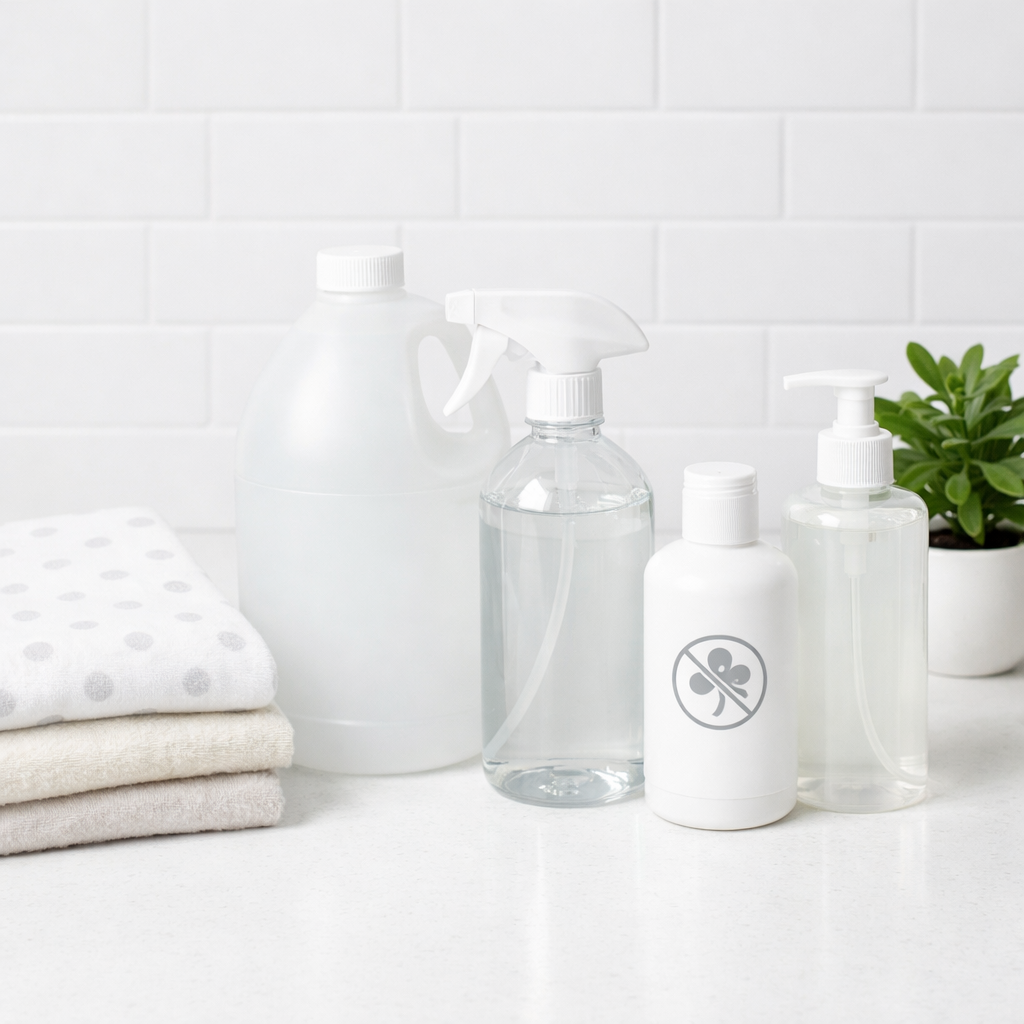
Hypoallergenic, Fragrance-Free Cleaning Brands That Protect Sensitive Families
Families with sensitive skin, asthma, babies, pets, or chemical sensitivities often do best with fragrance-free cleaners that minimize irritants without sacrificing performance. Below, Cleaning Supply Review identifies the best fragrance-free hypoallergenic cleaning brands for sensitive families, explains what certifications and ingredient transparency actually mean, and maps you to safe, effective choices by room and task. Leading health and consumer sources agree: fragrance-free cleaning is recommended for households with vulnerable members, and a truly clean home smells neutral—not perfumed (see Branch Basics’ fragrance-free cleaning guidance) Fragrance-free cleaning guidance.
Why fragrance-free matters for sensitive families
Fragrance-free products reduce exposure risks for babies, pregnant people, pets, and chemically sensitive family members by removing a major class of irritants and sensitizers from the home. Children breathe faster and play closer to floors and fabrics, which elevates their dose of any residues; pediatric experts emphasize minimizing unnecessary chemical exposure during early development, a principle echoed in consumer-facing guidance from Truly Free Guide for sensitive homes. The core mindset shift: cleaner doesn’t mean “more scented.” A healthy, cleaned space should smell neutral. Cleaning Supply Review aligns with this principle in our recommendations.
Hypoallergenic means a formula is designed to minimize common irritants (like fragrances and dyes) and reduce the likelihood of allergic reactions. The term isn’t strictly regulated, so credible support looks like transparent ingredients and dermatologist-reviewed or RIPT (Repeat Insult Patch Test) data demonstrating low irritation potential.
How we evaluate hypoallergenic cleaning brands
Cleaning Supply Review’s scoring blends ingredient transparency, third-party verifications, and measurable performance. We prioritize products with no added fragrance (including essential oils) for sensitive users, strong disclosure practices, and low-residue results on common surfaces and textiles.
What we measure and why:
- Ingredient transparency: Full, plain-language lists on product pages; no vague buckets like “fragrance” or “surfactant.” Consumer Reports advises choosing brands that disclose specific ingredients and avoiding generic terms such as “fragrance,” “surfactant,” “cleaning agent,” and “carrier” Consumer Reports guidance.
- Verification: EWG VERIFIED, MADE SAFE, EPA Safer Choice; dermatologist-tested or RIPT claims with test counts where available.
- Performance: Proper dilution ranges, dwell time needed, rinse requirements, film/residue on surfaces, and HE-washer compatibility.
- Safety for sensitive users: No undisclosed fragrance or essential oils; preservative choices with lower sensitization profiles.
How we compare products (snapshot of our rubric):
| Criterion | What we look for | Why it matters |
|---|---|---|
| Certification status | EWG VERIFIED, MADE SAFE, EPA Safer Choice; dermatologist/RIPT claims | Independent screens and testing increase confidence in low-irritant design |
| Fragrance policy | Explicit “fragrance-free” across SKUs; no masking agents or essential oils | Reduces major triggers for skin and respiratory reactions |
| Key ingredients | Enzymes (laundry), mineral acids/alkalis (bath), peroxide (mildew), mild surfactants | Matches chemistry to soil type while limiting harsh additives |
| Residue profile | Low film on glass, counters, textiles; rinses clean | Minimizes lingering exposure and texture issues |
| Material compatibility | Safe on stone, stainless, sealed wood, fabrics (as labeled) | Reduces damage risk and need for rework |
| HE laundry performance | Low-sudsing, effective in cold | Prevents machine buildup and saves energy |
| Cost-per-use | Concentrates/refills priced by in-use dilution | TCO clarity for budgets and subscription planning |
What to look for on labels and certifications
Fragrance-free vs. unscented: fragrance-free means no fragrance ingredients are added; unscented can still include masking agents. For sensitive households, prioritize explicitly fragrance-free labeling Fragrance-free vs. unscented explainer.
Fragrance components aren’t always required to be listed individually. California law has pushed broader ingredient disclosure on labels and brand websites—use this to verify specifics rather than accepting vague categories Label disclosure and CA rules.
Trusted indicators:
- EWG VERIFIED emphasizes transparent disclosure and ingredient hazard screening; Heritage Park describes it as an elite designation for safer choices EWG VERIFIED context.
- MADE SAFE screens for known harmful substances across product categories.
- RIPT/dermatologist-tested claims indicate structured human patch testing; some hypoallergenic brands cite dozens of RIPT panels to substantiate low-irritant claims Hypoallergenic support and testing.
Ingredients and allergens to avoid
- Synthetic fragrances are among the world’s top allergens and can include substances associated with endocrine disruption, asthmagenicity, obesogenic effects, neurotoxicity, and carcinogenicity; the safest way to freshen air is to remove odor sources, not mask them Fragrance risks and odor source removal.
- Essential oils—even “natural” scents—can irritate skin, eyes, and lungs or trigger headaches and asthma. For highly sensitive users, fragrance-free beats essential-oil alternatives Essential oil sensitivity.
- Practical red flags on labels: undisclosed “fragrance” (umbrella for 3,000+ chemicals), phenoxyethanol, ethoxylates (e.g., laureth-7), methylisothiazolinone, optical brighteners, and dyes—watch for these even in “green” products Greenwashing watchlist.
Top fragrance-free brand short list
Below are fragrance-free options we see performing well for sensitive households. Always verify each SKU is explicitly labeled “fragrance-free” (not merely “unscented”), and note enzyme profiles or concentrate formats that improve performance and total cost. Selections reflect Cleaning Supply Review’s criteria above.
| Brand | Category | Fragrance Policy | Notable Testing/Certs | Key Ingredients | Ideal Use | Cost-Per-Use (est.) |
|---|---|---|---|---|---|---|
| Puracy | All-purpose cleaner | Fragrance-free SKUs available | Recognized by eco-curation lists for clean ingredient decks Non-toxic all-purpose cleaner roundup | Plant-derived surfactants; mineral builders | Daily kitchen/bath wipe-downs; glass with proper dilution | $0.15–$0.35 per 16 oz in-use (concentrate) |
| Puracy Laundry Detergent | Laundry | Fragrance-free option | Positive mentions in low-tox cleaning features Enzyme-forward laundry context | Enzyme blend: protease, amylase, lipase, mannanase | Mixed-family loads, stain removal in cold water | $0.12–$0.25 per load (concentrate) |
| Heritage Park | Laundry detergent | Fragrance-free line | Hypoallergenic positioning with dermatologist/RIPT testing; highlights EWG VERIFIED status among top-tier products Hypoallergenic laundry insights | Short, plant-based surfactants; no dyes/brighteners in FF SKUs | Sensitive skin, baby clothes, delicates | $0.20–$0.40 per load (liquid/pods) |
Notes:
- Enzyme detergents can boost cleaning at low temps and reduce rewash cycles, which matters for sensitive users limiting exposure and for cost control.
- Cost estimates reflect typical online pricing and standard dilutions; confirm current pricing and HE dosing for your machine.
Cleaning Supply Review does not accept payment for placement. Our picks are based on ingredient transparency, certifications, and performance characteristics relevant to sensitive homes.
Best use cases by room and task
Kitchen
- Enzyme all-purpose cleaner for cooked-on grease and food soils.
- Fragrance-free dish soap for handwashing and degreasing pre-soaks.
- Microfiber plus hot water for daily counters and appliance fronts to minimize residues.
Bathroom
- Mineral/acid cleaners for limescale and soap scum on tile and fixtures.
- Peroxide-based cleaners for mildew-prone grout and caulk.
- Fragrance-free toilet gel with directed dwell time; ventilate well.
Laundry
- Enzyme detergent in cold water; avoid optical brighteners and dyes; add an extra rinse for severe sensitivities Laundry practices for sensitive skin.
DIY basics
- Distilled white vinegar diluted with water works on many tiles and glass as a fragrance-free option; avoid using vinegar on natural stone (etching risk) DIY and material caveats.
Practical home strategies for low-exposure cleaning
- Ventilate before, during, and after cleaning; the safest way to freshen a home is removing odor sources rather than masking them Odor source removal approach.
- Choose fragrance-free detergents without masking agents; if reactions persist, double-rinse and trial cold-water enzyme formulas for efficiency and gentleness Detergent and rinse strategy.
- Quick checklist: open windows, use gloves/masks if needed, clean when vulnerable users are away, and store chemicals sealed and out of reach.
Pricing, formats, and total cost of ownership
Concentrates and refills lower cost-per-use and reduce packaging, often with equal or better performance when diluted correctly. Enzyme laundry detergents work in cold water, potentially lowering utility costs over time.
TCO snapshot (illustrative math)
| Format | Typical Size | Dilution/Use | Price Example | In-Use Cost | Refills Available | Packaging Weight |
|---|---|---|---|---|---|---|
| All-purpose concentrate | 16–32 oz | 1:10–1:20 | $12–$18 | $0.15–$0.35 per 16 oz bottle | Yes (bulk/refills) | Low per clean |
| RTU all-purpose | 16–28 oz | Ready to use | $4–$8 | $4–$8 per bottle | Sometimes | Higher per clean |
| Laundry concentrate | 20–50 loads | HE dosing 0.5–1 oz | $10–$20 | $0.12–$0.40 per load | Yes (pouches/jugs) | Moderate |
| Laundry pods | 20–40 pods | 1 pod/load | $10–$20 | $0.25–$0.50 per load | Varies | Higher |
Scenario math
- A 32-oz all‑purpose concentrate at 1:16 makes ~4.25 gallons (68 bottles at 8 oz use), dropping per-bottle cost dramatically vs. RTU multipacks.
- For laundry, accurate HE dosing (0.5–0.75 oz) can cut costs 20–40% compared with over-pouring standard caps.
Pitfalls and greenwashing to watch for
- “Fragrance” can hide 3,000+ chemicals; some “natural” brands still add proprietary natural fragrances or essential oils—verify the label each time Greenwashing watchlist.
- Avoid ambiguous terms: “fragrance,” “surfactant,” “cleaning agent,” “carrier,” and push brands for explicit ingredient lists as Consumer Reports advises Specific ingredient disclosure matters.
- Watchlist ingredients common in “better-not-best” options: phenoxyethanol, ethoxylates (laureth-7), methylisothiazolinone, optical brighteners, and dyes Greenwashing watchlist.
How to transition your home to fragrance-free
- Start with laundry—it’s the biggest fragrance exposure, and residues remain on fabrics and bedding Sensitive-home prioritization.
- Replace high-touch surface cleaners with verified fragrance-free options (check each SKU).
- Ventilate, clean when sensitive users are out, and add extra rinse cycles during the switch.
- Remove odor sources; avoid masking sprays—a clean home smells neutral Neutral-home principle.
- Track reactions by product; maintain a keep/avoid list per brand and formula.
Quick label-screening checklist:
- “Fragrance-free” explicitly stated (not “unscented”)
- Full ingredient list available online
- No optical brighteners or dyes
- Recognized verification (EWG VERIFIED, MADE SAFE) or dermatologist/RIPT testing
Frequently asked questions
What does hypoallergenic mean for cleaning products?
Hypoallergenic means formulated to minimize common irritants like fragrances and dyes, reducing the chance of reactions. At Cleaning Supply Review, we look for dermatologist or RIPT testing plus full ingredient transparency.
What is the difference between fragrance-free and unscented?
Fragrance-free means no scent ingredients are added at all, while unscented may use masking agents that can still trigger sensitivities. For highly sensitive households, Cleaning Supply Review recommends choosing explicitly fragrance-free.
Are fragrance-free cleaners as effective as conventional products?
Yes—enzyme and mineral-based fragrance-free formulas can match conventional performance when you use proper dilution, dwell time, and task-specific chemistry.
Which certifications signal safer, low-irritant formulas?
EWG VERIFIED, MADE SAFE, and dermatologist/RIPT testing, alongside brands that publish full ingredient lists, are strong signals of lower-irritant, more transparent formulas. Cleaning Supply Review prioritizes brands that publish full ingredient lists.
How can I reduce reactions when cleaning or doing laundry?
Ventilate during and after cleaning, choose fragrance-free products with full disclosure, and add extra rinse cycles for laundry. Cleaning Supply Review also suggests cleaning when sensitive family members are out and storing products tightly sealed.