Switching to Green Cleaners: Best Non-Toxic Products for Beginners
Switching to Green Cleaners: Best Non-Toxic Products for Beginners
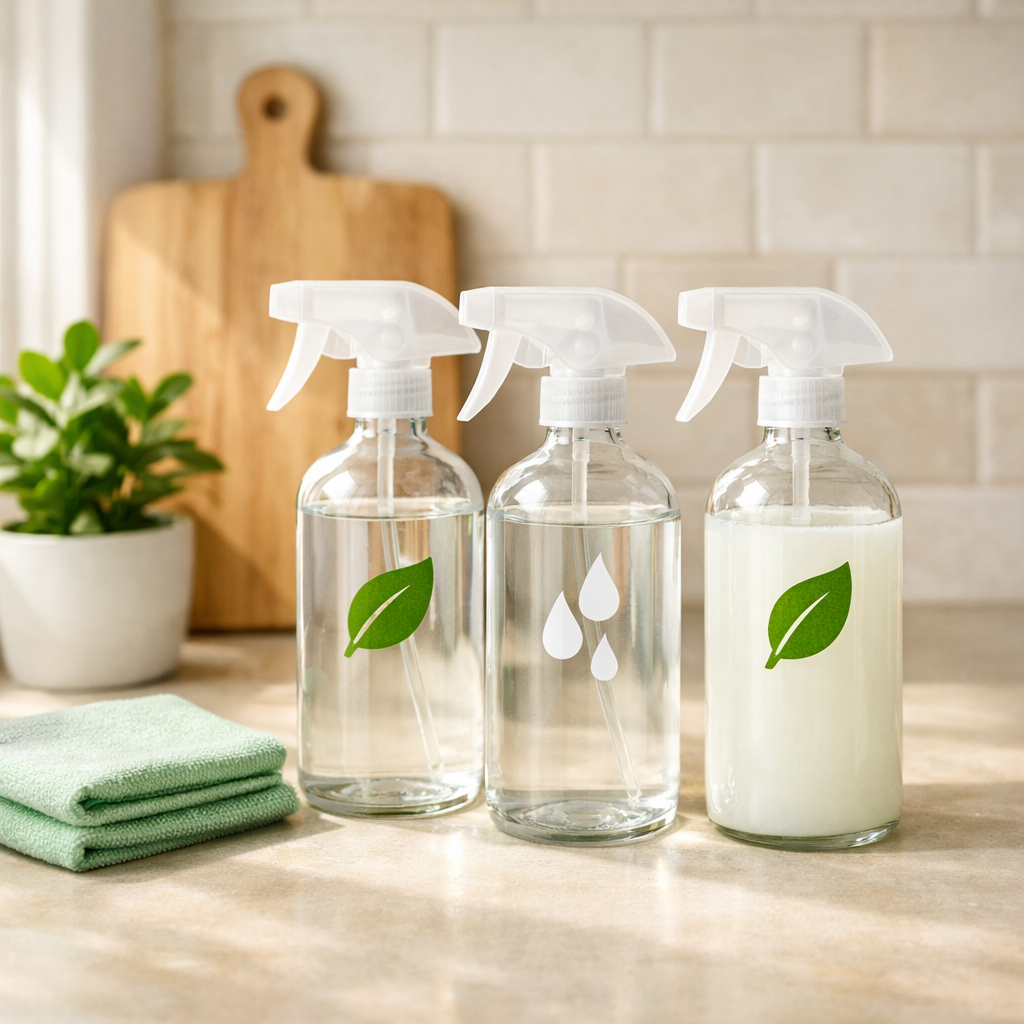
Making the switch to greener cleaning doesn’t mean compromising on cleanliness. For beginners, the simplest path is a two-cleaner strategy: use a plant-based, low-VOC everyday cleaner for routine messes and keep an EPA-registered disinfectant on hand for targeted jobs (check EPA List N for pathogens and contact times). Green or eco‑friendly cleaners are products formulated to cut soils using safer surfactants and solvents, reduced volatile organic compounds, and transparent ingredient lists. They prioritize performance with fewer hazardous chemicals, often carry third‑party certifications, and come in low‑waste formats such as concentrates, refills, tablets, or powders.
How to start:
- Pick 1–2 swaps (an all-purpose cleaner plus dishwasher or laundry detergent).
- Test on your top three surfaces, and confirm the scent works for your space.
- Track cost-per-use for two weeks to see what actually saves money.
Note: well-formulated plant-powered cleaners handle everyday grime, but disinfection requires EPA-registered products—and vinegar is not an EPA-registered disinfectant (see Green Llama’s 2025 buyer’s guide).
Cleaning Supply Review
Our recommendations are standards-driven and evidence-based, rooted in hands-on testing. We:
- Run hands-on tests across common household soils.
- Verify EPA registrations and master labels for disinfectants; confirm third-party marks like EPA Safer Choice and UL Ecologo.
- Assess VOC levels, residues, contact times, and scent intensity, then calculate cost-per-use.
- Compare consumer and professional products and prioritize low-waste systems (refill pouches, tablets, concentrates, reusable bottles).
Low-VOC defined (40–50 words): Low‑VOC cleaners contain fewer volatile organic compounds—chemicals that evaporate into indoor air and can irritate eyes, lungs, and skin. Reducing VOCs helps limit odors and pollutants without sacrificing cleaning power. Prioritize fragrance‑free or very light essential‑oil formulas if indoor air quality or scent sensitivity is a concern.
We reinforce a two-cleaner strategy for safety and practicality: a daily plant-based cleaner plus a targeted, EPA-registered disinfectant. For more top-tested all-purpose options, see Cleaning Supply Review’s guide to safe, residue-free picks.
ECOS All-Purpose Cleaner
ECOS is a budget-friendly, plant-based spray with EPA Safer Choice certification that fits a low-VOC routine we recommend. It excels at day-to-day cleanup—think kitchen counters, appliance exteriors, sealed stone, and painted trim—but it’s not a heavy-duty degreaser.
Typical uses:
- Post-meal kitchen wipe-down on sealed counters and tables.
- Cleaning fridge shelves and microwave interiors.
- Quick touchups on doors, cabinets, and light switches.
- Step up to a specialized degreaser for ovens, range hoods, or baked-on pans.
Pros
- Low cost, widely available, Safer Choice certified
Cons
- May require a stronger degreaser for baked-on or industrial grease
Puracy Multi-Surface Cleaner
Puracy is a convenient, ready-to-use pick that performs well for families who prefer a gentle scent. It’s been recommended as a top non-toxic spray (Zenda PVS 8.8/10) and is biodegradable, hypoallergenic, and American-made. Tradeoff: it costs more per ounce than concentrates but wins on convenience for quick cleanups. See Zenda’s non-toxic cleaners guide and The Good Trade’s all-purpose cleaner picks for context.
Pros
- High convenience; family-friendly, light scents
Cons
- Higher cost-per-ounce versus concentrates
Branch Basics Starter Kit
This fragrance-free concentrate system suits scent-sensitive households and reduces plastic over time. Cited as “best fragrance-free whole-home system” (Zenda Lab PVS 9.0/10), one bottle of concentrate makes multiple cleaners—use the brand’s labeled dilutions for glass (light), all-purpose (medium), and bathroom (strong). Expect a short learning curve and a higher upfront kit price, with long-term savings through refills.
Pros
- Concentrated and versatile; fragrance-free
Cons
- Upfront kit cost is higher; requires mixing
Better Life Floor Cleaner
For sealed hard floors, Better Life’s mop-and-go formula delivers streak-free results and aligns with kid- and pet-friendly routines. Use a simple flow: vacuum or dust, dilute if directed, light mop with a damp pad, then dry. It contains essential oils; scent-sensitive users may prefer fragrance-free alternatives.
Pros
- Simple routine; streak-free on sealed floors
Cons
- Light essential-oil scent may not suit everyone
Seventh Generation Dishwasher Detergent
A fragrance- and dye-free powder that lowers plastic waste compared with pods, this detergent suits most everyday loads. Very heavy or baked-on loads may need a pre-rinse or soak. Note: pods often use PVA (polyvinyl alcohol), which raises microplastic/biodegradability questions (see Organically Becca’s low-tox brands roundup). Adjust dosage for water hardness, and store powder airtight to prevent clumping.
Force of Nature
Force of Nature converts tap water and a small capsule to produce hypochlorous acid for EPA-registered disinfection when used as directed. Hypochlorous acid (HOCl) is an antimicrobial solution created by electrolyzing salt and water to generate a weak acid that rapidly inactivates bacteria, viruses, and fungi. It appears in EPA‑registered disinfectants and offers bleach‑like efficacy with a milder odor when used at the correct concentration and contact time.
Pros
- Disinfectant efficacy comparable to bleach; lower odor profile
Cons
- Device upfront cost; must follow directions and contact times for efficacy
How we choose and test non-toxic cleaners
Core criteria:
- Ingredient transparency and full disclosure
- Third-party certifications (e.g., EPA Safer Choice, UL Ecologo)
- VOC and scent assessment for indoor air considerations
- Residue on common surfaces (stone, laminate, glass, stainless)
- Performance on typical soils (grease, soap scum, mineral deposits)
- Water conditions and rinse-ability
- Cost-per-use, including refills and concentrates
Safer Choice defined (40–50 words): Safer Choice is an EPA program that reviews a product’s full formula for human health and environmental safety, including performance, biodegradability, pH, and packaging. Products that meet strict criteria earn the Safer Choice label, signaling vetted surfactants, solvents, dyes, and fragrances that clean effectively with safer chemical profiles.
Evidence-backed guidance: well-formulated plant-powered cleaners can tackle daily grease and grime, but disinfection requires EPA-registered products; vinegar is not an EPA-registered disinfectant (see Green Llama’s 2025 buyer’s guide).
What to buy first and how to use it
Start with two low-risk swaps:
- An all-purpose cleaner from our top-tested picks (ECOS, Puracy, or a Branch Basics dilution).
- A high-use product like dishwasher or laundry detergent to see real cost-per-use gains.
Steps:
- Spot test on inconspicuous areas. 2) Standardize dwell time (30–60 seconds for cleaning; follow label for disinfection). 3) Use microfiber to lift soils with fewer passes. 4) Track cost-per-use for two weeks. 5) Decide whether refills or concentrates fit your routine.
Surface chemistry tip: use acidic cleaners for mineral deposits (hard water spots, scale) and alkaline for grease; plant-derived surfactants are highly effective when matched to the task.
Certifications and labels to trust
Look for credible marks:
- EPA Safer Choice
- EWG Verified
- ECOCERT
- Leaping Bunny (cruelty-free)
At Cleaning Supply Review, we verify these marks and ingredient disclosures during testing. As an example, AspenClean highlights multiple credentials (ECOCERT, EWG Verified, Leaping Bunny) in low-tox roundups. Favor brands that publish full ingredient lists in plain language.
Fragrance-free vs. unscented (40–50 words): Fragrance‑free means no fragrance ingredients or masking agents are added to the formula. Unscented products can still include masking fragrances to neutralize odors. For sensitive users or those pursuing low‑VOC routines, choose fragrance‑free or very lightly scented essential‑oil options and verify this on the ingredient list.
Cost-per-use and low-waste formats
Cost-per-use is the product price divided by the number of diluted bottles or loads you actually get. Concentrates, powders, and refills usually beat single-use bottles over time while cutting plastic. We calculate cost-per-use in our reviews so tradeoffs are clear.
Low-waste picks to prioritize:
- Concentrate systems with reusable bottles
- Refill pouches or tablets for sprays
- Powder detergents in cardboard or steel (e.g., Meliora’s plastic-free packaging and zero-waste refills)
Format comparison (typical ranges; your prices may vary):
| Format | Typical ready-to-use cost/oz | Bottles displaced | Storage space | Learning curve |
|---|---|---|---|---|
| Ready-to-use sprays | $0.12–$0.35 | 0 | Higher | None |
| Concentrates | $0.05–$0.12 (after dilution) | 10–20+ | Low | Moderate |
| Tablets/refills | $0.08–$0.15 (after mixing) | 1 per tablet | Very low | Low |
When to disinfect and when to just clean
Cleaning removes soils and many microbes; disinfection uses EPA-registered actives on pre-cleaned surfaces to inactivate pathogens. Always follow label directions for contact time.
Disinfect when:
- Family members are ill or during outbreaks, especially on high-touch points
- Bathrooms, diaper areas, and after raw-meat prep or foodborne-risk incidents
Options include thymol-based sprays and hypochlorous acid systems that are EPA-registered. Remember: vinegar is not an EPA-registered disinfectant. Mini-checklist: confirm EPA registration, check contact time, pre-clean visible soil, ventilate, and never mix chemicals.
Frequently asked questions
Are green cleaners as effective as conventional products?
For everyday grime, yes—well-formulated plant-powered cleaners work well. For germ kill, use an EPA-registered disinfectant and respect contact times; see Cleaning Supply Review for vetted options.
Which two swaps should beginners make first?
Start with an all-purpose cleaner and either a dishwasher or laundry detergent to gauge performance, scent tolerance, and cost-per-use in your home. Cleaning Supply Review’s beginner picks make this easy.
How do I know a product is truly low VOC and safer for indoor air?
Choose fragrance-free or very light essential-oil options, verify credible certifications, and look for brands with full ingredient disclosure and clear VOC claims. Cleaning Supply Review flags these attributes in our guides.
Can green cleaners disinfect surfaces?
Yes—select EPA-registered options like thymol-based sprays or hypochlorous acid systems and follow label contact times on pre-cleaned surfaces. Cleaning Supply Review’s disinfectant guidance helps you confirm actives and contact times.
Are concentrates and refills actually cheaper over time?
Usually yes. Concentrates spread cost across many diluted bottles, and refills cut packaging waste—so long-term cost-per-use typically drops; our cost-per-use tables can help you compare.