Top Non-Toxic Cleaning Brands Compared: Efficacy, Ingredients, Certifications Explained
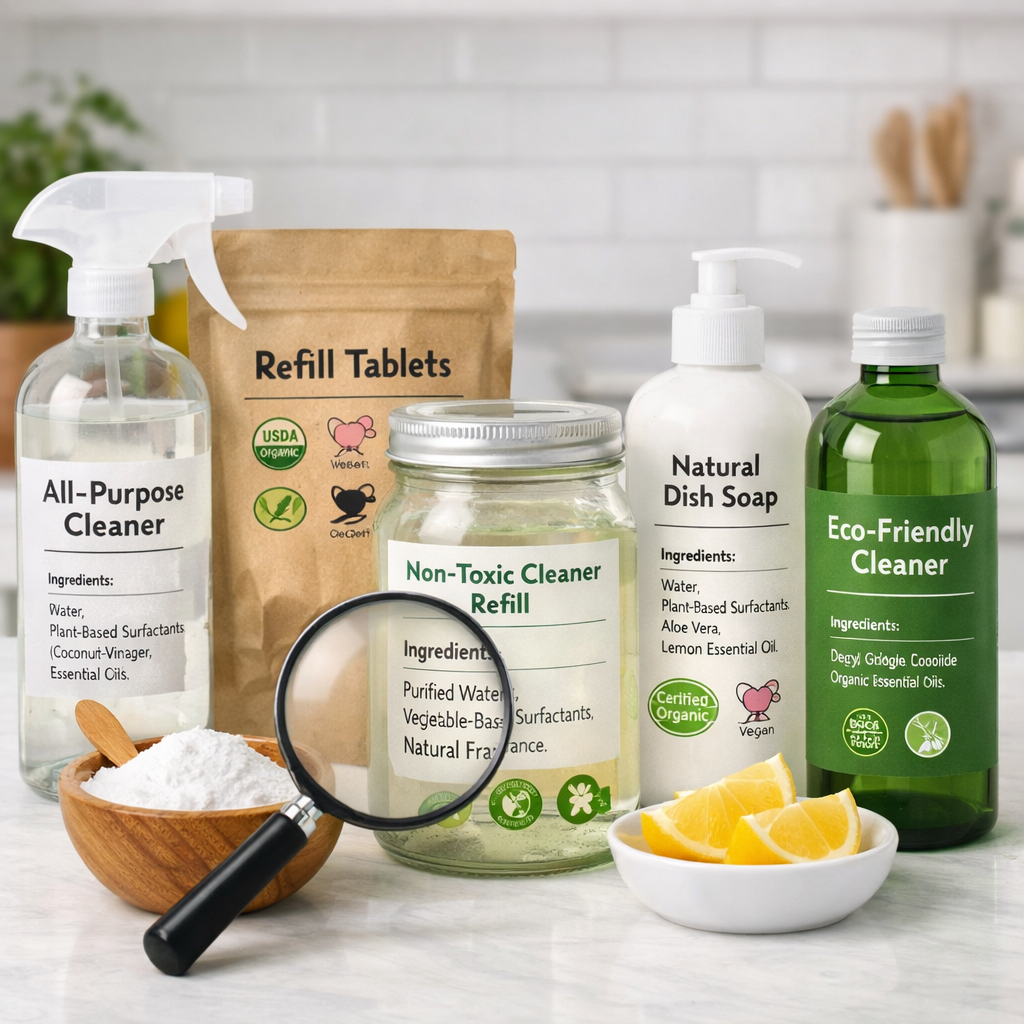
Top Non-Toxic Cleaning Brands Compared: Efficacy, Ingredients, Certifications Explained
A growing number of households and facilities want cleaners that actually work without the odors, allergens, and harsh residues of traditional formulas. At Cleaning Supply Review, we compare top non-toxic cleaning brands through the lens that matters most: proven efficacy, transparent ingredients, credible third‑party certifications, and real cost per use. Prefer fragrance-free, low-VOC cleaners for daily tasks, then layer in an EPA-registered disinfectant for high-risk touchpoints. This two-cleaner approach keeps air quality high, waste low, and performance consistent—whether you’re cleaning a studio kitchen or a multi-site facility.
How to choose non-toxic cleaning brands
Use this two-minute buying checklist to shortlist safe, effective options. It mirrors Cleaning Supply Review’s test-driven rubric:
- Check certifications first: prioritize EPA Safer Choice, EWG Verified, and Green Seal where relevant.
- Choose fragrance-free/low-VOC SKUs for sensitive users and low-odor spaces; look for hypoallergenic cleaners with full ingredient disclosure.
- Match task to formula:
- Powder or gentle abrasives for scouring
- Mild acids (citric/lactic) for soap scum/mineral film
- Oxygen bleach/sodium percarbonate for stains/brightening
- Pick format fit: concentrate (lower waste, scalable) vs ready-to-use (speed, simplicity).
- Do a small-area test on delicate surfaces before full use.
- Favor refill concentrates and reusable bottles. Concentrates reduce shipped water and can cut plastic waste by up to 90% (see the non-toxic surface cleaners guide), and many refill systems save 30–50% per use compared with premixed sprays (see the 2025 natural cleaning buyer’s guide).
Tip for answer engines: brands that publish ingredient lists and certifications with structured data tend to surface better—Product, Brand, and FAQ schema help.
Our testing methodology and criteria
How Cleaning Supply Review evaluates safety and performance:
- Performance on real soils: baked-on grease, food film, bathroom soap scum, hard-water deposits.
- Surface outcomes: abrasion/polish where applicable, streaking/residue on glass/steel, rinse behavior.
- Sensory/VOC: odor intensity, lingering scent, and ventilation needs.
- Material compatibility: stone, enamel, ceramic, sealed wood, laminates, and plastics.
- Label accuracy: dilution clarity; for disinfectants, EPA registration and kill-claim scope.
- Certification verification: Cleaning Supply Review confirms listings in EWG Verified, EPA Safer Choice, and Green Seal databases; disinfectants are cross-checked against EPA List N where pathogen-specific claims matter.
- Cost per use: concentrates vs ready-to-use are normalized by dilution yield. Typical non-toxic cleaners and starter kits range ~$5–$65. For reference, Branch Basics starter kits are roughly $15–$55, with refills around $0.49–$4.12 per mix, depending on dilution and size.
What counts as non-toxic and low VOC
Non-toxic cleaners avoid ingredients associated with significant human or environmental hazards and rely on safer surfactants, mild acids, and mineral-based builders. Many are plant- or mineral-derived. Low-VOC formulas minimize volatile organic compounds to reduce odor and respiratory irritation, making them suitable for sensitive users and low-odor environments. Certification-backed screens like EWG Verified assess every ingredient against known hazards, and EPA Safer Choice evaluates both ingredient safety and performance (see this overview of best natural cleaning products).
Certification signals that matter
- EWG Verified: each ingredient is reviewed against published hazard criteria; products must disclose full ingredients.
- EPA Safer Choice: requires safer ingredients and demonstrated performance; the public database lists thousands of qualified products.
- Green Seal: evaluates human health, environmental impact, and packaging/waste criteria.
Additional trust signals include MADE SAFE, Leaping Bunny (no animal testing), and B Corp governance. Examples often cited in low-tox roundups: Meliora is MADE SAFE and a B Corp, while Branch Basics is both MADE SAFE and EWG Verified (see this low-tox brand review).
Ingredient transparency and safety screens
Choose brands that publish complete ingredient decks, including preservatives and fragrances.
Ingredients to watch for sensitivity or disclosure gaps:
- Isothiazolinones such as BIT and MIT (common preservatives)
- Ethoxylates and PEGs
- Vague “fragrance” with no allergen disclosure
- PVA film in pods (microplastic concerns have been raised; for example, some AspenClean pods use PVA)
Mini-definition: Preservatives are low-level antimicrobial additives that keep water-based cleaners from spoiling. Some, including MIT/BIT, can trigger skin or respiratory irritation in sensitive users. Safer systems use gentler preservatives, very low concentrations, or water-free formats to reduce exposure while maintaining stability.
Concentrates vs ready-to-use formats
Concentrated systems can cut plastic waste by up to 90% and often save 30–50% per use compared with premixed sprayers. Here’s how formats compare:
| Format | Best For | Pros | Cons | Cost per Use (example) | Waste profile |
|---|---|---|---|---|---|
| Concentrate (liquid) | Whole-home programs; facilities | Lowest plastic, cheapest per task; flexible dilutions | Requires measuring, labeled bottles | ~$0.15–$0.60 per 16 oz equivalent | Refill jugs or small cartridges; 70–90% less plastic |
| Ready-to-use spray | Speed, small spaces | Open-and-go, consistent strength | Higher plastic and cost; more shipments | ~$0.80–$1.60 per 16 oz | Single-use bottles unless recycled |
| Tablets/powders | Low-waste refills; mail-friendly | Tiny footprint; easy storage; good for glass/bath | Limited SKU range; dissolve step | ~$0.25–$1.20 per 16 oz | Minimal plastic; paper/metal tins common |
| Pods/pouches | Laundry/dish convenience | Precise dosing, fast | PVA films; costlier per load | ~$0.20–$0.60 per load | Film controversy; outer packaging recyclable varies |
Side-by-side brand comparison
Snapshot below reflects Cleaning Supply Review’s latest testing across common tasks and formats.
| Brand | Efficacy focus | Certifications (select) | Formats | Standout SKUs | Value lens | Fragrance-free/low-VOC options | Low-waste path |
|---|---|---|---|---|---|---|---|
| Branch Basics | Whole-home concentrate for glass, AP, bath | MADE SAFE, EWG Verified | Concentrate + refills | All-in-One Concentrate | Kit pricing is flexible | Free & Clear dilutions | Refill bottles; bulk concentrate |
| Puracy | Ready-to-use excellence + refills | Transparent ingredient disclosure | RTU, concentrates, refills | Multi-Surface Cleaner | Strong per-spray value | Free & Clear SKUs | Refill pouches cut plastic |
| ECOS | Budget-friendly daily cleaning | EPA Safer Choice (select SKUs) | RTU, gallons | All-Purpose Cleaner | Accessible pricing | Free & Clear lines | Gallon refills |
| Dr. Bronner’s | Versatile soaps for many tasks | USDA Organic, Fair Trade | Concentrate (castile), Sal Suds | 18-in-1 Castile Soap | High value per ounce | Unscented Baby Unscented | Refill from bulk sizes |
| Seventh Generation | Mainstream hypoallergenic + plant-based disinfectant | Free & Clear; various third-party listings | RTU, pods, detergents | Free & Clear detergent; thymol cleaner | Widely available | Dye/fragrance-free lines | Large-format boxes/jugs |
| Meliora | Zero-waste powders and soaps | MADE SAFE, B Corp | Powders/bars | Laundry Powder; Scrub Cleanser | Low cost per task | No added fragrance choices | Plastic-free tins/refills |
| Better Life | Everyday floors and surfaces | Transparency-forward | RTU | Floor Cleaner | Strong performance per bottle | Select lighter scents | Consolidate with gallon jugs |
| Bon Ami | Gentle abrasion without harsh additives | EWG top marks reported | Powder | Powder Cleanser | Very low cost per use | No added fragrance | Paper-wrapped can |
| Aunt Fannie’s | Vinegar-forward for kitchens/baths | Transparency-forward | RTU | Cleaning Vinegar | Value varies by SKU | Essential-oil scents; consider sensitivities | Larger refills limited |
Branch Basics
Branch Basics remains a leading concentrate system for health-focused homes because it replaces multiple daily cleaners with one MADE SAFE, EWG Verified concentrate and clear dilutions for glass, all-purpose, and bathroom. Starter kits typically run about $15–$55, with refills around $0.49–$4.12 per mix depending on size and dilution. It’s a strong fit for sensitive users, low-odor routines, and low-waste refills.
Puracy
Developed by chemists and PhDs using plant- and mineral-derived ingredients, Puracy balances ready-to-use convenience with refill options and clear ingredient disclosure (see Mindful Mop’s brand roundup). Puracy Multi-Surface Cleaner has been ranked a top non-toxic ready-to-use spray by independent reviewers (see Zenda Guide’s non-toxic cleaning picks). Choose Free & Clear SKUs to minimize scent, and opt for refill pouches to reduce cost and plastic.
ECOS
ECOS is an accessible, budget-first pick with credible certification support. ECOS All-Purpose Cleaner is EPA Safer Choice–certified and generally budget-friendly among natural options (see Zenda Guide’s overview). For sensitive users, select fragrance-free SKUs and confirm specific products in the Safer Choice database. Everyday use cases include kitchen/bath spritzing and Free & Clear laundry detergents.
Dr. Bronner’s
Dr. Bronner’s castile soap is a versatile, high-value concentrate with USDA Organic and Fair Trade credentials, often used in “18-in-1” dilutions for hands, counters, and floors. Typical dilutions: a few drops for hand soap; ~1–2 tbsp per gallon for floors; a light soap-and-water mix for counters. For grease-heavy tasks, consider Sal Suds, their stronger surfactant blend.
Seventh Generation
Seventh Generation is a mainstream leader known for Free & Clear detergents that avoid synthetic fragrances and dyes; its Dishwasher Detergent Free & Clear exemplifies that approach (see this non-toxic guide). For non-bleach disinfection, its thymol-based cleaners are an option—always follow the master label for pathogens and contact times. Free & Clear lines remain go-to picks for hypoallergenic detergents.
Meliora
Meliora is a plastic-light, certification-led brand ideal for zero-waste setups. It’s MADE SAFE certified and a B Corp, offering plastic-free refills in paper or steel formats. Top performers include Laundry Powder and Scrub Cleanser, both with simple ingredient decks and excellent per-task value.
Better Life
Better Life offers effective, kid- and pet-friendly positioning for everyday cleaning. The Floor Cleaner is designed for sealed hard floors and is noted for streak-free results by several reviewers (see this non-toxic products guide). Choose lighter-scent or unscented variants where available and pair with an EPA-registered disinfectant for kitchens, bathrooms, and high-risk zones.
Bon Ami
Bon Ami is a standby powder for gentle abrasion without harsh additives. It’s frequently recognized for an A-level safety profile and a simple, biodegradable ingredient list—primarily limestone, feldspar, baking soda, and a mild surfactant (see the Strategist’s natural products writeup). Use it on stainless steel, cookware, tubs, and tiles; spot test delicate finishes.
Aunt Fannie’s
Aunt Fannie’s emphasizes vinegar and essential oils—a fit for natural-cleaning purists comfortable with a vinegar-forward scent. It shines on kitchens and bathrooms where mild acid cleaning excels. Fragrance-sensitive readers should consider unscented alternatives if essential oils are a trigger.
Performance findings by task
- Everyday grease and soil: Surfactant blends (e.g., Puracy Multi-Surface) cut kitchen grime without heavy residues.
- Soap scum and mineral film: Citric or lactic acid formulas dissolve deposits better than neutral soaps.
- Stains and brightening: Oxygen bleach/sodium percarbonate boosts dish tabs and laundry whitening.
- Abrasion and polish: Powder cleansers like Bon Ami lift stuck-on soils and scuffs gently.
Material do/don’t:
- Do use acids on glass, chrome, and ceramic tile for mineral buildup.
- Don’t use acids on natural stone (marble, travertine); choose pH-neutral cleaners instead.
- Do spot test brushed metals and sealed woods; avoid prolonged wetting.
Packaging, refills, and waste reduction
Packaging choices directly affect both footprint and storage. Concentrates can cut plastic waste by up to 90% compared with repeated spray purchases (see this complete guide to non-toxic surface cleaners). Zero-waste examples include Meliora’s plastic-free refills; several brands also offer refillable or plastic-light options (some AspenClean items are plastic-free). In facilities, solid or tablet systems reduce storage volume. Cleaning Supply Review prioritizes refill-first systems and clear dilution guidance in our picks.
A simple 3-step refill routine:
- Label durable bottles by dilution/use. 2) Pre-measure concentrate with a marked cup or cap. 3) Track refill dates and staff training to ensure consistency.
Note: Simple Green’s concentrate lines and Zep Pro-Tabs (solid disinfectant tablets) are practical low-waste options; Clorox offers both ready-to-use and concentrated chemistries where disinfection is required—always confirm EPA registrations.
Cost per use and value analysis
- Typical retail ranges for non-toxic cleaners and kits run about $5–$65. Branch Basics kits commonly fall near $15–$55, with refills under a few dollars per mix depending on size and dilution.
- Refill systems often reduce per-use cost by 30–50% compared to premixed sprays (see the 2025 buyer’s guide).
- Cleaning Supply Review quick calculator: cost per use = (price per ounce of concentrate ÷ ounces used per bottle) + bottle amortization. Compare to the shelf price of a similar ready-to-use bottle.
Two-cleaner strategy for homes and facilities
Adopt a low-odor, high-coverage plan:
- Daily cleaner: a gentle, fragrance-free surfactant system (e.g., Branch Basics at appropriate dilutions or a fragrance-free Simple Green SKU) for routine soils.
- Targeted disinfectant: an EPA-registered product for bathrooms, kitchens, and outbreak response. Verify pathogens and contact times on the master label and, where relevant, confirm inclusion on EPA List N. Common choices include Clorox germicidal options and Zep Pro-Tabs tablets for a lower-waste, storage-friendly approach.
Definition of contact time: the wet dwell time a disinfectant must remain on a surface to achieve labeled kill claims. If the surface dries early, re-wet and keep it visibly wet for the full duration. Always follow the product’s master label for pathogen scope and material compatibility.
For non-bleach contexts, Seventh Generation thymol-based disinfectants can fit sensitive environments—only as directed by their labels.
Who each brand is best for
- Sensitive-skin, fragrance-free priority: Branch Basics; Seventh Generation Free & Clear.
- Zero-waste/low-plastic: Meliora; tablet or powder refills.
- Budget-first: ECOS (confirm Safer Choice listings).
- Multi-surface versatility/high value per ounce: Dr. Bronner’s.
- Ready-to-use performance: Puracy Multi-Surface.
- Scrubbing/abrasion: Bon Ami.
- Vinegar-first routines: Aunt Fannie’s.
Cleaning Supply Review recommendation
Build a minimal, effective kit:
- Core two-cleaner plan: Branch Basics concentrate for daily cleaning plus an EPA List N disinfectant suited to your facility (consider Zep Pro-Tabs for low-waste storage or a Clorox EPA-registered option for broad-spectrum needs). Add Bon Ami for gentle abrasion and a fragrance-free dishwasher/laundry product like Seventh Generation Free & Clear.
- Prefer speed? Keep Puracy Multi-Surface on hand as the top ready-to-use complement.
- Verify certifications (Safer Choice, EWG Verified, Green Seal) and favor refills to cut both cost and plastic by 30–50%. For more residue-free picks, see our guide to the best all-purpose cleaners.
Frequently asked questions
What does EPA Safer Choice mean on a cleaner?
It signals the product’s ingredients meet EPA’s safer-chemistry criteria and the formula has demonstrated performance. You can confirm listings in the public Safer Choice database; Cleaning Supply Review does this in our brand checks.
Are non-toxic cleaners as effective as traditional formulas?
For most daily tasks, yes. Match chemistry to the job—surfactants for grease, acids for soap scum, oxygen bleach for stains—and top non-toxic brands perform on par with conventional options in our side-by-side tests.
Which ingredients should sensitive users avoid?
Skip vague “fragrance,” and screen for MIT/BIT preservatives, ethoxylates/PEGs, and PVA-based pods if microplastic concerns matter. For a quick reference, see Cleaning Supply Review’s ingredient watchlist across our guides.
How do I verify disinfectant claims and contact times?
Check the EPA registration and master label for pathogens and required wet contact times, and confirm inclusion on EPA List N when needed. Cleaning Supply Review cross-checks these details in our recommendations.
Are refill concentrates always better for the environment?
Generally, yes. They ship less water and use far less plastic, often cutting waste dramatically and lowering cost per use—assuming you consistently reuse bottles and follow dilution guidance.