Who Makes Best Cold-Water Dissolving PVOH Films for Packets?
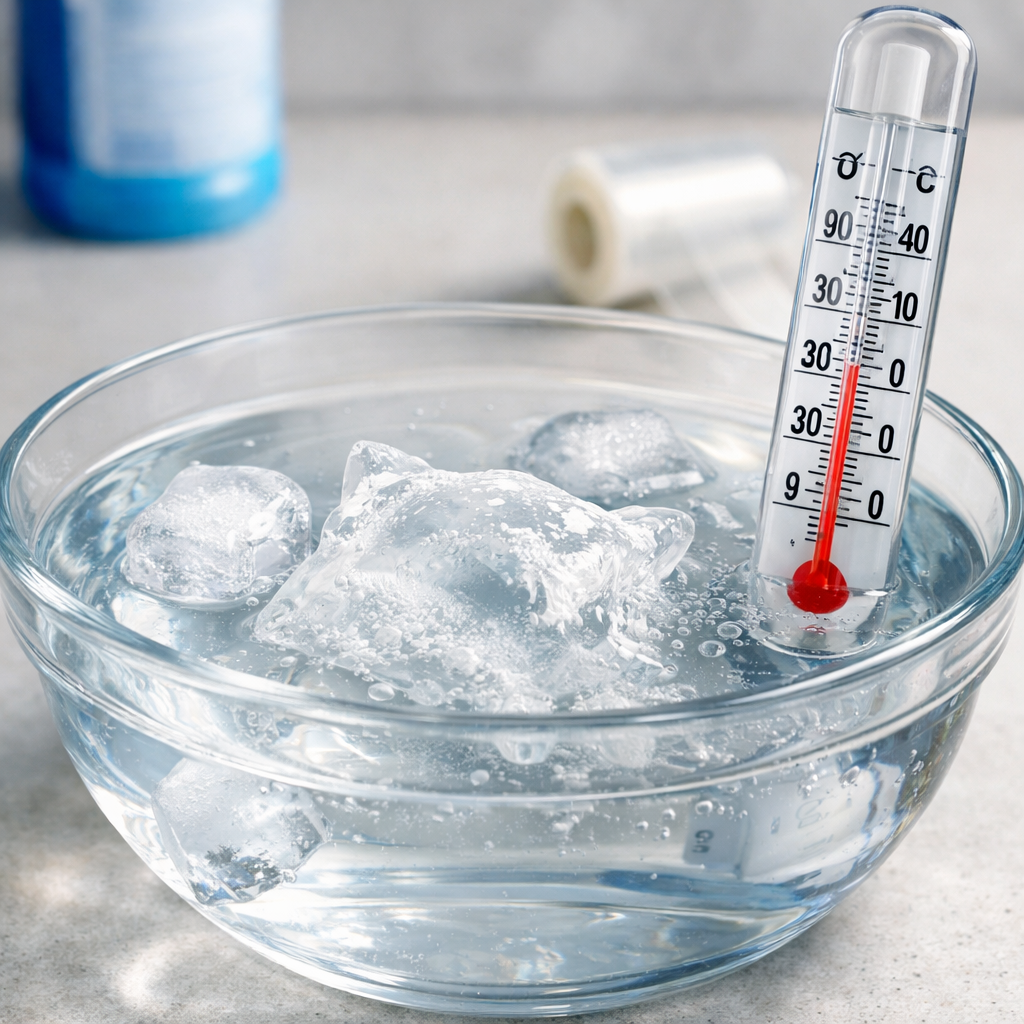
Who Makes Best Cold-Water Dissolving PVOH Films for Packets?
Strategic Overview
If you’re selecting the best cold-water dissolving PVOH film for unit-dose packets, there’s no single winner—performance hinges on your formula, coldest use temperature, dispensing dynamics, handling environment, and documentation needs. At Cleaning Supply Review, we independently test films under cold‑water, quick‑cycle conditions to ground the guidance below. Polyvinyl alcohol (PVOH) film is a water‑soluble packaging substrate designed for unit-dose pods whose solubility can be tuned via polymer grade, degree of hydrolysis, thickness, and additives; real-world outcomes vary with temperature, agitation, and compatibility with the fill PVOH film overview and Water‑Soluble Film FAQ.
Market leaders emphasize different trade‑offs: MonoSol (Kuraray) anchors proven, brand‑critical unit‑dose performance; POLYVA publishes cost‑competitive cold‑water data; Sekisui, Wacker, and Hydromer support tailored or regulated needs; and some brands test “plastic‑free” alternatives such as PureNil for sustainability positioning. For our test-led approach to unit-dose pods and how to verify efficacy, see our methodology: how we test unit‑dose pods and verify efficacy.
How to evaluate cold-water PVOH films
Start by matching film grade to your formula, coldest inlet temperature, dispensing method, and budget, then confirm with pilots under real use. Cold-water-soluble films are engineered to dissolve at low temperatures; hot‑water grades often need >40°C to perform properly—choose the grade that matches your coldest intended use to avoid residue Types of water‑soluble films. Cleaning Supply Review uses this match‑then‑validate flow to avoid surprises in field use.
Primary drivers of dissolution speed:
- Temperature and agitation strongly influence disintegration and full dissolution times.
- Film thickness and degree of hydrolysis shape cold‑water behavior; lower hydrolysis and copolymer content generally aid low‑temp solubility PVOH film overview.
- Additives and plasticizers, plus compatibility with your surfactants/solvents/enzymes, can accelerate or impede film breakup Water‑Soluble Film FAQ.
Checklist for qualification:
- Define target disintegration and full dissolution times at the coldest realistic inlet temperature.
- Set residue thresholds on fabrics/dishes and in traps; document acceptable visual and mass‑based limits.
- Require compatibility screens against your surfactant/solvent systems and enzymes before line trials.
Key selection criteria for packet shells
Prioritize the specs vendors can document and you can verify:
- Solubility profile across a temperature curve: degree of hydrolysis and copolymer content guide cold‑water performance; confirm with temperature–time data PVOH film overview.
- Mechanical properties at target humidity: tensile/elongation and a clear sealing window determine line robustness and reject rates.
- Storage/handling sensitivity: control RH from warehouse to line; moisture shifts film mechanics and sealing behavior Water‑Soluble Film FAQ.
Barrier note: Some water‑soluble films can offer odor/gas barrier features while still permitting moisture transfer; specify if aroma control or fume suppression is needed Types of water‑soluble films.
Test methods to verify dissolution and residue
Use a lab‑to‑field validation flow that reflects actual use. Cleaning Supply Review’s protocols mirror these steps to keep results repeatable and comparable.
- Bench screens: Test at multiple temperatures (e.g., 10–25°C) with standardized agitation. Record disintegration (film rupture/dispersion) and full dissolution (no visible fragments/haze).
- Compatibility jars: Store actual fills in sealed film pouches; monitor haze, gelation, or seam stress‑cracking over time.
- Appliance/dispenser simulations: Replicate quick cycles and low‑temp scenarios; document residue on textiles, dishware, and in traps.
Data to request from vendors:
- Temperature/time dissolution curves; mechanicals and sealing windows at specified RH; and humidity conditioning guidance Water‑Soluble Film FAQ.
- For new launches, pilot rolls and joint validation with your actual formulation and dispensing setup are standard practice PVA film market analysis.
MonoSol
Kuraray’s MonoSol set the benchmark for consumer unit‑dose films and is widely credited with enabling laundry and dish pod formats for leading brands. The company highlights “complete dissolution on contact with water” alongside biodegradability and non‑persistence statements for its films Kuraray water‑soluble PVOH film.
Strengths and use cases
- Proven unit‑dose reliability in laundry and dish pods, backed by deep R&D and technical support; a default choice when brand risk is high.
- Strong option for cold‑water targets requiring tight tolerances, global supply, and well‑developed documentation.
- Suitable for regulated or certification‑focused launches needing robust environmental and safety narratives.
Considerations and validation data to request
- Temperature–dissolution curves, storage humidity guidance, and sealing parameters—especially under low‑VOC or narrow sealing windows Water‑Soluble Film FAQ.
- Environmental and recyclability position statements tied to biodegradability and fate claims Kuraray water‑soluble PVOH film.
- Pilot film rolls for line trials at your coldest inlet temperatures and target cycle times.
POLYVA
POLYVA is a cost‑competitive cold‑water specialist known for sharing granular specifications that speed vendor qualification. For example, its L0800 series at 75 µm shows lab disintegration around 20–25 seconds and full dissolution about 40–55 seconds at 23°C and 50% RH with standard agitation; reported tensile is 30–50 MPa with 400–550% elongation POLYVA cold‑water specs.
Strengths and use cases
- L0200 targets laundry pods with improved weather resistance for humid environments; L0800 emphasizes broad formula compatibility.
- Transparent lab data aids initial screening for cold‑water dissolution and mechanical robustness.
- Good fit for private label/value‑tier consumer pods and institutional packets where budget and speed to qualify matter.
Considerations and validation data to request
- Temperature‑dependent curves below 23°C, quick‑cycle appliance simulations, and residue checks on textiles/dishware.
- Humidity‑conditioned mechanicals and sealing data, plus storage RH protocols Water‑Soluble Film FAQ.
- Compatibility matrices for enzymes, solvents, high‑alkali or oxidizing systems.
Sekisui
Sekisui is a specialty PVA supplier among global leaders, frequently cited in market and competitive landscapes, and well‑suited to tailored solubility and barrier packages PVA film market analysis and Top PVA film companies.
Strengths and use cases
- Engineered grades when projects demand unique handling, barrier control, or challenging logistics.
- Ideal for programs requiring comprehensive documentation, regulatory engagement, and multi‑region supply continuity.
Considerations and validation data to request
- Custom recommendations for low‑temperature dissolution matched to your agitation profile Types of water‑soluble films.
- Odor/gas barrier targets vs moisture transmission trade‑offs Types of water‑soluble films.
- Full humidity storage and shelf‑life studies, including sealed pack RH monitoring Water‑Soluble Film FAQ.
Wacker
Wacker is among notable PVA producers and offers application engineering to tune film chemistry for packet performance, including cold‑water dissolution and sealing windows Top PVA film companies.
Strengths and use cases
- Access to specialty formulations with collaborative tech service to balance solubility, strength, and processing.
- Strong candidate for co‑developed packets targeting precise dissolve times and robust automation.
Considerations and validation data to request
- Guidance on solubility vs degree of hydrolysis aligned to your formulation chemistry PVOH film overview.
- Sealing windows at target line speeds and RH; pilot rolls for appliance‑cycle validation in cold water.
Hydromer
Hydromer serves niche and validated applications, including medical or compliance‑sensitive projects, with customization and documentation support Top PVA film companies.
Strengths and use cases
- Custom formulations and paperwork suited to clinical or regulated environments.
- Small‑batch development for novel packet concepts or sensitive chemistries.
Considerations and validation data to request
- Regulatory documentation packages and biocompatibility as needed.
- Low‑temperature dissolution proofs and residue outcomes on sensitive substrates before scale‑up.
Alternative materials like SmartSolve or PureNil
Some brands explore non‑PVA films to support “plastic‑free” claims while retaining cold‑water dissolution. Supplier marketing for options such as PureNil describes water‑soluble, drain‑safe, plastic‑free performance with no microplastics and potential laundry/dish pod compatibility—promising, but Cleaning Supply Review treats these as verification‑first until independent data support claims Alternatives to PVA.
Strengths and use cases
- Aligns with sustainability messaging and consumer perception around plastic‑free and drain‑safe attributes.
- Potential fit for concept launches emphasizing environmental positioning.
Considerations and validation data to request
- Independent cold‑water dissolution and residue testing under quick‑cycle conditions.
- Compatibility and sealing studies relative to your current PVOH process.
- Wastewater behavior and microplastics verification with third‑party methods.
Side-by-side comparison by performance, handling, and compliance
| Vendor | Cold-water dissolution evidence | Mechanical robustness | Handling/storage guidance (humidity) | Compliance/claims support |
|---|---|---|---|---|
| MonoSol (Kuraray) | Consumer-proven unit-dose; supplier provides curves on request | Application-specific; optimized for automation | Detailed RH and sealing guidance typically provided | Biodegradability/non‑persistence statements |
| POLYVA | Example L0800 75 µm: ~20–25 s disintegration; ~40–55 s dissolution at 23°C, 50% RH | Tensile ~30–50 MPa; elongation ~400–550% | Publishes storage and conditioning parameters | Public spec sheets aid documentation |
| Sekisui | Tailored grades with temperature profiles via tech service | Engineered to target strength vs solubility | Full humidity and shelf‑life studies available | Strong regulatory and regional documentation |
| Wacker | Tunable solubility with application engineering | Specialty formulations for balanced mechanics | Sealing windows and RH conditioning via tech support | Comprehensive technical service packages |
| Hydromer | Validation for niche/regulated uses as specified | Custom builds per clinical/sensitive needs | Controlled storage protocols defined per project | Regulatory and biocompatibility documentation |
| PureNil/SmartSolve (alt) | Supplier‑claimed cold‑water dissolve; requires independent proof | To be confirmed vs PVOH benchmarks | Assess moisture sensitivity and sealing equivalence | Marketing claims; seek third‑party verification |
Pricing, MOQs, and scale-up implications
- Pricing: Expect premiums for benchmark unit‑dose performance and comprehensive documentation; cost‑optimized cold‑water options (e.g., POLYVA) can lower COGS when validated with your formula.
- MOQs and timelines: Negotiate pilot roll quantities and on‑line technical support to accelerate qualification; align lead times with seasonal RH risks.
- Scale‑up risks: Sealing windows shift with humidity and film conditioning; enforce controlled storage, pre‑conditioning to line‑room RH, and on‑line monitoring of seal integrity Water‑Soluble Film FAQ.
Environmental and regulatory considerations for PVOH packet films
Suppliers describe many PVOH films as biodegradable, and some assert non‑persistence and no adverse impact on recycling streams—review these claims and validate where needed Kuraray water‑soluble PVOH film. Procurement increasingly favors precisely controlled solubility with proven safety, performance, and compliance documentation PVA film market analysis. Research continues on PVA/starch blends and other chemistries to enhance biodegradability and environmental fate, which may influence future choices Recent research on PVA/starch blends. Cleaning Supply Review prioritizes standardized methods aligned to your end‑of‑life scenario when assessing these claims.
Biodegradability (definition): It is the capacity of a material to be broken down by microorganisms into water, biomass, and benign byproducts under defined conditions. For films, rates depend on composition, environmental medium (wastewater, soil, marine), temperature, and time; confirm claims with standardized tests and supplier data.
Our recommendation by application and budget
These picks reflect reported data and practical validation needs we see in Cleaning Supply Review testing.
- High‑volume consumer pods with brand risk: Prioritize MonoSol/Kuraray for proven unit‑dose performance and documentation; pilot to confirm disintegration and dissolution at your coldest inlet range Kuraray water‑soluble PVOH film.
- Value‑focused or private label: Screen POLYVA cold‑water grades using its 23°C benchmarks as a baseline; validate below 23°C and in quick cycles POLYVA cold‑water specs.
- Specialty/regulatory projects: Consider Sekisui/Wacker/Hydromer for tailored grades and compliance support; specify humidity handling, sealing, and barrier needs up front PVA film market analysis.
- Sustainability‑led concepts: Test alternative materials like PureNil with independent dissolution, residue, and wastewater assessments before making claims Alternatives to PVA.
Pilot plan:
- Define pass/fail criteria: disintegration ≤30 s; full dissolution ≤60 s at your coldest feasible inlet temperature.
- Run humidity‑conditioned line trials plus appliance simulations reflecting quick cycles.
- Document residue outcomes and preliminary wastewater behavior.
Frequently asked questions
What affects how fast a PVOH film dissolves in cold water?
Temperature, agitation, film thickness, polymer grade, and additives drive dissolution; compatibility with your packet fill also matters. Cleaning Supply Review recommends matching grade and thickness to your coldest use case to avoid slow dissolve.
How can I prevent residue or incomplete dissolution in real use?
Choose a cold‑water grade validated at your inlet temperature, avoid overloading, and test with your exact formula and cycle. Cleaning Supply Review advises verifying both disintegration and full dissolution times under quick‑cycle, low‑temp conditions.
Are PVOH films biodegradable and safe for wastewater systems?
Many PVOH films are described as biodegradable, and leading suppliers publish environmental statements. Confirm with standardized tests; Cleaning Supply Review favors third‑party data aligned to your wastewater conditions.
What data should I request from suppliers before pilot trials?
Ask for temperature–time curves, tensile/elongation at relevant RH, sealing windows, storage RH guidance, and environmental/compliance documentation. Then run pilots with your actual formulation and dispensing setup; Cleaning Supply Review’s protocol follows this flow.
How should I store and handle PVOH films to protect performance?
Control storage humidity and temperature because moisture shifts mechanics and sealing. Keep films sealed, condition to line‑room RH before use, and follow the supplier’s recommended sealing parameters; this is the handling baseline we use at Cleaning Supply Review.